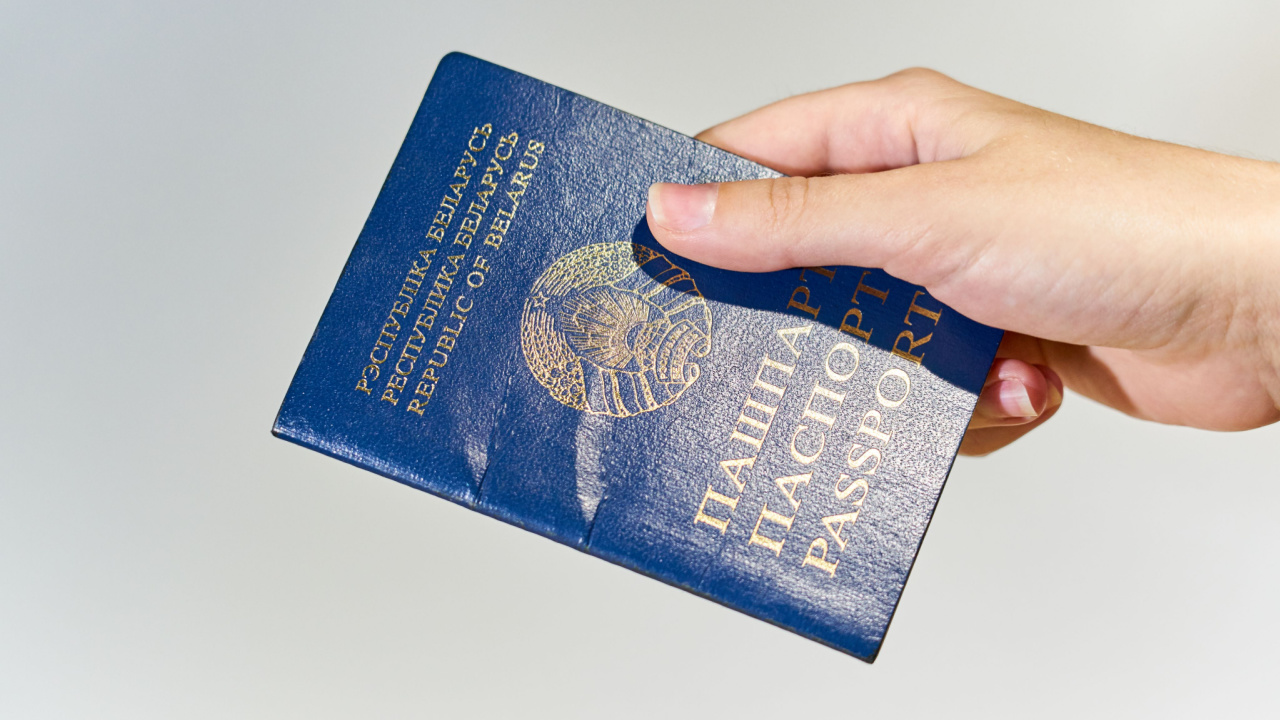
Anti-government hackers have attempted to sell what they say is an NFT of Belarus President Alexander Lukashenko’s passport. The members of the ‘Belarusian Cyber Partisans’ collective claim to have obtained the passport data of all of the country’s citizens.
Cyber Guerrillas in Belarus Want to Opensea Their NFT Passport Collection
A hacking group known as ‘Belarusian Cyber Partisans’ have bragged about gaining access to a government database storing the passport details of every citizen of Belarus, including high-ranking officials like the country’s long-term head of state, Alexander Lukashenko.
The hackers have released a collection of non-fungible tokens (NFTs) called “Passports of Belarusians,” which also is said to contain the passport data of the country’s president and his close associates. Further, the group tried to post the collection on the leading NFT platform Opensea but was denied as it violated its terms.
?1/3?For the 1st time in human history a #hacktivist collective obtained passport info of the ALL country’s citizens. Now we’re offering you an opportunity to become a part of this history ?. Get a unique digital version of #lukashenka passport as #NFT https://t.co/gOlWdoUehi pic.twitter.com/RxdWpBqA8f
— Belarusian Cyber-Partisans (@cpartisans) August 30, 2022
Promoting their initiative on Twitter, the group noted it’s launching the NFTs exactly on Lukashenko’s birthday, Aug. 30. “Help us ruin it for him,” they urge followers while also suggesting a “special offer” — to buy a version of his passport with a photo of “the dictator… behind the bars… while he’s still alive.”
In another tweet, the hacktivist collective says it has also put the passports of Lukashenko’s closest allies “and traitors of the people of Belarus and Ukraine” up for sale. Its members promise that all raised funds will go to support “our work in hitting bloody regimes in Minsk & Moscow.”
The report by Bits.media, a Russian news site about crypto, says that some crypto enthusiasts have doubted their authenticity. It points to a typo on the first page depicted in the digital version of Lukashenko’s passport and a misspelling of his first name in English.
‘Belarusian Cyber Partisans’ has been targeting the Lukashenko-led administration of the Eastern European nation for its support — logistical and otherwise — of Russia’s invasion of neighboring Ukraine. It demanded the withdrawal of Russian troops and took over responsibility for cyberattacks on Belarus’s railroad network.
This hacking group is raising cryptocurrency funds to fund its operations. According to a report by blockchain analytics firm Elliptic published in early February, before Russia launched its “special military operation” in Ukraine, the Belarusian cyber guerrillas had been able to collect $84,000 in BTC in the preceding six months.
Do you think the NFT offered by the Belarusian hackers represents President Lukashenko’s real passport? Leave a comment below.

Images Credits: Shutterstock, Pixabay, Wiki Commons, mmaroznaya
DisclaimerThis information is provided for educational purposes only. It does not constitute an offer, solicitation, or recommendation of products or services. Bitcoin.com is not a provider of investment, tax, legal or accounting advice. The author and the company are not responsible for any loss or damage caused by the content or use of any goods, services, or information mentioned in the article.


