Ever thought about a digital currency that you could trust as much as your bank? Stablecoins aim to do just that. They are backed one-for-one with U.S. dollars or short-term Treasury bills, which means they work a lot like putting money into a safe, solid bank account.
New rules, like the STABLE Act and GENIUS Act, help clear up the old, confusing mix of guidelines. These changes add a level of clarity and accountability that makes the market feel more secure. In simple terms, this means that the crypto market is becoming as dependable as having cash in your hand.
stablecoin transparency: Radiant Trust and Security

Think of a stablecoin as a promise backed one-for-one by U.S. dollars or Treasury bills that mature in 93 days or less. This clear backing builds the kind of trust that feels as solid as a well-run bank that holds every single dollar for every deposit.
Congress is paving the way for one clear, unified federal framework. On one side, the House introduced the STABLE Act, and on the other, the Senate brought forward the GENIUS Act. Both bills are about making sure that every stablecoin is fully supported by safe, tangible assets. In fact, before these moves, stablecoin rules were like a messy jigsaw puzzle with no clear picture.
State-by-state rules, like those in New York, California, and Arkansas, once covered the market. But those varied standards could lead to confusion and even instability. With the GENIUS Act passing in the Senate by a 66–32 vote on May 20, 2025, and the STABLE Act clearing the House Financial Services Committee with a 32–17 vote on April 2, 2025, a more consistent approach is unfolding.
In truth, this new legislation is all about boosting public accountability in crypto. By clearly showing how stablecoins are backed, it not only makes sure issuers are held responsible but also cuts down on legal worries. For anyone concerned about risks when it comes to legal and solvency issues, this framework is setting a high bar.
So, as you navigate the digital currency world, consider this change a warm safety net. It’s like a breath of fresh air, instilling a sense of radiant trust and security in what could otherwise feel like a wild financial frontier.
Collateral Disclosure and Reserve Backing in Stablecoin Transparency
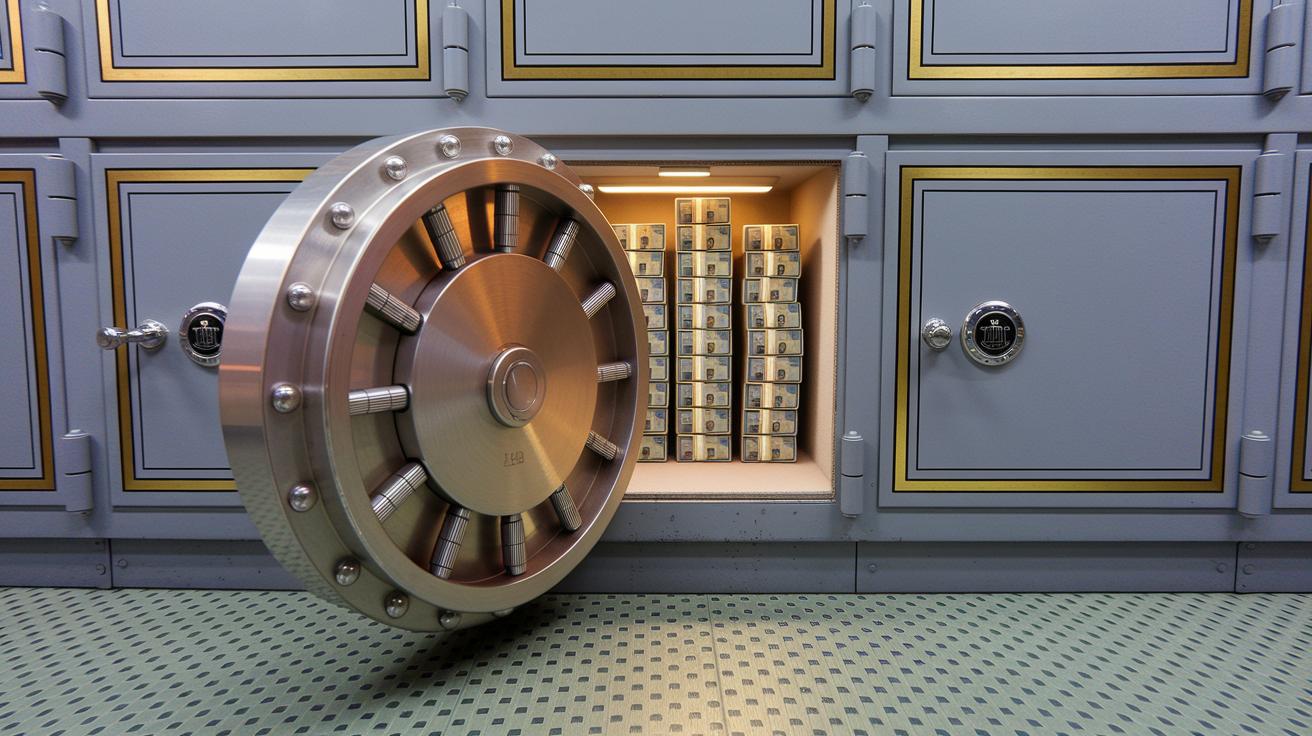
New rules now demand that every stablecoin is fully backed by either U.S. dollars or Treasury bills that mature in 93 days or less. In plain terms, for every stablecoin in circulation, there’s a matching dollar or a short-term Treasury bill kept safe. These assets are stored separately in special accounts and are closely monitored by federal or state banking regulators. Just picture it: it’s like having digital money that’s as secure as cash locked away in a trusted bank vault, with every cent up for public inspection.
Stablecoins also have a unique twist, they can’t earn any interest. This helps keep them purely as digital tokens, not transformed into savings accounts. And if things take a downturn, stablecoin holders are given first priority over nearly all other creditors, ensuring extra protection for token owners when the going gets tough.
Key points include:
- Every stablecoin is backed one-to-one by U.S. currency or short-term Treasury bills.
- Assets are held in separate, regulated custodial accounts.
- Interest payments are not allowed, keeping the tokens straightforward.
- In a financial trouble, stablecoin holders come first among creditors.
These clear-cut measures boost transparency and build trust, giving everyone peace of mind that the reserves behind stablecoins are real, accountable, and closely watched.
Regulatory and Audit Frameworks for Stablecoin Transparency

Stablecoin issuers include FDIC-insured bank subsidiaries, OCC-approved nonbanks, and state-licensed companies, all under clear federal oversight. So, if a company wants to offer digital coins, it must apply directly to the OCC, Federal Reserve, FDIC, or NCUA based on its charter. This unified approach means a single set of rules replaces a confusing mix of state standards, strengthening trust across the industry.
There are strict rules about how customer funds are handled, much like keeping valuables in a secure digital vault. Assets are separated from everyday operating money and closely watched by independent auditors. Regular audits under crypto audit laws ensure that customer funds stay separate and safe from any other business activities.
Regulators have solid tools to keep everything in check. They can revoke registrations, issue cease-and-desist orders, remove key personnel, or even ban someone from the stablecoin market if needed. These measures help maintain strong oversight and ensure that crypto assets are managed with transparency and responsibility.
Additionally, the new bills specifically separate payment stablecoins from traditional securities laws while aligning them with banking oversight. Even though these digital coins share similarities with regular bank deposits, they follow distinct audit procedures and enforcement protocols designed to boost transparency and reduce market risks.
Industry Standards and Best Practices for Stablecoin Transparency

When it comes to digital coins, voluntary guidelines work hand in hand with strict rules to build trust and show clear transparency. Leading issuers are taking extra steps by having independent experts check their reserve balances, and they’re sharing reports that show every stablecoin is backed one-for-one by U.S. dollars or Treasury bills. This extra layer of honesty helps ease worries about money laundering or breaking other important rules.
Independent custodians are also a big part of this picture. They keep the reserves safe and separate from the everyday funds used by companies, so there’s no mix-up. And with open ledger systems, anyone can peek at transactions in real time, imagine a digital window that shows you every step of the stablecoin journey.
Key voluntary measures include:
| Measure | Description |
|---|---|
| Third-party attestations | Independent checks that confirm reserves match issued coins |
| Public reserve reporting | Clear, published reports showing financial backing |
| Independent custodial oversight | Separate management to protect reserves from operational funds |
| Open ledger tracking | Real-time digital records making every transaction visible |
These proactive steps, when used along with official digital coin rules, show that the industry is serious about keeping finance honest and secure. It’s like setting a high bar where everyone, from users to regulators, feels more confident about the market. Have you ever noticed how a little extra openness can change how you see a whole system?
Risks and Loopholes in Current Stablecoin Transparency Measures

Critics worry that weak enforcement can let dishonest players slip through the cracks. Even tiny loopholes in the rules might allow money laundering or help dodge sanctions. Imagine it like a dripping faucet, small leaks that, over time, weaken trust in the whole system.
Different states enforce their own rules, which means each one sets its own audit standards. This patchwork creates what some call regulatory arbitrage, where companies pick the rules that suit them best instead of following a single clear standard. Picture every store in town having a different return policy, it would be pretty confusing.
Another concern is that some proposals leave out required yield-reporting rules. Without these, it’s hard to track exactly where funds go. It’s like visiting a restaurant that doesn’t list its ingredients, you can’t tell if you’re getting the real deal or a watered-down version.
These gaps show that, while stablecoin frameworks aim to boost transparency, their current design might still leave room for risky practices. This could, in turn, chip away at public confidence in digital financial assets.
Emerging Trends and Reforms Shaping Future Stablecoin Transparency

Legislators are stirring up a new era in the stablecoin market. They’re introducing ideas that let banks and other financial players take on fresh roles. Think of it like swapping out old paper checks for modern online transfers, suddenly, your everyday money becomes both smarter and easier to track.
New laws stress that only groups with solid oversight can issue these stablecoins. This move aims to build a stronger and more transparent financial system. Picture a trusted bank offering digital deposits much like a friendly cashier neatly counting coins.
Here’s a quick look at what’s coming:
| Key Change | Description |
|---|---|
| Tokenization Carve-Out | Boosts the tokenization of deposits, inviting more players into the digital money world. |
| Expanded Custody Services | Lets digital assets be managed with the same security as traditional bank deposits. |
| Phased Implementation |
STABLE Act: Effective 12 months after enactment or 120 days after final rules. GENIUS Act: Takes effect 18 months after enactment or 120 days after final rules. |
Legislators hope that careful planning now will lead to a smoother and more reliable digital finance future. Every little step they take is like placing a secure base camp on a mountain climb, each step builds towards a trusted and stable digital financial landscape.
Final Words
in the action, we examined how clear reserve backing and detailed regulatory oversight build trust in crypto markets. We discussed key legislation, specific reporting rules, and independent audits to shed light on issuer accountability.
We also took a look at potential risks and noted emerging trends that could enhance future financial safeguards.
This discussion leaves us with a positive view of rule enforcement and public confidence, all paving the way for robust stablecoin transparency.
FAQ
Stablecoin transparency chart
The stablecoin transparency chart presents reserve details and custody information, showing how issuers maintain clear, verifiable backing and accountability, which helps build market trust.
Stablecoin Transparency and Accountability for a Better Ledger Economy
Stablecoin transparency and accountability means clear disclosure of reserve backing and proper oversight protocols, which contribute to a stronger ledger economy by lowering risks and boosting investor confidence.
What is the most transparent stablecoin?
The most transparent stablecoin fully discloses its one-to-one backing in U.S. currency or Treasury securities, follows strict custodial rules, and adheres to robust regulatory standards for clear public accountability.
What are the 4 types of stablecoins?
The four types of stablecoins include fiat-collateralized, crypto-collateralized, algorithmic, and commodity-backed options, each offering different mechanisms to maintain value stability and meet investor needs.
Did the Stable Act pass?
The Stable Act passed through the House Financial Services Committee and is progressing in the legislative process, reflecting bipartisan support for a unified regulatory framework for stablecoins.
Are stablecoins fully protected?
Stablecoins are supported by measures like one-to-one reserve backing and segregated custodial accounts, with priority claims during insolvency, though some enforcement gaps and varying rules mean full protection is not absolute.


