Is the rise in factory output a sign that our economy might be bouncing back? The industrial production index offers a clear snapshot by using a 2012 baseline of 100 to show how today's production compares. When these numbers climb above that baseline, it might be hinting at a wider economic turnaround. It lays out insights from key sectors like manufacturing, mining, and utilities and even helps investors and policymakers guess what might come next. Its simple yet strong method keeps us all on our toes.
Understanding the Industrial Production Index and Its Role in Economic Analysis
Think of the industrial production index as a simple tool that shows how well key parts of our economy, like factories, mines, and power plants, are doing. It offers a clear view of production changes by comparing today’s performance to a set starting point. For example, if one sector goes up by 2.5%, it signals a positive shift that might hint at a wider economic recovery.
Now, picture this: the index is based on a value of 100 from the year 2012. If a sector scores above 100, it means it's doing better than back then. Say you see a reading of 105; this tells you production is 5% above that base level. It’s an easy way to see improvements or declines without getting lost in complicated numbers.
Policymakers, investors, and economists all keep an eye on this index. Its straightforward format makes it a handy tool for shaping monetary policy and planning investment strategies. Even small changes in the index can offer important clues about where the economy is headed, helping everyone, from decision-makers to everyday people, plan for the future.
How the Industrial Production Index Is Calculated: Methodology and Data Sources
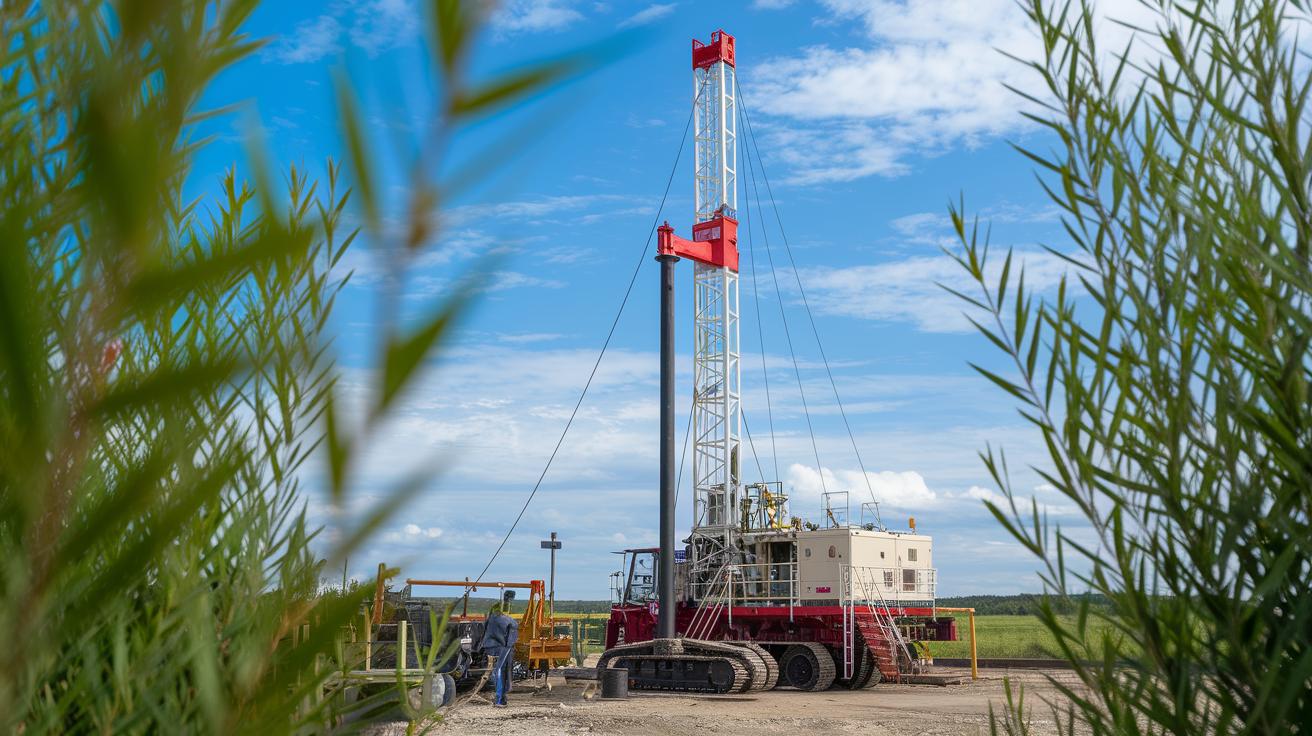
Statistical agencies collect number crunching from industries like manufacturing, mining (that means oil and gas drilling too), and public utilities. They gather all the numbers that tell us how much each sector produces and even what its full capacity might be. Then, they give each piece of data a weight depending on how big that sector is in the overall picture. This helps ensure that bigger sectors have more influence on the final index.
They also look at something called capacity ratios. Basically, this means comparing what is actually being produced to what could be produced if everything was running at its best. So, if a sector is working close to full capacity, it can push the overall index up. Intriguing, isn’t it?
| Calculation Step | Description |
|---|---|
| Data Collection | Collecting detailed production and capacity figures from various industries. |
| Sector Weighting | Assigning weights based on each sector’s share of total output. |
| Normalization | Changing the raw figures into an index using a base value of 100. |
| Capacity Utilization | Comparing actual production with the potential maximum production. |
The base-year evaluation is super important here. Since 2012 is our current base, recent revisions help make sure the index shows up-to-date production methods and changes in the economy. In simple terms, updating the base year makes it easier to compare current trends with how things were in the past.
By sticking to these consistent calculation methods, analysts and policymakers can clearly see shifts in production efficiency and overall economic performance. In truth, this steady approach guides smart investment moves and policy decisions alike.
Interpreting Industrial Production Index Trends: Short-Term Fluctuations and Growth Patterns
When you notice a 2.5% boost in the Industrial Production Index, it points to a strong showing in one or more parts of the economy. This small yet clear figure gives you a quick look at how today's conditions stack up against a set baseline, helping you tell if manufacturing is on the rise or slowing down. A rising index might hint that the economy could be bouncing back, while a fall could mean production is facing some short-term hurdles.
Next, keep these tips in mind:
- Adjust for seasonal changes to smooth out regular ups and downs.
- Look at month-to-month output to spot early trends.
- Review year-over-year growth for a longer view.
- Check historical data to see recurring patterns.
- Remember that even tiny shifts can point to bigger market changes.
- Always verify any revisions in the data to ensure you’re seeing the most current picture.
Connecting these insights with forecasting is all about matching these shifts and seasonal trends to tried-and-true models. Analysts use these patterns to predict what might come next in production and overall economic performance. Being aware of both the immediate changes and the underlying trends is key in figuring out if we’re just seeing a brief surge or the start of longer-term growth. This balanced approach helps investors and policymakers make smarter decisions by tying today’s data to tomorrow’s expectations.
Historical Output Review of the Industrial Production Index: Key Periods and Base-Year Changes

Over the past century, the industrial production index has told a vivid story of our economic ups and downs. When you strip away the seasonal effects, you see clear cycles, from the bustling booms of the early 1900s and the tough days of the Great Depression to the rapid growth after World War II and the slowdown during 2008–09. It’s a bit like watching the steady rhythm of a heartbeat, with manufacturing, mining, and utilities sometimes surging and at other times slowing down. Have you ever noticed how good production days often come when the economy starts to recover, while tougher times hint at challenges before any big market fixes?
Updating the base year, last done in 2012, is a key part of keeping the index sharp. This update is like fine-tuning a well-loved instrument, it helps match the measure to today’s market trends and makes it a lot easier to compare current data with history. In simple terms, these tweaks ensure the index remains a trusted guide for seeing year-to-year growth and major shifts in industrial activity. And that reliable insight is what helps policymakers and investors understand the long-term trends fueling economic optimism.
Comparing Global Industrial Production Index Metrics Across Major Economies
Different regions gather production data from various sources, and that shapes how the numbers tell the economic story. For instance, Eurostat pulls together manufacturing data from across European industries. Meanwhile, the World Bank includes figures from emerging markets along with big players like the United States. Each organization picks its own base year and uses unique definitions for production, which means they weigh sectors and measure output in their own way. Even in places like India, local groups fine-tune methods to match regional industry trends. It really pays to remember these differences when you're comparing numbers from one country to another.
Think about it like comparing apples and oranges sometimes. The U.S. index might use a different starting year than its European counterpart, so understanding that base year matters can be key when you look at trends. And then you add in currency shifts and local economic conditions, and it gets even trickier. That's why examining past output and annual manufacturing details helps make better sense of what these figures really mean. By keeping these different methods in mind, you can get a clearer, balanced view of how fast each economy is bouncing back and performing.
Using the Industrial Production Index for Economic Forecasting and Policy Decisions
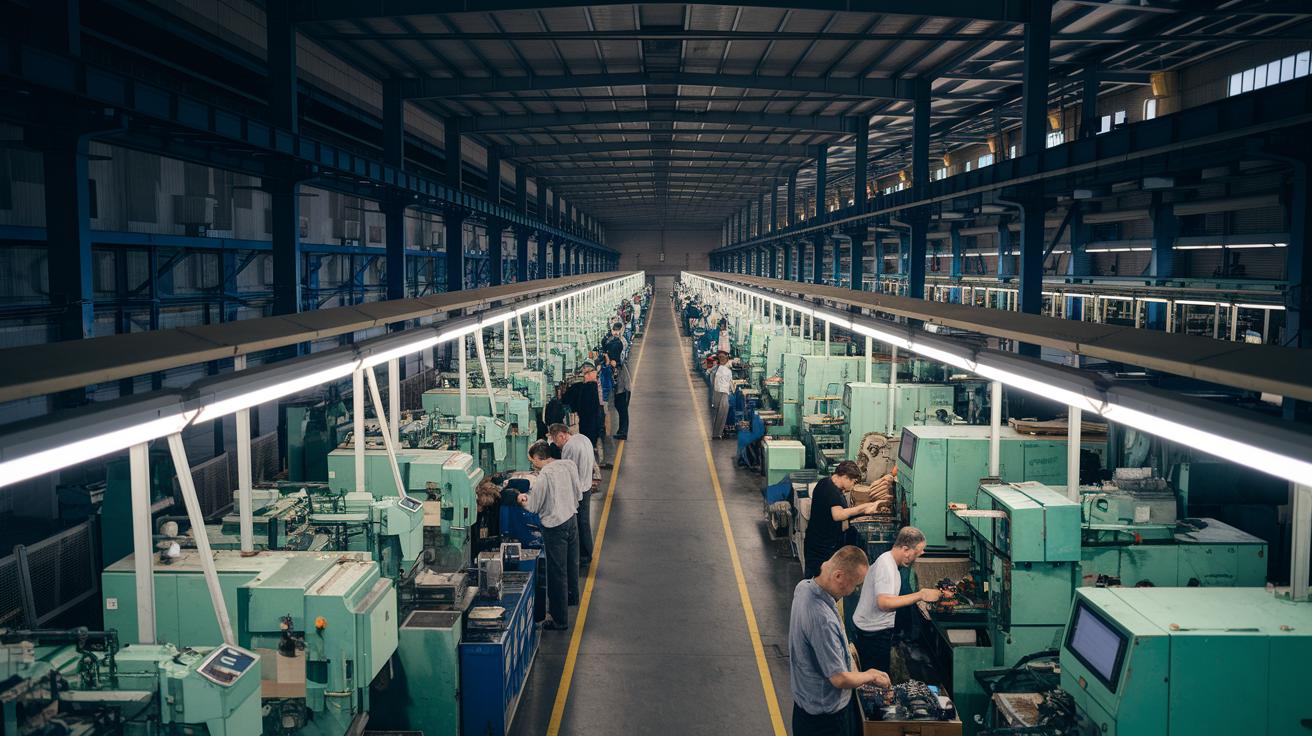
Economists and investors use the industrial production index as a key piece in their short-term economic forecasts. This index is a vital part of estimating GDP and planning capacity. Think of it like a coach watching a player during practice – each new data point helps shape the next move. Models such as ARIMA and VAR look at changes from month to month, almost like checking the pulse of an economy in real time. These models help experts notice how quickly manufacturing picks up or how energy production shifts, giving us a clearer picture of overall economic trends.
Forecasting always has some uncertainty, which is why analysts compare error margins in these models to guide policy and investment decisions. When the index shows a tiny dip or a small surge, decision-makers use these signals to decide if growth is steady or if there’s a need for caution. It’s a bit like watching a traffic light – even a small shift can tell you if it’s safe to cross. By carefully analyzing these trends, both policymakers and investors can adjust their plans quickly to match the subtle yet powerful changes in industrial performance.
Interpreting Sub-Indices in the Industrial Production Index: A Manufacturing Sector Focus
When you break down the industrial production index, you uncover a set of smaller parts that show the inner workings of different industries. Think of it like a well-organized toolbox where every tool has its own job, from residential gas and ice cream to pig iron, audio equipment, and paper. Each sub-index carries a weight that mirrors its contribution to the overall output. Looking at these numbers offers clues about production capacity and where bottlenecks might occur.
Automotive Manufacturing:
The automotive manufacturing segment plays a big role because of its large share in total output. Recent numbers hint at a small but steady rise in production, and capacity is being used well. This steady pace shows that the sector is performing strongly, without hitting full capacity, making it a key player in overall industrial performance.
Utility Services:
Utility services are another vital part, representing the backbone of everyday operations. Over the past year, this area has experienced moderate growth, though there's a noticeable gap in capacity use. That gap suggests there’s a lot of untapped potential waiting to be unlocked, which could further boost performance if utilized.
High-Tech Equipment:
The high-tech equipment segment, while smaller in size, is one of the fastest growing. Recent figures show that production is accelerating with an optimistic outlook for capacity use. This quick pace indicates a bright future for the innovation-driven side of industrial production, proving that even smaller components can drive big changes.
Final Words
In the action, this article led us through the industrial production index and its role in calculating output across manufacturing, mining, and utilities. We explored how data collection, index normalization, and sector-specific trends paint a clear picture for economic forecasting. The blog even touched on global comparisons and the impact of base-year revisions. Every section reminds us that paying close attention to solid data can guide smart financial moves. Here's to embracing these insights and moving ahead with positivity.
FAQ
What is the industrial production index?
The industrial production index is a measure showing output changes in manufacturing, mining, and utilities relative to a base year. It provides insight into sector activity and overall economic performance.
What does the industrial production index formula involve?
The industrial production index formula involves combining detailed output data weighted by each sector’s share, normalized to a base value of 100. This method efficiently tracks output changes over time.
How do global organizations like the World Bank present industrial production indices?
Global organizations offer industrial production indices that reflect national or regional trends in manufacturing and utilities. They help compare production data across different countries, including Europe and emerging markets.
How is the industrial production index forecasted?
Industrial production index forecasts use statistical models that blend past output trends, seasonal factors, and economic indicators to predict future changes, aiding investors and policymakers in decision-making.
What is the significance of the industrial production index in economic analysis?
The industrial production index is significant because it helps track current sector output, guides policy decisions, and serves as an economic health indicator for manufacturing, mining, and utility sectors.
What is the current status of industrial production?
The current status is determined by recent output trends in key sectors like manufacturing and mining, offering a timely snapshot that informs short-term economic outlooks and investment strategies.
How is the industrial production index tracked over different years?
Tracking over the years compares current outputs to a fixed base year, such as 2012, revealing long-term trends and structural shifts within industrial sectors.


