Ever wonder how one street can shape an entire city? In Lower Manhattan, Wall Street buzzes with life as historic landmarks mingle with modern offices. Spread over eight busy blocks near Battery Park, this area reflects how America has grown and how fast business can change. In this piece, we’ll peel back the layers of Wall Street to show why its mix of classic charm and modern vibe still fuels New York City’s energy.
Where Wall Street Located: Thriving NYC Scene
Wall Street runs right through Lower Manhattan’s busy Financial District. Stretching about eight city blocks, it lies just north of Battery Park and sits west of the Staten Island Ferry terminal. This street is the lifeblood of Manhattan's business scene and anchors a neighborhood where modern corporate headquarters stand side-by-side with historic landmarks that whisper the story of America's financial roots. Have you ever noticed how a piece of history can make the present even more fascinating?
Walking along Wall Street feels like taking a stroll through time. You see modern buildings that have grown and adapted as the city's skyline changes, yet they still hold firm to age-old traditions. And with close-by spots like Battery Park, you get a delightful mix of city energy and a touch of nature. Simply put, every step along this famous street tells a story of progress, history, and a unique blend of old and new.
Boundaries and Surroundings of the Wall Street Area
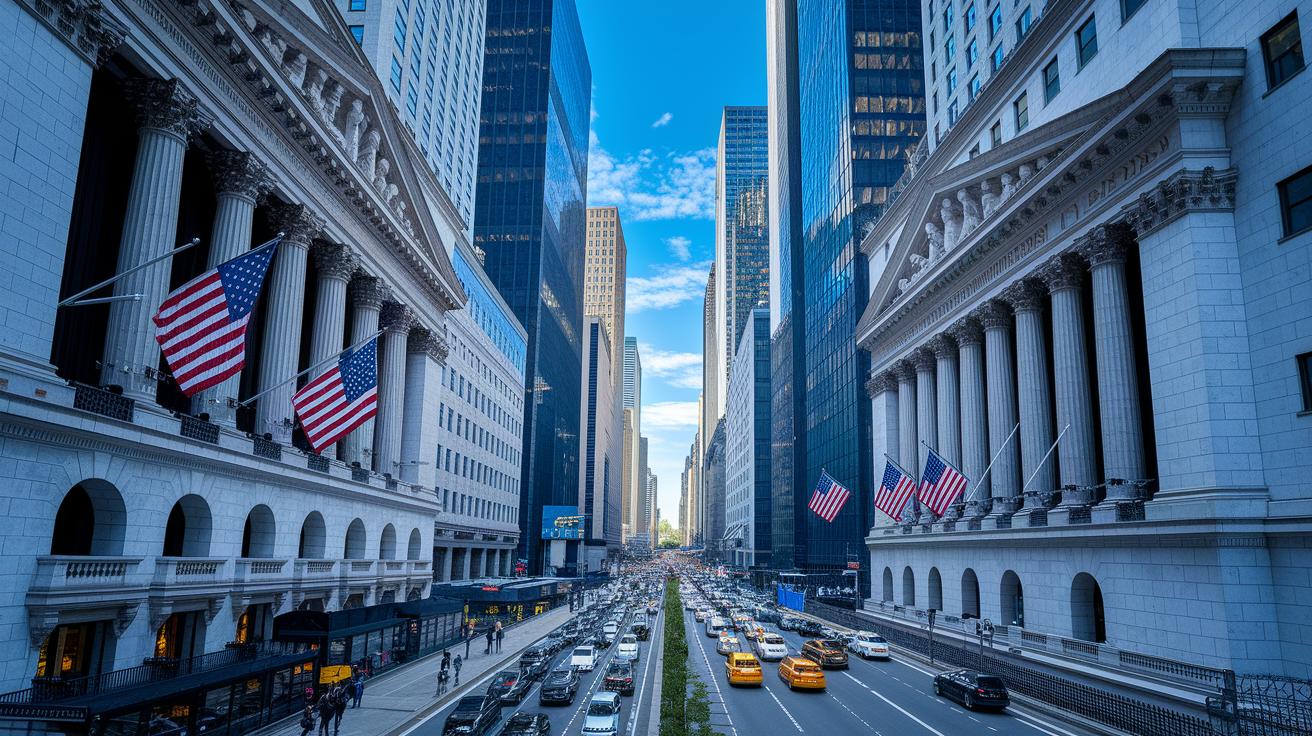
Wall Street stretches from Broadway on the west to South Street by the East River, crossing notable streets like Nassau, William, and Broad. This defined line isn’t just an address, it's the core of New York’s vibrant finance scene, where modern powerhouses like Goldman Sachs and Oppenheimer sit side by side with charming hints of history.
Around this area, the Financial District mixes busy business vibes with cozy residential spots. Tiny lanes reveal the old-world charm through landmarks like Stone Street and Bowling Green Park, inviting you to pause and take it all in. Have you ever taken a walk here and felt like you were exploring living history? The blend of energetic trade centers and quiet neighborhoods creates an atmosphere that keeps both locals and visitors coming back.
Transit Access to Wall Street in Lower Manhattan
Getting to Wall Street is easier than you might think. A bunch of subway lines connect you to this iconic area. For example, the 4 and 5 trains stop right at Wall Street station on Broadway, while the 2 and 3 trains drop you off at another Wall Street station on William St. And if you prefer the J or Z, they stop at the Broad St station. Even the R and W lines have you covered, stopping at Cortlandt St. Each station weaves together different parts of New York City and guides you directly into this historic financial hub.
There are plenty of bus routes too. The M15 and M20 buses run frequently, making it super convenient for anyone wanting to soak in more of downtown NYC. Walking is another great option. From spots like Fulton St or South Ferry, a quick walk of under ten minutes can take you straight into the heart of the financial district.
So whether you’re hopping off a train, catching a bus, or enjoying a stroll, accessing Wall Street is a breeze. It’s not just a local hotspot, it’s a must-see destination for visitors who want to feel the energy of New York’s financial scene up close.
Iconic Wall Street Landmarks and Addresses
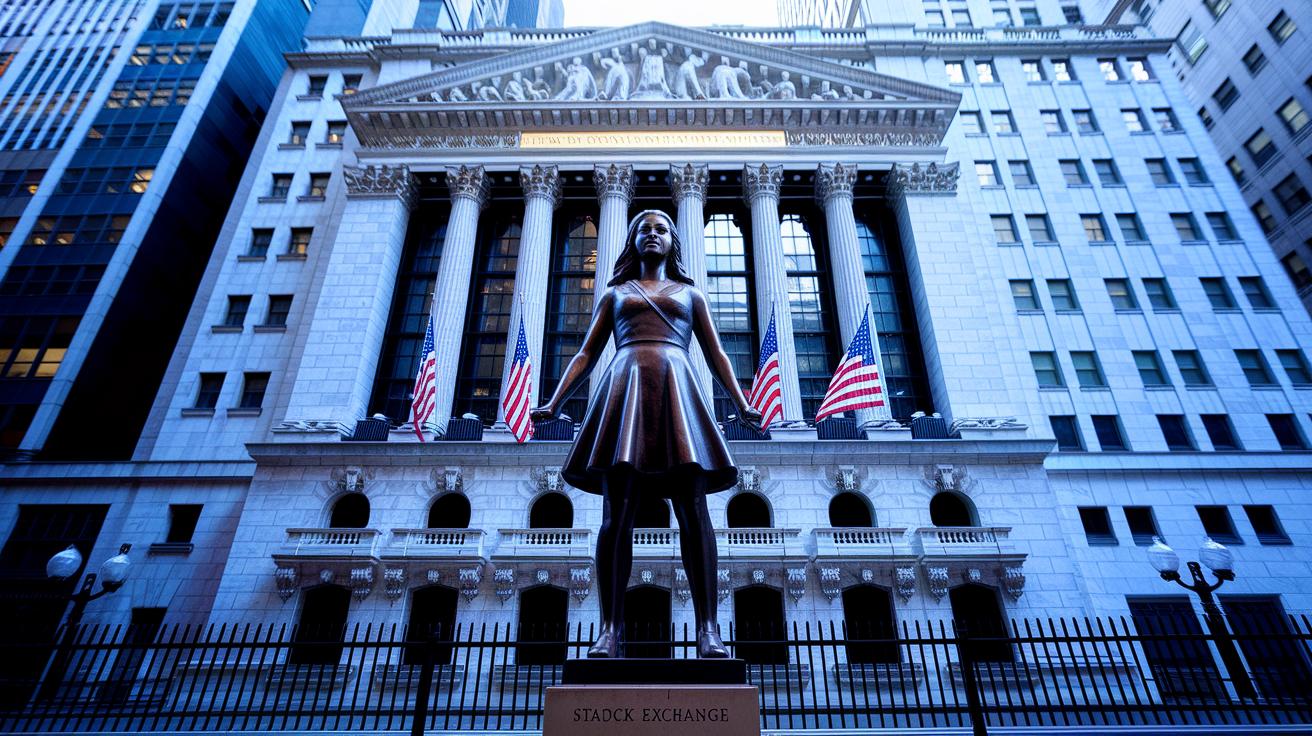
Wall Street isn’t just a hub of finance, it’s a lively corridor filled with history and echoes of America’s past. As you wander along, every step feels like flipping through a history book. Take the Federal Hall National Memorial, for example. This spot is where George Washington took his oath as the very first president, marking a special moment in our nation’s story. Nearby, you’ll also find the New York Stock Exchange, built in 1903. It once featured the largest indoor space in the country and still stands as a proud symbol of global trade.
And then there are modern touches too. The Fearless Girl statue stands boldly in front of the NYSE, symbolizing strength and progress in a world of change. Not far off, the Charging Bull near Bowling Green Park captures the energetic spirit and optimistic vibe of local traders. Over in another corner, Trinity Church, which dates back to 1698, reminds us of Manhattan’s deep historical roots. Plus, Stone Street, with its cobbled charm and lively dining scene, perfectly blends the old with the new.
Must-see highlights include:
- Federal Hall National Memorial
- New York Stock Exchange
- Fearless Girl statue
- Charging Bull statue
- Trinity Church
- Stone Street
- Bowling Green Park
Every landmark tells a unique story of Wall Street’s rich past and vibrant present. When you walk these streets, you’re not just looking at buildings or sculptures, you’re stepping into a living timeline of America’s financial heritage and urban evolution.
Historical Origins of Wall Street’s Name and Role
Back in 1653, Dutch settlers built a simple wooden wall to protect New Amsterdam. They weren’t constructing a grand monument, just a basic shield against threats. Even though this wall was torn down in 1699, its legacy still whispers through the name and character of Wall Street. It's like those early signs that a small neighborhood was destined to become something much bigger.
The Dutch Wall of New Amsterdam
In 1653, Dutch colonists raised a wooden palisade along today’s Wall Street. They did it not for show, but to keep the young settlement safe from the unknown. Though the wall was removed in 1699, its story remains in every mention of Wall Street, a reminder of deep historical roots hidden in everyday places. Think of it as a small town with simple wooden fences that eventually grew into a bustling hub of commerce.
Birth of the NYSE under the Buttonwood Tree
On May 17, 1792, 24 brokers gathered under a buttonwood tree at 68 Wall Street and signed the Buttonwood Agreement. This moment, simple yet powerful, set the stage for the creation of the New York Stock Exchange. Imagine a group of determined individuals, sharing ideas and making handshake deals that sparked a movement still shaping American finance today.
Wall Street’s Role in Today’s Financial Center
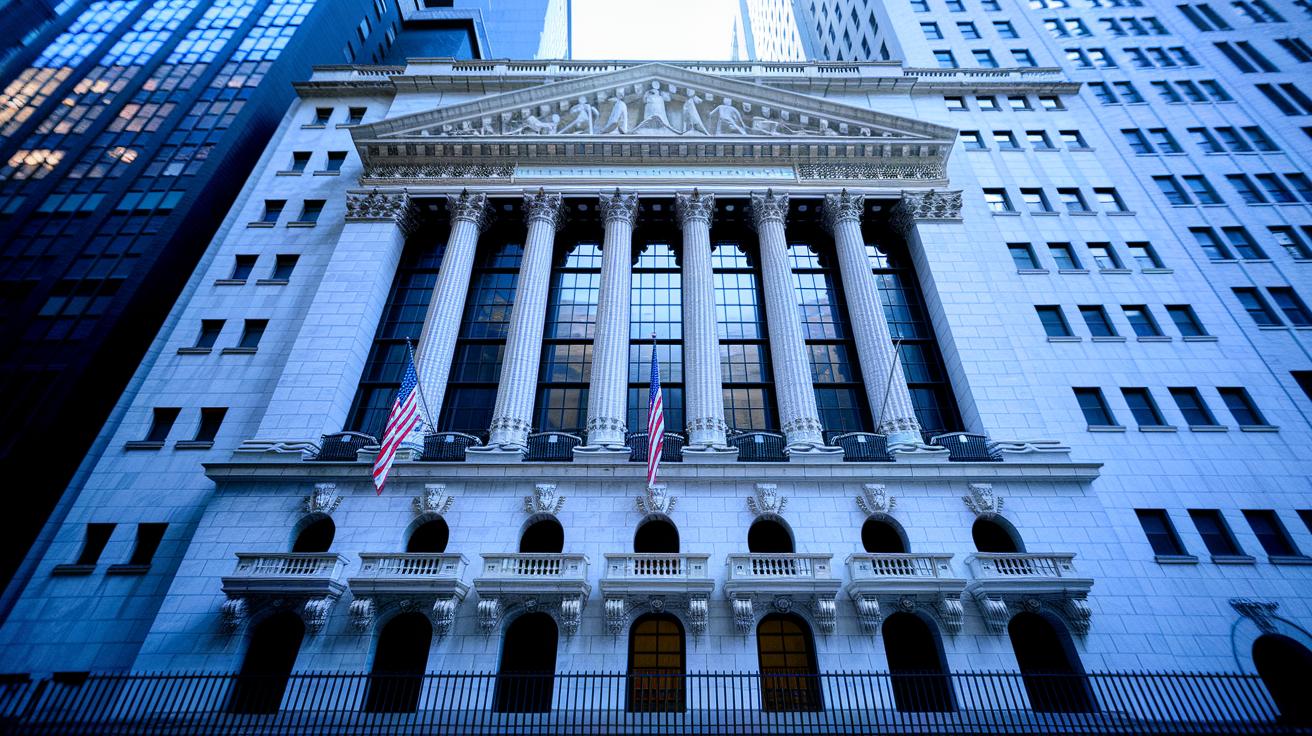
Wall Street still stands as the heartbeat of global finance, blending a rich past with a lively present. Every morning at exactly 9:30 a.m., the ringing of the opening bell sends a surge of energy through the trading floor, kicking off a day full of unexpected market twists.
Over at the New York Stock Exchange, between 500 and 1,000 traders dive into the day’s action. And by 4 p.m., another bell signals the end of a fast-paced session. It’s a scene that combines the steady rhythm of tradition with the pulse of modern finance.
Big names like Goldman Sachs and Oppenheimer anchor this famous eight-block area. But these days, it’s more than just a trading hub, it’s also home to cozy residential spaces and eye-catching event facades that tell their own financial stories.
Final Words
In the action, we unraveled the precise address of Wall Street in Lower Manhattan, its surrounding landmarks, transit routes, and rich history, from Dutch origins to its modern role as a financial hub. We explored the streets and cultural sites that form the backbone of New York’s financial district.
• Federal Hall National Memorial
• New York Stock Exchange
• Fearless Girl statue
• Charging Bull statue
• Trinity Church
• Stone Street
• Bowling Green Park
This recap brings clarity to where wall street located and leaves us ready to witness its vibrant future.
FAQ
Where is Wall Street located in New York and Manhattan?
Wall Street is in New York City’s Financial District in Lower Manhattan, stretching from Broadway to near the East River. It anchors the business core with key landmarks nearby.
What is Wall Street’s historical significance?
Wall Street’s name hails from a 1653 wooden wall built by Dutch colonists. Later, the 1792 Buttonwood Agreement laid the foundation for the New York Stock Exchange and the area’s trading heritage.
How can visitors reach Wall Street?
Visitors can easily reach Wall Street using subway lines like 4, 5, 2, and 3 or bus routes such as M15. Walking from nearby stations like Fulton Street is also a quick option.
What major landmarks are found on Wall Street?
Notable sites include Federal Hall National Memorial, the New York Stock Exchange, Charging Bull and Fearless Girl statues, Trinity Church, Stone Street, and Bowling Green Park, which together enrich Wall Street’s cultural and historic appeal.
What films portray Wall Street’s world?
Movies like The Wolf of Wall Street, Wall Street: Money Never Sleeps, The Big Short, Margin Call, and Boiler Room offer dramatic looks at Wall Street’s financial intrigue and cultural influence.
Why is Wall Street synonymous with finance?
Wall Street is known as a global finance hub where daily trading rituals, the iconic NYSE opening and closing bells, and major firms reflect its enduring influence on global markets.
Where is the Wall Street Exchange located?
The Wall Street Exchange sits in the Financial District of Lower Manhattan, closely linked with the New York Stock Exchange, which has driven American trading since its inception in the 18th century.
What is the Wall Street Journal?
The Wall Street Journal is a premier business newspaper that offers in-depth financial reporting, market analyses, and economic news, reflecting Wall Street’s impact on global finance.


