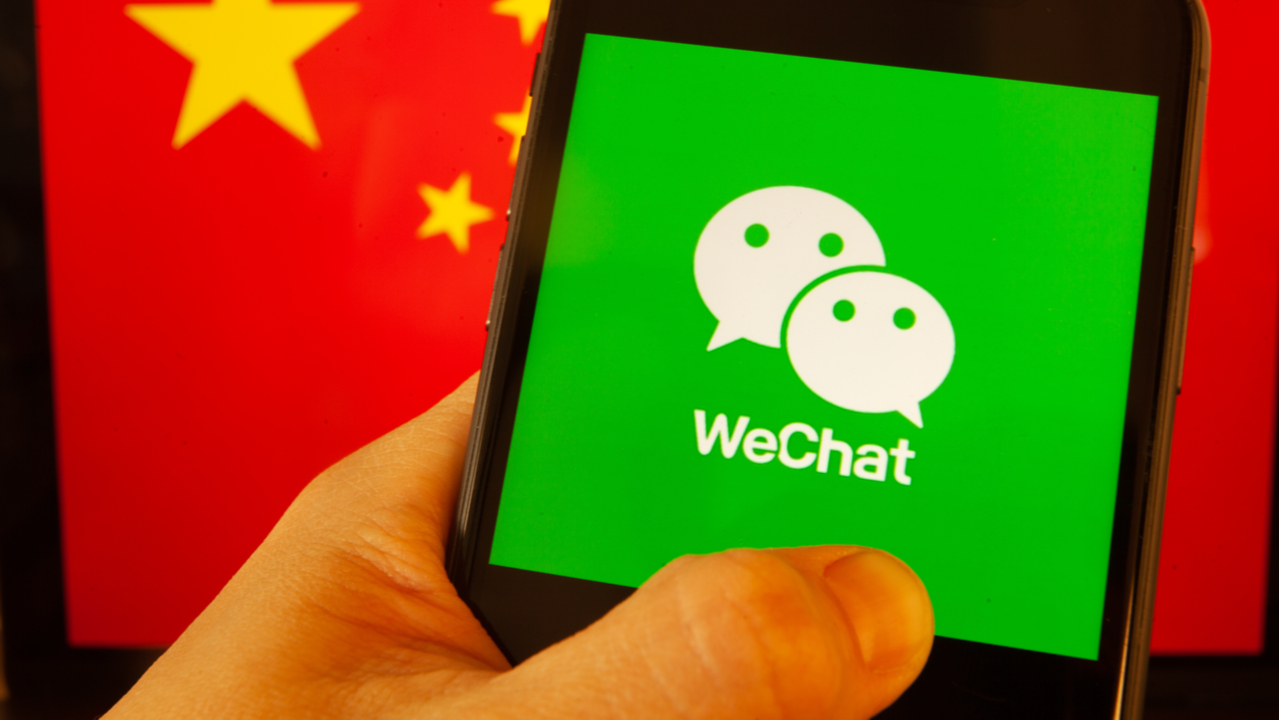
Tencent’s Wechat intends to impose penalties on public accounts facilitating secondary trading of NFTs, a press report has revealed. New rule targets also accounts offering guidance or transaction channels to cryptocurrencies.
Chinese popular app to impose restrictions on NFT trading
Wechat, Tencent’s mobile messaging, social media and payment app, has updated its policy to prohibit certain services that are related to cryptocurrencies and non-fungible tokens.
Quoted by the South China Morning Post (SCMP), Tencent said it will “order accounts to rectify if they provide relevant services or content for secondary trading of digital collectibles, and limit some features or even ban the account.” The news comes after in April, Wechat acknowledged it had suspended some accounts linked to NFTs.
Accounts that provide Wechat users with transaction channels, assistance, or cryptocurrencies will be subject to penalties. Also affected are accounts that allow initial coin offerings and the transactions of crypto derivatives.
The report notes that with the move, Wechat’s management is taking into account the guidelines issued by Chinese regulators earlier this year suggesting that businesses in the industry should steer clear of the financial aspect of such digital assets.
According to Wang Yinying, a Shanghai-based lawyer specializing in blockchain and Web3-related cases, “the new rule’s emphasis is on the narrative that the secondary market for trading digital collectibles might incur speculation and instability of the financial market.”
Wechat Says It Will Be Preemptively Acting
According to the legal expert, the statement was made by China Banking Association and National Internet Finance Association of China. It was intended to reduce the risks of cryptocurrencies.
“Tencent is acting preemptively to keep itself out of trouble,” commented Bao Linghao, a senior analyst at research firm Trivium China. He pointed out that currently there are no formal regulations on NFT trading yet, but emphasized that “Chinese regulators don’t like speculation of any kind, including NFTs.”
Chinese financial institutions were instructed to avoid NFTs this spring. They were also prohibited from using them in certain areas such as securities, insurance and loans. Experts believe the People’s Republic is likely to establish a centralized platform for secondary trading of NFTs.
Chinese digital collectibles were built on blockchain consortiums rather than open blockchains like Ethereum. To avoid money laundering, they should be purchased using Chinese Yuan and under authentic identities according to the April guidelines.
SCMP also quoted Wechat saying that accounts which show digital collectibles or primary transactions should have contracts with certified blockchain companies by Cyberspace Administration of China. They must not support secondary trading.
Big tech firms such as Baidu, Tencent and Baidu created blockchains, which were first approved by CAC.
What future do you expect for NFTs in China and what’s your opinion about Wechat’s new restrictions? Please comment below to share your views.

Credits for the imageShutterstock. Pixabay. Wiki commons. Shutterstock. Boumen Japet
DisclaimerThis article serves informational purposes. This article is not intended to be a solicitation or offer to sell or buy any product, service, or company. Bitcoin.com is not a provider of investment, tax, legal or accounting advice. This article does not contain any information, products, or advice that can be used to cause or alleged result in any kind of damage.


