Ever wondered why some investment banks seem to run the world? When you check out their revenue, market cap, and the size of their teams, the picture becomes clear. Big players like JPMorgan Chase and Goldman Sachs set the pace with figures that speak for themselves.
We looked at the latest annual reports and industry rankings, and the numbers really show how these banks influence the market. Curious to see how these leaders shape financial trends and make moves on the global stage? Let's dive in.
Global Ranking of Leading Investment Banks Worldwide
We ranked the world’s top investment banks by looking at key numbers like revenue, market cap, and employee counts. These figures help show not just the size but also the influence and global reach of each bank. We gathered our data from the most recent annual reports and updated industry lists from 2023. For example, a bank with high revenue usually has a strong hold on the market, and a big market cap means investors see long-term value. Also, the number of employees tells you a lot about the bank’s wide-ranging operations. Did you know that one bank’s workforce can exceed two hundred thousand professionals worldwide?
| Rank | Bank Name | Headquarters | 2023 Revenue (USD bn) | Market Cap (USD bn) | Employees |
|---|---|---|---|---|---|
| 1 | JPMorgan Chase | New York | 129 | 450 | 256,000 |
| 2 | Goldman Sachs | New York | 48 | 130 | 37,000 |
| 3 | Morgan Stanley | New York | 59 | 140 | 68,000 |
| 4 | Bank of America Merrill Lynch | Charlotte | 90 | 350 | 210,000 |
| 5 | Citigroup | New York | 75 | 120 | 200,000 |
| 6 | Credit Suisse | Zurich | 30 | 30 | 48,000 |
| 7 | UBS | Zurich | 32 | 40 | 70,000 |
| 8 | Deutsche Bank | Frankfurt | 25 | 20 | 85,000 |
| 9 | Barclays | London | 25 | 35 | 83,000 |
| 10 | HSBC | London | 50 | 100 | 230,000 |
This easy-to-follow ranking makes it clear that a mix of revenue and market cap shows a bank’s strength, while the employee numbers highlight its operational reach. It’s interesting to see that the biggest banks often lead by a wide margin, yet many banks across different regions are building strong global footprints.
Financial Performance Metrics for Top Investment Banks

Key performance numbers give us a real peek into how well a bank weathers tough times and benefits its shareholders. Think of them like a snapshot showing a bank’s strength. For example, the Tier 1 capital ratio helps us understand how quickly a bank can turn assets into cash when necessary. Other figures like the total deal value, revenue growth, and return on equity add extra color to the picture. Even a small boost, say, a 0.6 percentage point jump in the Tier 1 ratio, can quietly signal that a bank is becoming tougher.
In our study of the top three banks from 2023, JPMorgan Chase, Goldman Sachs, and Morgan Stanley all shared their numbers. JPMorgan led with a Tier 1 ratio of about 14.5%, while Goldman Sachs and Morgan Stanley posted 13.0% and 12.7% respectively. These numbers improved a bit compared to the previous year, hinting at steady progress. When it came to deal volume, JPMorgan was at the top with nearly $500 billion in deals. Goldman Sachs followed with around $300 billion, and Morgan Stanley wasn’t far behind at about $280 billion. Their revenue grew roughly between 6% and 8%, and their return on equity numbers were in the 14% to 16% range.
Overall, these key metrics tell us a story of slowly growing financial strength. Improvements in liquidity, deal values, and profitability all point to banks that are not only surviving, but quietly thriving in unpredictable markets.
Historical Legacy and Reputation of Leading Investment Banks
JPMorgan Chase started way back in the late 1700s, growing out of early banking groups that laid the groundwork for what we now call modern finance. A big turning point was the Chase Manhattan merger, which really put the bank on the global stage. Even though it faced some regulatory fines in the past, its solid Brand Finance 2023 Global Banking 500 score shows it’s still trusted around the world.
Goldman Sachs, founded in 1869, quickly made a name for itself, especially when it came to major corporate makeovers. Remember some of those big economic shifts and high-stakes mergers? That was them in action. Their reputation, highlighted in Brand Finance 2023, mixes smart deal-making with careful risk checks, a balance that keeps clients confident.
Morgan Stanley got its start in the early 1900s and earned trust through big merger deals that changed industries. Its impressive track record has helped it become a reliable partner in finance. Even though it’s faced market ups and downs, Brand Finance 2023 scores remind us that it remains a respected force in financing strategies.
Bank of America Merrill Lynch came together through a major merger of long-standing financial institutions. This union redefined its service offerings and helped shape its identity as a top-notch capital expert. Despite some past regulatory hurdles, recent Brand Finance rankings show that its solid reputation has held strong over time.
Citigroup’s story began in the early 1900s, marked by innovative financial moves and smart mergers. It’s had its share of regulatory challenges, but each hurdle has turned into a stepping stone for growth. With a strong Brand Finance 2023 score, Citigroup shows how resilience and global market insight can build lasting trust.
Each of these banks has used its deep history and smart strategies to build impressive reputations, even when regulatory issues pop up. It’s a reminder of how the dance between innovation, legacy, and market challenges never stops in the world of finance.
Service Offerings and Expertise Areas of Top Investment Banks
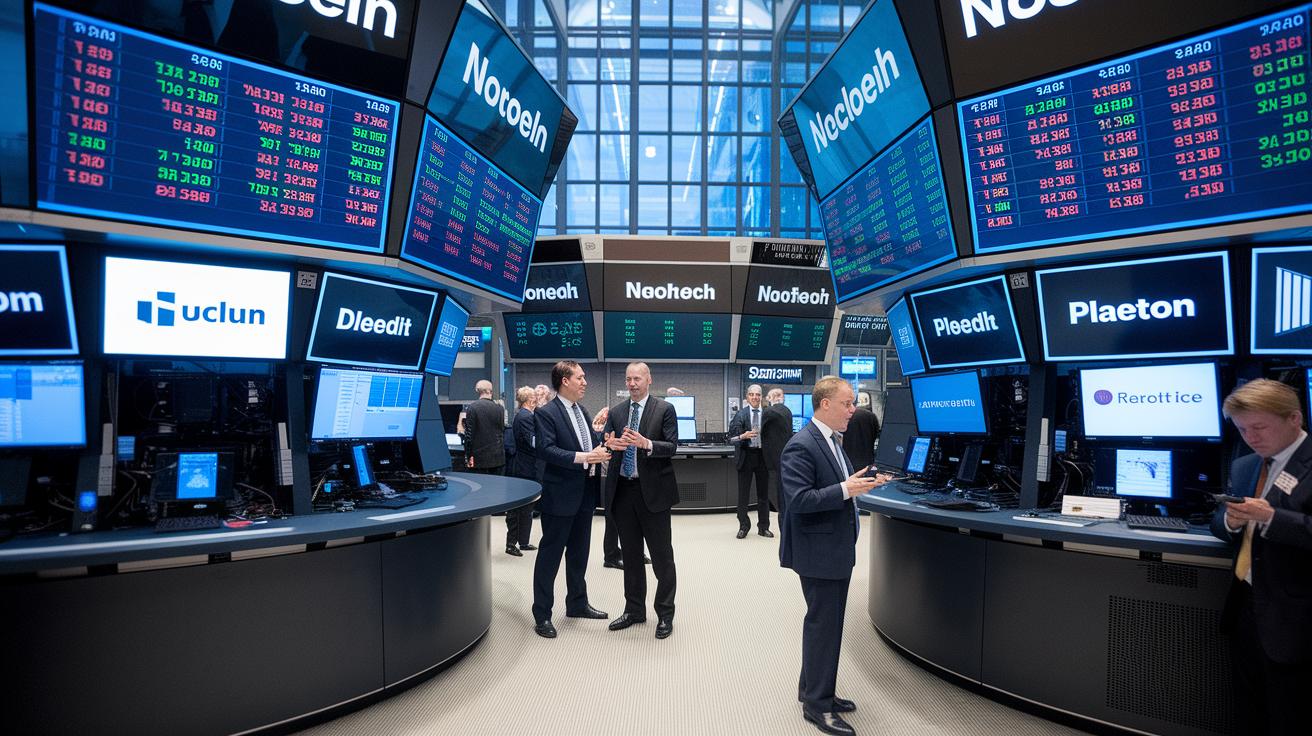
Top investment banks deliver a wide range of personalized services for big corporations and major investors. They know the ins and outs of global markets and really feel the pulse of big deals every day. It’s like having a trusted friend guide you through the hustle and bustle of trading floors.
These banks have a menu of expertise that includes:
- M&A advisory
- Equity underwriting
- Debt capital markets
- Asset management
- Risk management
- Sustainable finance advisory
- SPAC structuring
Each of these areas plays a special part in giving banks that competitive edge. For example, their strong M&A advisory can steer complex corporate restructurings, while a focus on sustainable finance means clients can jump on the wave of eco-friendly investments. In truth, honing in on these niches helps banks stand out and keeps them ready to adapt as market trends shift.
Major 2023 Transactions by Top Investment Banks
In 2023, deal-making hit record highs with an explosion of mergers, IPOs, and bond issuances. Banks kept things moving even when the market felt unpredictable. Imagine closing a deal worth $85 billion that completely changes an industry overnight!
One standout merger was when GlobalMerge Inc. joined forces with TechNova Corp in a massive $85 billion deal. JPMorgan Chase was right in the middle of it, reminding everyone why they’re the go-to bank for handling huge mergers.
Then there was the buzz around ClearWave Energy’s IPO. The company stepped into the public market and raised $12 billion. With Goldman Sachs leading the charge, this IPO set a high standard for new market entries and proved the bank’s solid track record in guiding big capital moves.
On the bond front, GreenPlan Industries made waves by raising $7.5 billion. Morgan Stanley took the lead on this deal, marking a key moment in the fixed-income space.
All these big deals boosted the profiles of the advising banks and showed just how strong and adaptable global deal-making can be, even in choppy markets.
Comparative Outlook and Emerging Trends Among Top Investment Banks

The top banks are focusing on three main growth drivers. First, digital transformation is changing the way banks run their day-to-day operations and interact with customers. At the same time, a surge in ESG (environmental, social, and governance) advisory services signals a strong appetite for sustainable strategies. And looking ahead to 2024 and 2025, revenue forecasts suggest that earnings are on the upswing, which helps boost long-term investor confidence.
But not everything is smooth sailing. New regulatory changes mean banks must keep updating their compliance measures, and ongoing market volatility might put a dent in traditional revenue streams. Overall, institutions that blend strong digital capabilities with sustainable practices, like JPMorgan Chase and Goldman Sachs, appear best positioned for the upcoming years.
Final Words
in the action, our review walked you through global rankings, performance metrics, and storied legacies of leading banks. We unpacked essential service offerings, major 2023 transactions, and emerging trends shaping the market. Each section connected data with a human touch, offering practical takeaways for smart financial moves. This exploration reminds us that top investment banks continue to drive informed decision-making. Stay optimistic and keep an open mind as financial insights open new doors.
FAQ
What factors determine the global ranking of top investment banks?
The global ranking of investment banks is determined by their revenue, market capitalization, employee count, and financial metrics drawn from annual reports and industry comparisons.
What key performance metrics differentiate top investment banks?
The key performance metrics include Tier 1 capital ratios, deal volumes, revenue growth percentages, and return on equity, providing clear insights into each bank’s financial strength.
How does historical legacy influence an investment bank’s market standing?
The historical legacy of a bank influences its market standing by showcasing its founding year, key mergers, brand reputation scores, and any notable regulatory actions that shape public trust.
What are the core service offerings and emerging specialties of top investment banks?
Top investment banks provide services like M&A advisory, equity underwriting, debt markets, asset management, and risk management, while also growing in sustainable-finance advisory and SPAC structuring.
What major transactions highlighted deal-making strength in 2023?
In 2023, major transactions such as record-breaking M&A deals, high-profile IPOs, and significant bond issuances showcased the banks’ ability to manage complex negotiations and boost their market positions.
What emerging trends and challenges are set to shape investment banking?
Emerging trends include digital transformation and ESG advisory growth accompanied by positive revenue forecasts, while potential regulatory changes and market shifts present notable challenges.


