Have you ever wondered if stablecoins could change how we pay and save money? These digital tokens make everyday transactions much faster, and they cost almost a tenth of what banks usually charge.
Imagine sending money across borders in just seconds. That’s what stablecoins can do, powering over $1.8 trillion in transfers. And it’s not just about quick payments. They also help people get loans and trade assets using decentralized finance, which means you don’t need a bank in the middle.
So, whether you’re sending a small amount or making a big deal, stablecoins are boosting modern finance by making everything quicker and smarter. Isn't it fascinating how technology can bring us these new ways to manage our money?
Core stablecoins use cases: Payments and peer-to-peer transfers
Stablecoins have really changed how we do everyday payments by slashing fees and speeding up settlement times. In March of the highlighted year, they hit an impressive $1.82 trillion in transaction volume after cost-cutting upgrades took effect. With fees that drop as low as 0.1%, a big drop from the usual 1.6%, tokens like USDT and USDC make near-instant, borderless transfers possible.
These tokens are especially useful in areas where traditional banks might let you down. They let you pay on-chain and transfer funds quickly, making them perfect for both big transactions and those tiny exchanges that power our daily lives.
- Merchant and e-commerce checkouts
- Peer-to-peer wallet transfers
- Microtransactions (in areas like content and gaming)
- Subscription and recurring billing
- Cross-border remittance corridors
When you stack stablecoins up against regular payment methods, the speed and low cost can really boost business margins and improve how customers feel about their transactions. In many emerging markets, where banking services sometimes fall short, these tokens are proving to be game changers. They offer rapid, low-fee transfers that help small- to medium-sized businesses cut costs and keep up with our fast-paced digital economy. This isn’t just a passing trend, it’s a powerful move toward a more inclusive and efficient global payment system.
Decentralized finance stablecoins use cases: Collateral and liquidity
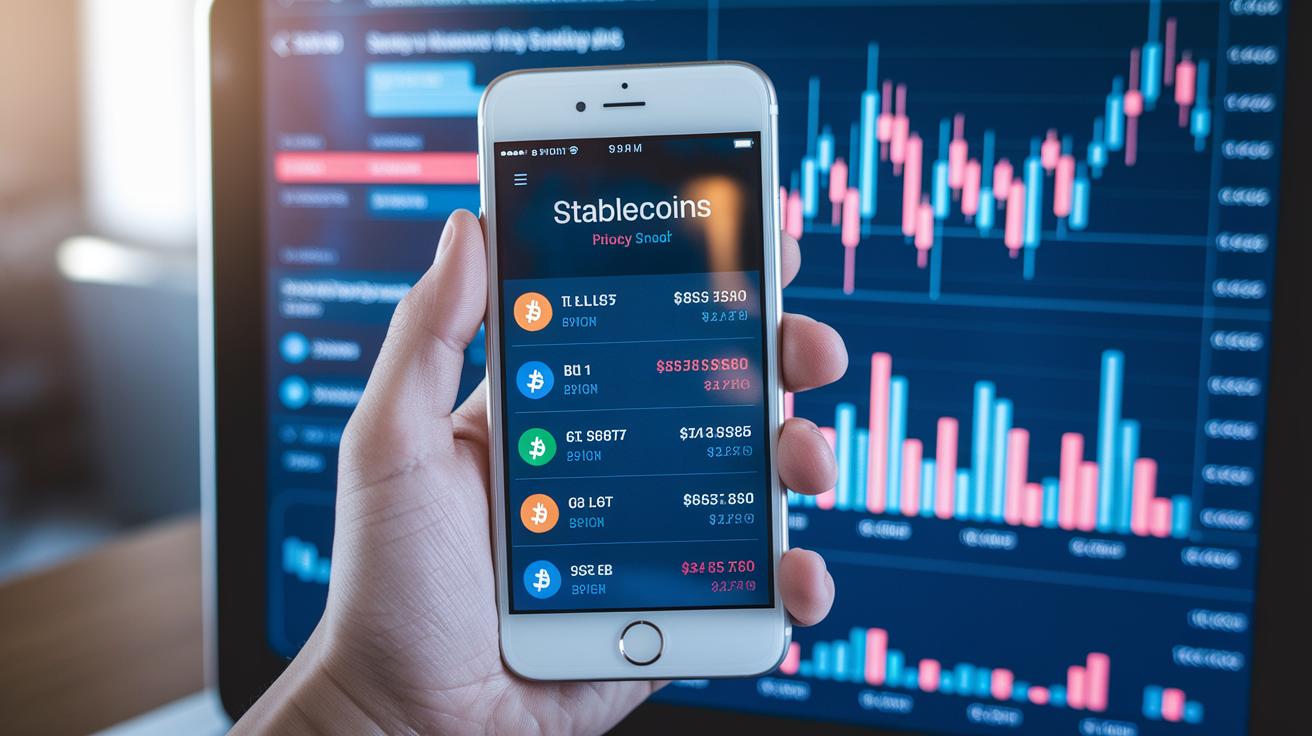
Stablecoins form the backbone of many DeFi activities like lending, borrowing, and yield farming. They provide solid liquidity and act as a dependable base when you're putting up collateral. For example, tokens like DAI and FRAX work well on platforms like Aave, Compound, and Curve, letting users dive into on-chain loans with confidence because their value stays steady. And thanks to smart contracts, settlements happen quickly and automatically.
These tokens also help cut down on losses when the market gets a bit wild. They serve as a safety net for liquidity pools, keeping things stable even during sudden swings. Plus, they power fast digital transactions, and on-chain monitoring (like that offered by smart contract analytics tools) adds an extra secure layer of oversight.
Here are some common examples:
| Use Case | Description |
|---|---|
| Over-collateralized loans | Like using DAI on MakerDAO for added security |
| Yield-farming strategies | Utilizing pools with tokens such as USDC or USDT |
| Automated market making | Platforms like Uniswap and Curve in action |
| Protocol-driven stablecoin minting | Creating liquidity straight from the protocol |
Stablecoins also act as a buffer against sudden market changes by reducing risks that come with rapid price swings. This benefit is key to keeping liquidity pools balanced. As stablecoin liquidity in DeFi grows, users can enjoy more efficient automated market making backed by robust collateral. The result is not just deeper liquidity but a more resilient, transparent decentralized financial ecosystem.
Cross-border stablecoins use cases: Remittances and trade finance
Traditional remittance services usually hit you with fees between 5 and 10% and force you to wait 2 to 5 days for your money to arrive. That sort of delay and high cost can really test your patience. With stablecoins, though, you can send money in seconds, skipping the lengthy waits and steep charges.
Just picture moving digital cash as quickly as a text message, no sky-high fees, no long delays. This kind of speed and affordability is completely changing the way money flows across borders, especially in places where the old-school bank system just doesn’t cut it.
Stablecoins also help shield you from the daily ups and downs of currency markets, which is a big plus in trade finance. Small and medium-sized businesses love that they can lock in value with these tokens, keeping their earnings safe from wild exchange rate swings. Imagine a business owner who no longer frets over sudden drops in the local currency, because their stablecoins hold steady.
This smart approach lets importers and exporters settle invoices in minutes instead of days, keeping cash flow smooth and dodging the headaches from volatile currency shifts. We’re even seeing real-world examples, like USDT transfers to Latin America, where stablecoins make sending money faster and cheaper.
Recent data shows that stablecoins now handle more than two-thirds of the trillions in digital transactions, underlining just how important they’ve become in global trade. By bypassing outdated banking networks, these tokens create a smooth, modern payment system that’s built to handle market ups and downs.
Trading and risk management stablecoins use cases: Hedging and market flexibility

Have you ever noticed how wild the market can get? When altcoins or Bitcoin start swinging wildly, traders often decide it’s time to switch to stablecoins like USDT or USDC. It’s like stepping into a safe haven when the storm hits. Imagine selling off your more volatile altcoins and transferring your funds into a steady coin, that quick move can really help you dodge sudden losses while keeping your capital safe.
Stablecoins also come in handy when you need to mix up your on-chain portfolio. They work as a stable digital asset in a sea of unpredictable prices, giving you the flexibility to rebalance your investments without long waits. Think of it as having a digital cash reserve right at your fingertips, ready to keep your trading strategy smooth and agile in a fast-moving market.
Especially in places where inflation is high or when local currencies are losing strength, stablecoins offer a reliable option by pegging their value 1:1 with major currencies like the US dollar or the euro. This steady value helps maintain purchasing power and protects both long-term portfolios and everyday transactions from sudden market drops.
stablecoins use cases Fuel Modern Finance
Big-name coins like Tether (USDT) and USDC are shaking up traditional finance. Tether is backed by nearly $100 billion in U.S. Treasury bills, while USDC is supported by cash and short-term treasuries that get checked every week. These setups help bring digital dollars into everyday banking. Paxos uses a similar approach, so financial players get the stability of real money with the ease of digital transactions. In short, these stablecoins use strong reserve systems that make users feel secure, knowing each coin is tied to proven financial assets.
Banks and payment processors are also getting creative. They’re testing API-driven token systems that link their regular bank tech straight to blockchain networks. Think of it like a merchant’s digital escrow account clearing funds in seconds instead of days. Isn’t that exciting? Financial institutions are experimenting with new ways to move money quickly, all while keeping the detailed records they trust. Some banks are even using stablecoins as a bridge to connect classic finance with modern blockchain tech, a fusion that's getting plenty of attention in today’s financial talks.
Pilot programs with commercial banks are showing off tokenized financial instruments that offer money-market fund–like yields and digital escrow services. This could completely change how clearing and settlement work by speeding things up and reducing errors. By merging digital tokens with the time-tested methods of traditional finance, stablecoins are reshaping how banks handle both old-school and new digital assets. Overall, this fresh approach promises faster settlements, lower costs, and more transparency, a real boost toward nimble, ledger-based financial services in our busy economy.
Regulatory stablecoins use cases: Oversight, compliance, and future outlook

Governments around the world are changing how stablecoins work. Europe’s new MiCA rule will start on June 30, 2024, in 27 EU countries, while Singapore’s MAS is setting clear rules for stablecoins tied to one currency. Japan is still tweaking its guidelines, and in the U.S., lawmakers are busy debating what the rules should be. All these changes show how nations are mixing modern digital money ideas with old-school financial rules.
Different types of stablecoins reveal even more about these new controls. Centralized stablecoins have someone in charge who can freeze or even burn tokens to keep their value steady or follow rules. But then there are decentralized coins like DAI, FRAX, and LUSD that work with cryptographic systems, which means there isn’t one boss calling the shots. This split changes how each coin fits into our current financial system and matters a lot to investors and users alike.
Tracking stablecoin activity on the blockchain is also very important. Analytics firms watch transactions in real time to stop illegal activities and boost transparency. By keeping a close eye on how coins stick to their set prices and making sure the rules are followed, the whole system can better manage risks and keep the market steady over the long run.
Final Words
In the action, stablecoins have shown how they trim fees, speed up transfers, and redefine financial tools. The blog post walked through payment enhancements, collateral support in decentralized finance, efficient remittance corridors, agile risk management, and even traditional banking integration. Each section emphasized real-world examples and clear benefits.
These stablecoins use cases offer a refreshing look at how modern finance can be accessible and efficient. It's an exciting step forward for investors and financial experts alike.
FAQ
Q: What is the primary purpose of stablecoins?
A: The primary purpose of stablecoins is to offer a steady digital asset that minimizes volatility while enabling fast and low-cost transfers, making them a dependable alternative to fiat currency.
Q: What are some examples of stablecoins and their use cases?
A: Examples like USDT and USDC power quick, low-fee payments across merchant checkouts, peer-to-peer transfers, and decentralized finance setups, demonstrating stablecoins’ everyday real-world utility.
Q: What types of stablecoins exist?
A: Stablecoins fall into several categories including fiat-backed, crypto-collateralized, algorithmic, and commodity-backed, each using different mechanisms to maintain a stable value.
Q: Why and when would someone use a stablecoin?
A: Using a stablecoin can reduce exposure to price swings, lower transaction fees, and speed up settlement times, making them ideal for daily payments, remittances, and hedging during market shifts.
Q: Where are stablecoins used?
A: Stablecoins are used in various settings—from merchant payments and peer-to-peer wallet transfers to international remittance corridors, DeFi lending platforms, and even traditional finance integrations for faster settlement.
Q: What are the risks, potential, and regulatory aspects of stablecoins?
A: Stablecoins carry risks like exposure to market uncertainties and evolving regulations, yet they offer potential benefits such as cost reduction and swift payments, prompting regulators to develop tighter oversight measures.
Q: Where can I find stablecoin use case resources, like lists or PDFs?
A: You can access detailed stablecoin use case lists and PDFs through financial and blockchain-focused resources, providing clear breakdowns of their roles in modern financial transfers.


