Have you ever noticed your heart pounding when the market goes up or down? Most of us think smart choices come only from hard facts, but really, our emotions often call the shots. It’s kind of like riding a roller coaster. Sometimes, the thrill makes you jump in too soon, while other times, a bit of fear holds you back.
In this chat, we’re breaking down how what you feel plays a big role in your money moves. By understanding this hidden side of investing, you can better steer your finances and maybe even catch that perfect moment. So, next time you feel a rush or a chill, remember, it might just be your secret financial helper.
Emotional Foundations of Economic Decision-Making
Most folks think decisions about money are made with pure cold logic. But in reality, our feelings often call the shots. For example, when you watch a stock shoot up quickly, the thrill can push you to buy without taking a breath to really think it through.
Our brains come wired with ancient survival habits. These deep-seated instincts can trick us into making choices that aren’t always smart. Have you ever noticed how a sudden dip in the market can spark a wave of panic? That rush of fear might hold you back from making a needed move or even make you stick with a losing bet, just because the thought of letting go feels too risky.
On the flip side, excitement can also make you jump in too quickly. In a booming market, that rush might lead you to invest big, even if all the evidence suggests you should be a bit more careful. And when things turn sour, that same fear can prompt a hasty sell-off when patience might actually lead to better gains in the long run.
Cognitive Biases Driving Emotion in Finance
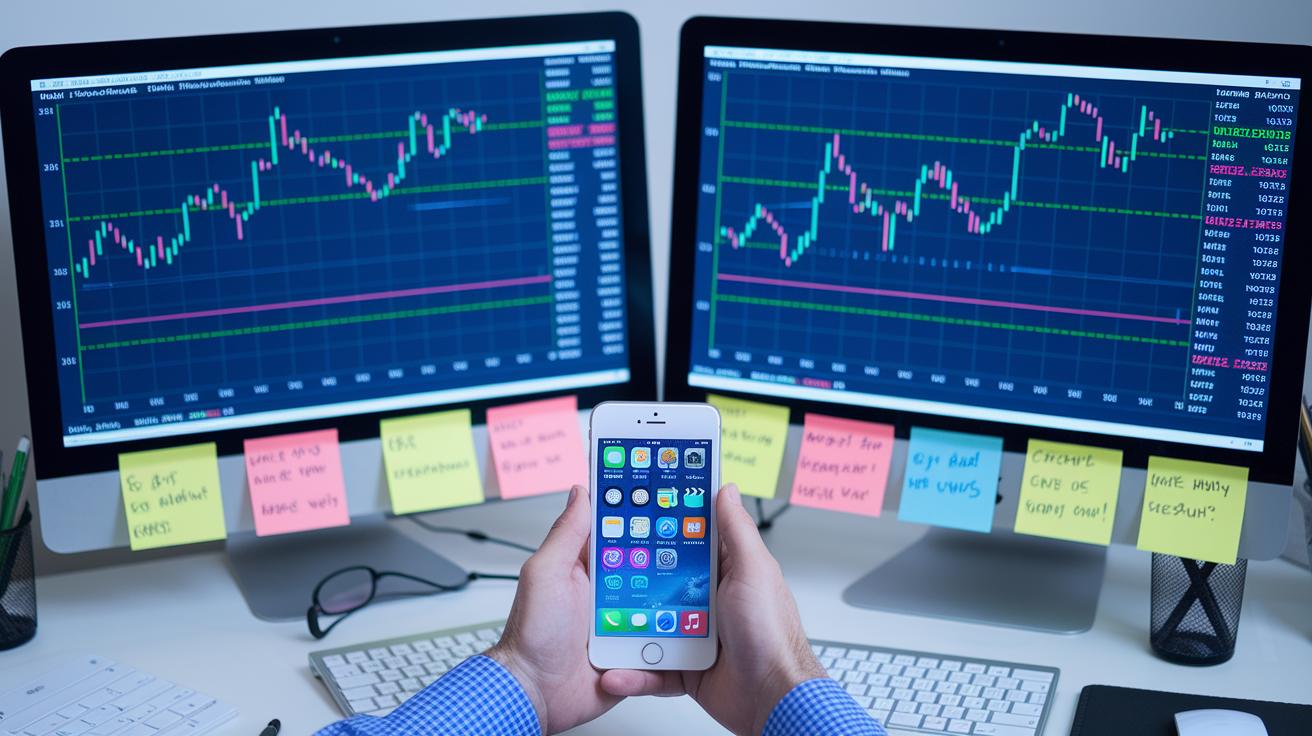
Sometimes our feelings end up steering our money decisions in ways that don’t really work out for us. When we understand these hidden biases, we can see why someone might hesitate to sell a bad stock or act too quickly in the heat of the moment.
• Loss Aversion: We tend to keep on with a falling stock because the idea of accepting a loss hurts more than holding out for a rebound, even when signs suggest trouble ahead.
• Anchoring: We often fixate on the first number we see, like an old high, and stick to it as the gold standard even though market conditions have moved on.
• Overconfidence: It’s easy to believe we’re market geniuses after a few wins, which makes us trade more impulsively than we should, mistakenly thinking our instincts are flawless.
• Representativeness: Sometimes we judge a new situation because it reminds us of past trends, expecting history to repeat itself without looking at what’s really happening now.
• Affect Heuristic: Ever felt so caught up in a market rally that you jumped in without checking all the facts? Acting on a burst of emotion rather than a full review of information is a classic example.
• Herding Bias: We all know that feeling, joining the crowd because everyone seems excited about a particular trend, even if it might not be the smartest move.
• Recency Bias: A sudden drop in prices can spark panic selling because we give too much weight to the latest news, even when long-term trends still look solid.
These thought quirks can really derail our careful planning, making us stray from smart, well-thought-out strategies and leaving us more exposed when the market takes an unexpected turn.
Emotional Impact on Risk Perception and Market Behavior
Investors don’t make decisions based only on raw numbers. They’re often caught up in waves of fear and greed that can send asset prices soaring or tumble them into a quick drop. When things seem bright and optimistic, the joy of rising prices can hide hidden risks. In this upbeat mood, people might dive in too fast, skipping the careful analysis they really need. But when the mood turns gloomy, even a tiny bit of bad news can spark a rush of panic that makes everyone hurry to sell.
Sometimes, these emotional reactions even play a helpful role when information is either too scarce or too overwhelming. Think about a sudden market rally that makes investors hold on to more assets than they should, it can create a bubble that goes far beyond what fundamentals suggest. On the other hand, a wave of pessimism might make some people exit their positions too early, even when the market starts to improve. Recognizing these patterns makes it a bit easier to understand why markets swing so wildly and why our own feelings can sometimes mirror the overall market mood.
| Market Mood | Investor Response |
|---|---|
| Bullish | Increased buying, risk underestimation, price inflation |
| Bearish | Hasty selling, risk overestimation, price deflation |
| Uncertain | Mixed reactions, cautious positioning, selective investments |
Emotional Influence in Consumer Behavior and Marketing

Retailers know that emotions play a huge role in shopping. They craft ads that really hit home, sparking feelings like trust or even that little nudge of fear about missing out. Think about a catchy tagline like, "Grab yours now before it’s gone!" It’s all about creating a deep bond with the brand that makes you pick one product because it just feels right. When you see an ad that connects on a real level, maybe offering the cozy comfort of a familiar brand or the excitement of a limited-edition item, you’re naturally more inclined to buy. It’s a clever game of blending careful thought with a spontaneous burst of feeling.
Studies have even shown that budgeting apps use similar ideas to help you manage your money. These tools wrap financial advice in optimistic hints and calming designs. You might notice gentle nudges or cheerful images that encourage saving and smart spending. For instance, some apps offer a feature called "envelope budgeting for beginners" which walks you through dividing your funds into different buckets. And when you shop in-store, loyalty programs and well-placed products work like friendly reminders of past wins, making you feel all warm and confident about your choices as you head out with a smile.
Strategies for Mitigating Emotional Biases in Financial Decisions
When you're making money moves, emotions can sometimes lead you astray. Even seasoned investors might find themselves swept up by excitement or panic, only to look back and wonder why they made that choice. But don’t worry, there are simple, practical techniques inspired by behavioral economics that can help you find a better balance between gut reactions and thoughtful planning.
One great way to start is by attending workshops or seminars focused on emotional biases. These events teach you how to notice when your feelings might be taking over, so you can pause and think things through before acting.
Another tip is to set up pre-commitment tools, like automatic investments. This helps lock in your strategy so you’re less likely to make quick decisions based solely on fleeting emotions. It’s like setting a plan in stone when the market gets a bit too wild.
Keeping an emotion journal can also really help. Try jotting down your feelings and guessing how they might affect your choices. Over time, you’ll begin to see patterns in your behavior, which can give you valuable insights and help you steer clear of impulsive moves.
Finally, mix in some emotion-regulation techniques with your usual decision-making process. By finding ways to balance your natural impulses with clear, logical thought, you’re better equipped to keep control, even when market swings make everything feel uncertain.
In the end, blending instinct with careful planning gives you a smoother ride, helping you dodge the pitfalls that come from letting emotions take the wheel.
Emerging Tools and Future Trends in Emotional Economics

AI and machine-learning tools are changing how traders and analysts feel about the market. These tools pull data from news headlines, social posts, and financial reports to get a read on market moods. They help spot when investor optimism might push prices too high or when caution could lead to sell-offs. For example, if an algorithm notices a quick burst of positive social media chatter, it might hint at a buying chance before everyone else catches on.
Neuroeconomic methods add even more insight by watching how our brains react during decisions. Using tools like EEG and fMRI, these methods catch our brain’s response to risk, reward, and uncertainty, details that regular data often misses. When you mix these brain signals with financial and psychological info, you get models that really capture how we make choices. It’s a bit like how new rules for blockchain security help us better understand data privacy. This mix of machine analysis and brain-based insights is starting to turn our understanding of hidden emotions into smart financial tools. As technology matures, blending emotion with data will likely shape our financial strategies, uniting human intuition with sharp algorithmic precision.
Final Words
In the action, we've explored how feelings shape our financial choices. The piece touched on how emotions like excitement and fear guide market trends and risk perception. You saw how biases sway investor attention and how consumer behavior relates to deeper psychological cues. It also covered practical tips to counteract emotional bias and highlighted new tools set to change decision-making. Recognizing the role of emotions in economic decisions makes the path forward clearer and more hopeful for smarter, intentional financial moves.
FAQ
What is the role of emotions in economic decisions?
The role of emotions in economic decisions is to influence choices by integrating feelings like fear, excitement, and regret into financial analysis. This approach contrasts with strictly rational models, highlighting key insights from behavioral finance.
How do different formats (pdf, ppt, essay) explore the role of emotions in economic decisions?
Different formats explain the role of emotions by using data and narrative examples. PDFs, PPTs, and essays each simplify how feelings shape decisions, making complex ideas accessible for a broad audience.
What is the impact of time on emotions in economic decisions?
The impact of time on emotions in economic decisions shows that immediate feelings can prompt fast choices, while later reflection may modify biases, ultimately affecting long-term economic outcomes.
How significant are emotions in overall decision-making processes?
The significance of emotions in decision-making is seen in how they often guide up to 90% of choices. Emotions influence investments, spending, and other financial behaviors, demonstrating that feelings greatly shape our economic actions.


