Ever noticed how investing in emerging markets can feel like you’re strapped into a rollercoaster? The ride is full of sharp turns, surprising twists, and unexpected dips. Even experienced investors can feel a bit jittery when the market shifts suddenly.
But here’s the good news: hidden in all those ups and downs are chances to earn more if you handle things wisely. When you know what to expect, it becomes much easier to navigate the bumps and smooth out the ride.
risks of investing in emerging markets: Opportunities Ahead
When you dive into emerging markets, it can feel a bit like driving down a foggy, unfamiliar road. There's a real risk of sudden bumps, extreme price swings, policy changes, unstable currencies, tight liquidity, and even fraud. It’s like hitting an unexpected pothole without warning.
These investments are known for their rapid ups and downs. Often, low trading volumes mixed with quick shifts in market sentiment can send prices soaring or plummeting. And then there are political and regulatory changes, imagine a sudden rainstorm that sends everyone scrambling for cover. Even experienced investors can feel that rush of surprise when markets shift unexpectedly.
Currency risks and low liquidity add another layer of challenge. Quick changes in exchange rates can eat into your returns almost before you notice, and if there aren’t many buyers or sellers, even one big trade can swing prices dramatically. Then there’s the looming threat of fraud, a risk that can lead to significant losses if proper checks aren’t in place. It’s like being a ship captain who must keep an eye out for any sign of a storm brewing on the horizon.
All these factors work together to create a very unpredictable market environment. Price swings can worsen liquidity problems, while political moves might stir up currency troubles and even boost the chance of fraud. So, it pays to stay flexible and be ready to adjust your strategy as these shifting conditions unfold.
Market Volatility and Liquidity Constraints in Emerging Markets

Emerging market stocks can get pretty wild, sometimes showing about 25% annual volatility compared to roughly 15% in more established markets. Even a tiny shift in supply or demand can send prices darting up and down in an instant. Picture a day when sudden changes in market mood turn trading into a rollercoaster ride.
Liquidity issues make these risks even trickier. Many frontier markets have low trading volumes, which means bid-ask spreads get wider and the chance of a risky trade goes up. With a mix of entrepreneurs, professional investors, and everyday traders, a small shock in one area can spread like wildfire across the global finance scene. This idea ties in with broader forecasts seen in the World Bank economic outlook (https://thepointnews.com?p=6630).
High volatility also ramps up the pressure on your portfolio during global market swings, forcing quick changes in trading tactics. These clear differences in numbers give us a real look at the risks, blending hands-on observations with solid data insights.
Political Turmoil Perils and Regulatory Pitfalls in Emerging Market Investing
When you dip your toes into emerging market investments, you're stepping onto a bumpy road where policy risks can quickly derail even a well-thought-out plan. Government rules can change in the blink of an eye, and with enforcement that’s often uneven, investors really have to keep their guard up.
Fraud and Governance Challenges
Fraud is one of the biggest worries here. With murky oversight, catching shady practices becomes almost impossible until it's too late. Picture this: you watch as a trusted company suddenly collapses because hidden fraud comes to light, turning confidence into fear overnight. It’s a tough reminder that without strong, clear governance, even sectors that seem secure can be hit by unexpected shocks.
Impact of G20 Policy Reforms
Now, consider the ripple effects of global policy tweaks. In November 2024, the G20 rolled out a reform plan featuring 13 recommendations and 44 actions to help banks manage risks better. Think of these changes like a friendly roadmap guiding banks toward more steady and transparent operations. These improvements aim to ease sudden market shocks, even in countries where local politics might stir up further uncertainty.
Local political shifts and global regulatory trends blend into a complex mix that keeps the investment landscape unpredictable. That's why it’s so important for investors to stay updated and ready to tweak their strategies as the rules of the game keep changing.
Currency Fluctuation and Economic Instability Challenges in Emerging Markets
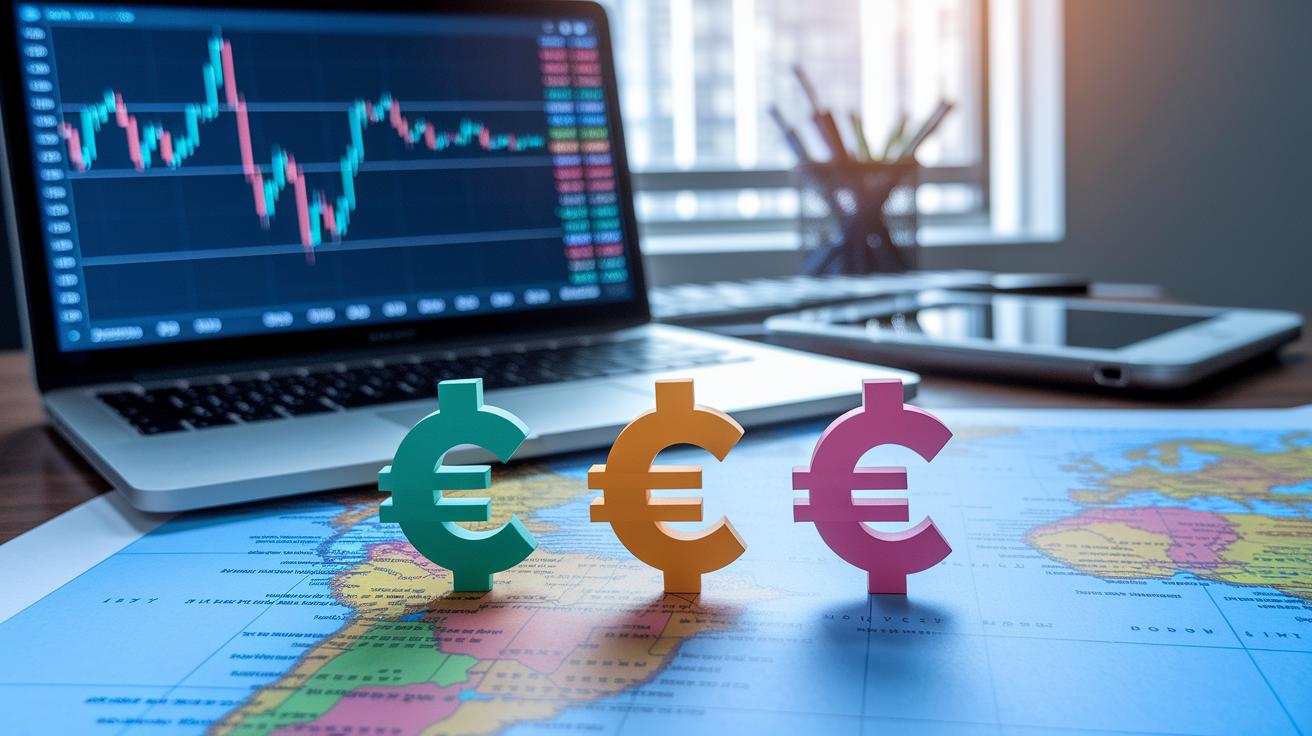
When currencies move quickly, the returns you expected in emerging markets can vanish in a flash. Even a small change in the exchange rate can take a big bite out of your gains. Picture this: you see your profits shrink because the local currency loses value overnight. Even when market trends look promising, a sudden drop in the currency can undo all the good work, leaving investors with results that fall short of expectations.
Then there’s the issue of rising inflation. In many emerging markets, prices can shoot up unexpectedly, making everyday goods and services more expensive. This kind of inflation, paired with heavy reliance on exporting raw materials, adds extra stress on these economies. When the cost of key resources becomes hard to predict, local governments may find it tough to keep their finances in balance. Imagine an investor not only battling market ups and downs but also facing increasing costs and shaky financial policies. These challenging conditions force everyone to constantly check how strong the local economy and its currency really are.
On top of that, global economic worries can make things even trickier. When big economic shake-ups happen elsewhere, emerging market currencies often feel the impact too, leading to wider instability. This global pressure means investors need to keep a close eye on both international trends and local economic signals.
Strategic Risk Mitigation Techniques for Emerging Market Portfolios
Investors diving into emerging markets need simple yet smart ways to handle risk. With markets being as unpredictable as they are today, having a clear plan can create a safety net. I like to think of it as building a cushion to soften the blow when things don’t go as expected.
Here are four ideas you might consider:
- Spread your investments over different regions and industries in emerging markets.
- Protect your money against currency swings using tools like forwards and options (basically methods to lock in an exchange rate).
- Team up with local financial experts who really understand the market.
- Keep an eye on changes in government policies and shifts in how money flows.
These ideas tie in with the overall guidance from the G20’s key recommendations. They serve both everyday investors and seasoned pros by emphasizing the importance of doing your homework. Tailor these strategies to suit your own comfort with risk, and you’re not only minimizing potential losses but also positioning yourself to grab opportunities even when uncertainty is in the air.
Final Words
In the action, we examined key challenges like price swings, liquidity strains, political and regulatory shifts, as well as currency fluctuation risks. We explored how these factors create real impacts on emerging market investments and what strategies can help manage them.
Our overview stressed clear techniques such as diversification, currency hedging, and local partnerships. Embracing risk mitigation in the face of market turbulence can turn these risks of investing in emerging markets into meaningful opportunities for growth.
FAQ
What are emerging markets?
Emerging markets refer to countries with growing economies and increasing investor interest, characterized by higher volatility, evolving rules, and opportunities for rapid growth.
What hidden risks exist in emerging markets?
The hidden risks in emerging markets include political instability, rapid price swings, and currency fluctuations, all of which can impact returns and create challenging market conditions.
What are the advantages and disadvantages of emerging markets?
The advantages of emerging markets include high growth potential and diversification, while disadvantages involve market volatility, liquidity issues, and regulatory uncertainties.
How do I invest in emerging markets?
Investing in emerging markets means diversifying your portfolio, using currency hedging, partnering with local experts, and staying aware of policy changes and market dynamics.
How does venture capital operate in emerging markets?
Venture capital in emerging markets fuels innovation by funding startups, though it also faces higher risks from governance issues, market volatility, and limited regulatory oversight.
What emerging risks in financial services should I be aware of in 2024?
The emerging risks in financial services in 2024 include fraud, liquidity mismatches, and shifting policies that can affect market stability and investment outcomes.
Are emerging markets as risky as they are perceived to be and is investing in them a good idea now?
While emerging markets do present significant risks like volatility and regulatory shifts, they also offer growth potential; investing wisely depends on your risk tolerance and long-term strategy.
Which risk is most associated with investing in emerging markets?
Governance challenges, including fraud and weak oversight, are among the most associated risks, making it essential to conduct thorough due diligence when investing.


