Have you ever noticed how rental prices seem to rise even when the economy feels steady? Data today shows prices inching up, challenging what we once thought of as affordable.
Imagine walking down a street where one neighborhood sees prices climbing while another quietly eases down, a unique story in every corner.
In this post, we’ll explore how these small shifts can open up new opportunities for both renters and investors. It’s like watching everyday trends change the game and create fresh prospects in the local rental market.
National Rental Market Trends and Current Outlook
Rent prices across the country nudged up by 0.6% in March 2024, just a bit lower than the pre-pandemic seasonal average of 0.7%. Over the past year, rents have grown by 3.6%, which shows that while the upward trend is slowing down a little, the steady demand remains.
The median asking rent has hit $2,049, which is 35.8% higher than it was before COVID started. This tells us that old rent levels no longer match what we’re experiencing now. Landlords have adjusted their prices to keep up with changes in what tenants need and the overall economic climate.
Households are now spending almost 30% of their income on rent. For renters to manage their costs comfortably, they need to earn about $81,962 a year, up roughly $2,500 from last year. This situation really puts the squeeze on many and highlights the challenge of balancing supply and demand in today’s rental market.
Regional Rental Market Trends and Metro Comparisons

Across the biggest cities, nearly every metro is feeling the squeeze as rents climb steadily. In fact, 47 out of the 50 largest metros have seen rent hikes year-over-year. Some markets have even pushed up by as much as 5.9%. This upward trend shows how local economies and shifting renter profiles are influencing regional prices.
At the same time, not every city shares the same story. A few metros, like Tampa, Phoenix, and New Orleans, have witnessed slight month-over-month declines. It’s a clear sign that the balance between supply and demand can vary widely from one neighborhood to the next, offering unique opportunities for both investors and renters.
| Metro | Performance |
|---|---|
| Cleveland | Top performer with a 5.9% increase year-over-year |
| Chicago | Top performer with a 5.9% increase year-over-year |
| Providence | Top performer with a 5.9% increase year-over-year |
| Philadelphia | Leading market in annual rent growth |
| Atlanta | Known for strong yearly gains |
| Tampa | Shows a slight month-over-month decline |
| Phoenix | Shows a slight month-over-month decline |
| New Orleans | Shows a slight month-over-month decline |
Rental Market Trends by Property Type
The rental market today shows very different vibes depending on the type of property. Each kind has its own flavor, influencing both how much landlords charge and what renters desire. Recent numbers clearly map out the unique story between multifamily and single-family rentals.
Single-Family Rentals
Single-family homes have really carved out their space in the market. In March, rents averaged around $2,183, with a steady monthly increase of 0.7% and a cumulative boost of 37.5% since 2020. It's like moving from a cramped apartment to a cozy, roomy house, suddenly, extra space feels worth every penny. Often attracting older millennial renters looking for a quieter neighborhood and more elbow room, this trend shows how changing lifestyles help push rent prices higher.
Multi-Family Rentals
Multi-family properties continue to hold a central role, especially in city life. They see smaller, steady monthly increases of around 0.5%. Out of 50 major metro areas checked, 38 showed an uptick in rents while a handful, just six, had slight drops. Over the year, these rentals grew by about 2.9%, which is a bit lower compared to the 4.0% rise in single-family homes. This difference often reflects factors like tighter supply, enticing deals such as a free month's rent, and shifting preferences in densely populated areas. It’s a reminder that local market quirks can really affect how rents trend over time.
Incentives and Vacancy Patterns in Rental Market Trends
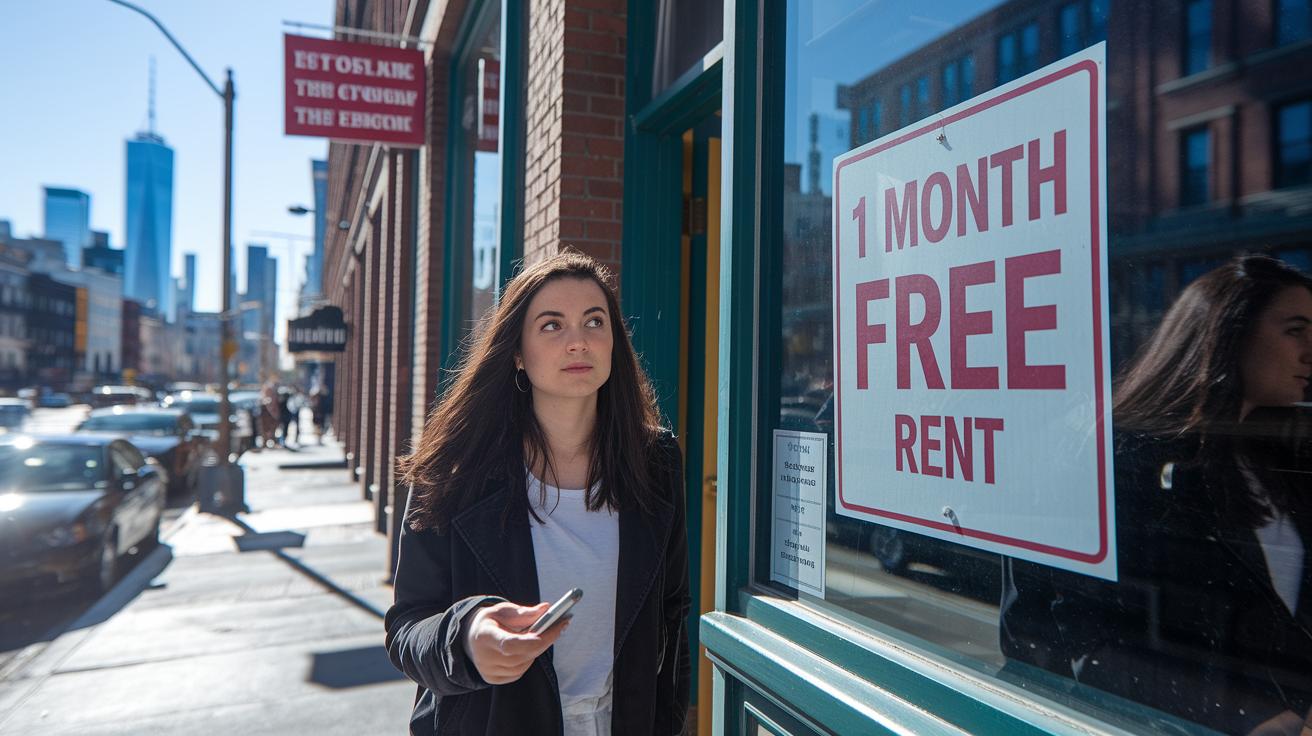
Landlords are getting creative with special offers to handle changing vacancy trends and shifting tenant needs. In October 2023, you could see that one out of every five rental listings in New York City came with a perk, like a free month’s rent or other sweet benefits. Before exploring new markets, NYC landlords had to offer incentives just to keep vacancy rates in check. Now, these perks are becoming a standard way to balance supply and demand and keep those apartments filled in a busy urban scene.
Across the country, like-minded strategies are picking up steam. By March 2024, nearly one in three listings offered tenant rewards, and that number nudged up to 35.1% by May 2024. Cities such as Denver, Austin, Raleigh, Houston, and Orlando are leading this trend. Renters are finding these deals hard to resist, giving landlords another handy tool for an ever-shifting leasing market. Ever think how a small deal can make a big impact? Imagine nearly one in three places sweetening the offer just to grab a new tenant!
| Month | % Listings Offering Concessions | Notable Metros |
|---|---|---|
| October 2023 | 20% | New York City |
| March 2024 | 33% | National Average |
| May 2024 | 35.1% | Denver, Austin, Raleigh, Houston, Orlando |
Economic Factors Influencing Rental Market Trends
Have you noticed how inflation keeps pushing rental prices up? In May 2024, asking rents shot up by 3.2% compared to last year. With fewer homes available and living costs rising, landlords are nudging up their rates. This puts tenants in a tough spot as they try to find affordable places to live.
The aftereffects of the pandemic still sway how people rent and buy homes. Many are staying on the rental path because buying feels too risky right now. This choice keeps demand high, which makes rental spaces even more sought-after. It’s almost like the market is shrinking, making each available unit extra valuable.
Recent data from the Bureau of Labor Statistics tells us that the shelter index, essentially how much we pay for housing, is outpacing overall inflation. In other words, home costs are rising faster than other prices. Over time, these pressures might lead to new policies aimed at keeping rents within reach and balancing the market.
Urban Versus Suburban Rental Market Trends

In places like Washington D.C. and New York City, you see about a 1.0% monthly bump in rentals. This steady rise hints at strong job opportunities and a tight supply of homes, kind of like a gentle ripple that gradually builds into a strong current over the year.
Over in the suburbs, especially where single-family homes are common, things feel more steady and predictable. Meanwhile, many inland cities show a mixed picture: some markets rise a little, and others stay just as they are. It’s like choosing between the calm predictability of suburban life and the vibrant, ever-changing scene of city living.
Forecasting Future Rental Market Trends
Rent hikes seem to be taking a little break. In June 2025, rents went up by 3.8% across the country, down from 5.1% the year before. More homes are coming onto the market and with a growing number of home sales, the pressure on rent prices is easing up. This change means that both landlords and renters might soon enjoy steadier, more predictable rent deals.
Predictive rent models are now shedding light on what the future might hold. Experts, using simple lease models and clear trend visuals, expect that rent growth will settle around 3.2% for 2025 if the economy stays steady. It’s like checking your weather forecast in the morning, helpful guidance that lets investors and renters plan ahead with a bit more confidence.
Final Words
In the action, we reviewed the shifts in rent rates, median asking prices, and affordability challenges. Small details like concessions and urban versus suburban differences add up to paint a real picture.
We've also seen how both economic factors and forecast models provide a framework for predicting rental market trends.
These insights offer a clear snapshot of where we stand and where we might be heading. Keep this perspective close as you step into further market analysis and informed decision-making.
FAQ
What do rental market trends in 2025 indicate?
Rental market trends in 2025 indicate that growth is slowing as increased housing inventory stabilizes rates, pointing toward a more balanced market compared to previous peak growth periods.
How does rental market analysis by zip code work?
Rental market analysis by zip code uses local rent data and free rental comps to compare neighborhood pricing, offering insights into rent variability and demand differences across areas.
What is Rentometer and how is it used?
Rentometer is a tool that provides quick rent estimates and comparisons by analyzing local rental listings, which can help landlords and tenants gauge market competitiveness.
How reliable are rent estimates from Zillow and Redfin?
Rent estimates from Zillow and Redfin use algorithms based on market data to offer starting points for rental pricing, though local economic and regional factors might influence final values.
What insights does Zumper rental market data provide?
Zumper rental market trends data highlights regional rent increases and shifts in supply-demand balance, helping users spot market movement and adjust pricing strategies accordingly.
How can I access free rental comps?
Free rental comps are accessible through various online market research tools that aggregate listings and provide comparable rent figures for a given neighborhood.
Is the rental market going down?
The rental market is not going down but is experiencing a slowdown in growth as rising inventory and changing demand lead to more stable pricing overall.
What is the 1% rule for rental properties?
The 1% rule suggests that a property’s monthly rent should be at least 1% of its purchase price, serving as a quick metric for evaluating rental income potential.


