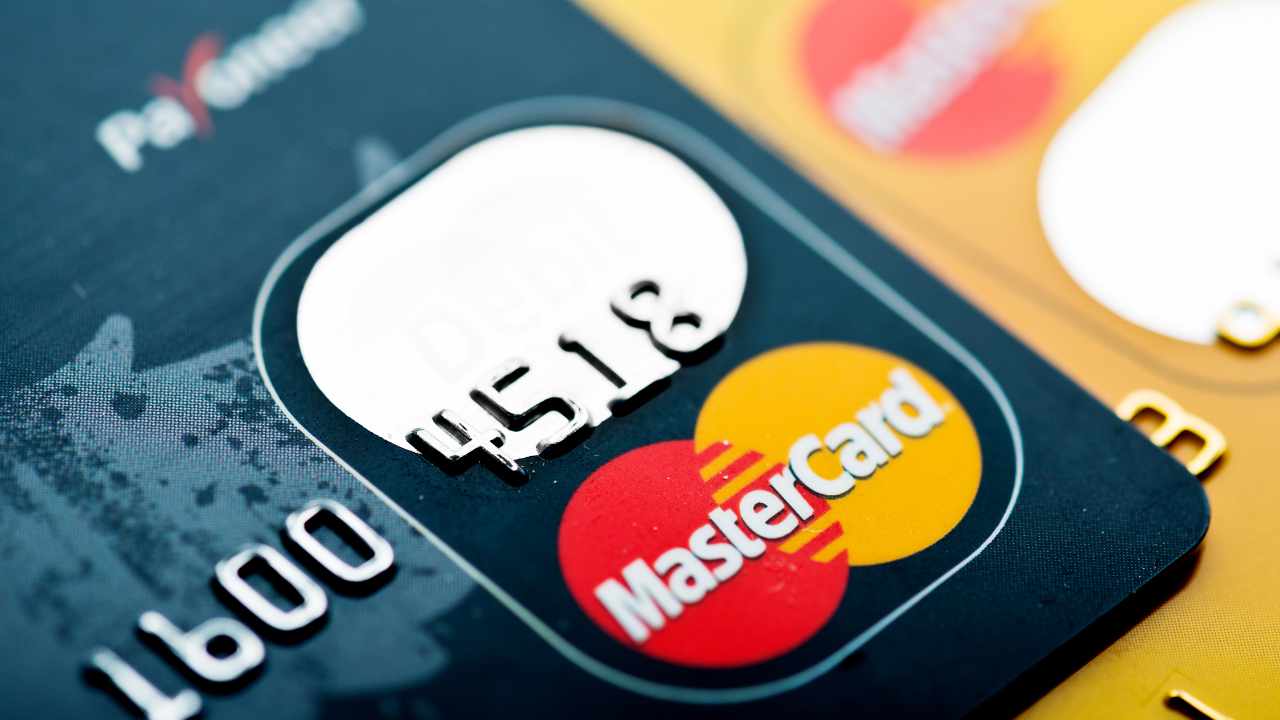
Mastercard sees cryptocurrency as more of an asset class than a means of payment, according to the payments giant’s chief financial officer. Mastercard’s crypto strategy “has been fairly successful ever since crypto environments came up,” he added.
Mastercard’s CFO on Crypto as Asset Class vs. Means of Payment
Sachin Mehra, Chief Financial Officer at Mastercard (CFO), shared his thoughts on crypto in a Bloomberg interview.
He was asked how successful Mastercard’s crypto strategy has been. “In the crypto world, we play the role as an on-ramp, with people using our debit and credit products to buy crypto. And we act as the off-ramp: When people want to cash it, we help them gain access to be able to use their crypto balances everywhere Mastercard is accepted,” he detailed, elaborating:
That’s a revenue-generating capability which has been fairly successful ever since crypto environments came up.
The company stated previously that its plans are to develop products in three important crypto-related areas, cryptocurrencies, stabilitycoins, central bank digital currencies, (CBDCs).
Mehra was also asked about the traction that crypto assets could get for a legitimate form of payment. “For anything to be a payment vehicle in our mind, it needs to have a store of value,” he replied. “If something fluctuates in value every day, such that your Starbucks coffee today costs you $3 and tomorrow it’s going to cost you $9 and the day after it’s going to cost you a dollar, that’s a problem from a consumer-mindset standpoint.”
Mastercard’s chief financial officer also added:
We see crypto as more of an asset class.
“But as a payment instrument, we think stablecoins and CBDCs potentially have a little bit more runway,” Mehra concluded.
Mastercard added cryptocurrency to its payment-focused consulting services in February. The service covers “a range of digital currency capabilities, from early-stage education, risk assessments, and bank-wide crypto and NFT strategy development to crypto cards and the design of crypto loyalty programs.”
In April, the payments company filed 15 trademark applications for services that use non-fungible tokens (NFT) and metaverse systems. The company announced in June that it will be expanding its payment network to web3 as well as NFTs.
What do you think about the comments by Mastercard’s chief financial officer? Comment below.

Images CreditsShutterstock. Pixabay. Wiki Commons
DisclaimerThis information is intended for general purposes. This article is not intended to be a solicitation or offer to sell or buy any product, service, or company. Bitcoin.com is not a provider of investment, tax, legal or accounting advice. This article does not contain any information, products, or advice that can be used to cause or alleged result in any kind of damage.


