
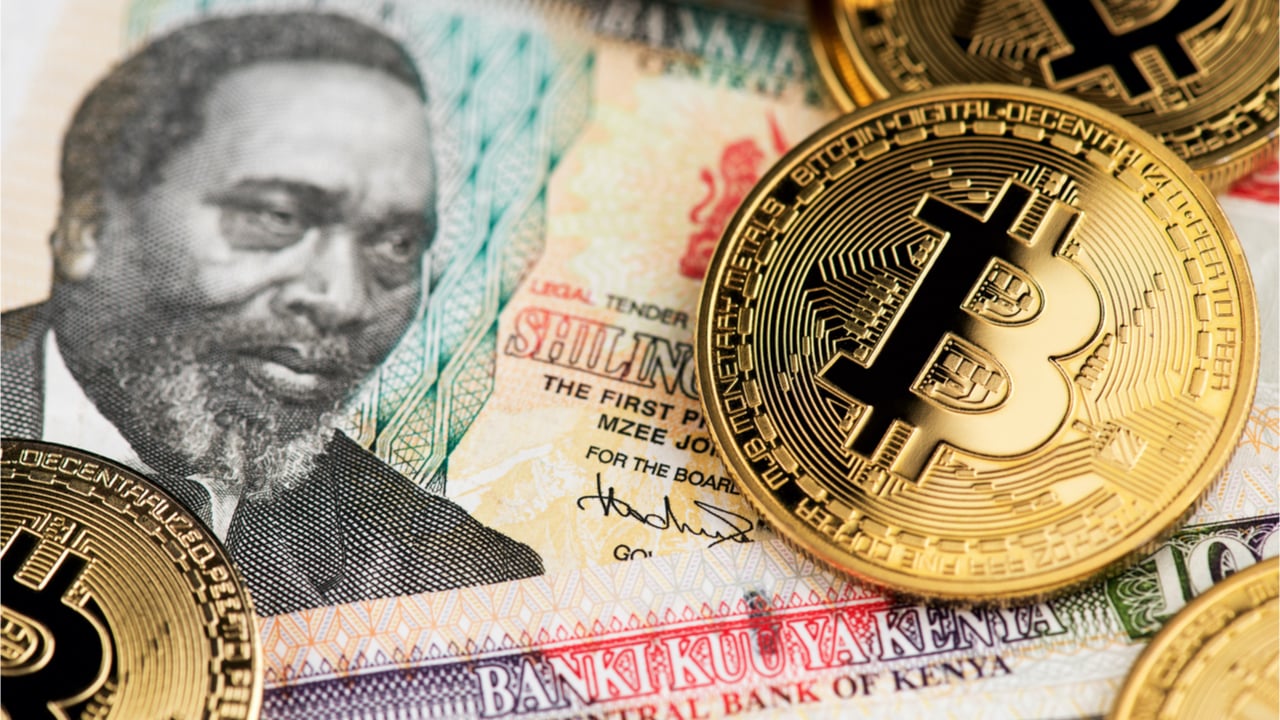
According to the latest UNCTAD data, Kenya is the African country with the largest percentage of crypto-owning citizens. UNCTAD recommended that taxes be imposed to discourage crypto trading in order to counter growing interest in cryptocurrencies.
‘A Way to Protect Household Savings’
According to the data in the latest (UNCTAD) policy brief, Kenya’s digital currency ownership as a share of the population of 8.5% is the highest in Africa and the fifth-highest globally. There are only three countries with a greater percentage of residents who own crypto than Kenya: Ukraine (12.7%), Russia (11.9%), Venezuela (10.3%), Singapore (9.4%), and Venezuela (10.3%).
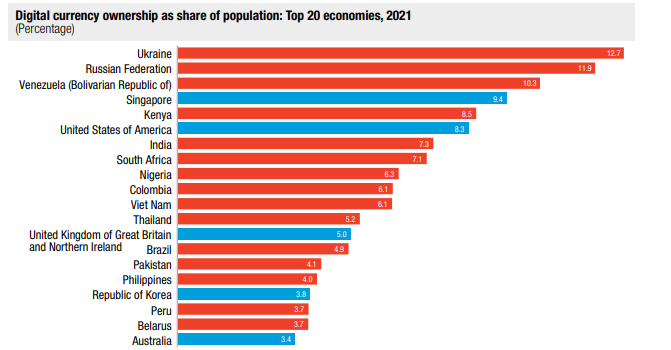
The data show that South Africa ranks second in Africa, and eighth worldwide, with 7.1% having cryptocurrencies or owned them in 2021. About 6.3% of Nigeria’s population has cryptocurrencies or is a member of one of the largest cryptocurrency markets in the world, Nigeria. Using the UNCTAD data, this means from the country’s population of 211 million inhabitants, just over 13 million were owners of digital currencies in 2021.
Australia was the only country among the twenty that had been surveyed to own cryptocurrency (3.4%)
Meanwhile, in a report on its findings, UNCTAD acknowledged that cryptocurrencies have grown in their popularity because they are “an attractive channel through which to send remittances.” The UN agency also said it found that middle-income individuals from inflation-hit developing countries own or hold cryptocurrencies because these are seen “as a way to protect household savings.”
Required Registration for Crypto Exchanges
However, based on its findings, the UNCTAD said it determined that “the use of cryptocurrencies may lead to financial instability risks.” In addition, their use potentially opens “a new channel for illicit financial flows.”
“Finally, if left unchecked, cryptocurrencies may become a widespread means of payment and even replace domestic currencies unofficially [a process called cryptoization]It could also jeopardize countries’ monetary sovereignty. The use of stablecoins poses the greatest risks in developing countries with unmet demand for reserve currencies,” UNCTAD noted in the policy brief.
To minimize some of these risks, UNCTAD said it recommends “the mandatory registration of crypto-exchanges and digital wallets.” The agency also recommended imposing “entry fees for crypto-exchanges” or levying taxes on cryptocurrency trading. UNCTAD stated that this would reduce the appeal of cryptocurrency trading. UNCTAD also recommended that cryptocurrency ads be restricted and that a central bank digital money (CBDC) is issued.
Your thoughts? Please comment below to let us know your thoughts.

Image creditShutterstock. Pixabay. Wiki Commons
DisclaimerThis information is provided for educational purposes only. This article is not intended to be a solicitation or offer to sell or buy any product, service, or company. Bitcoin.com is not a provider of investment, tax, legal or accounting advice. The author and the company are not responsible for any loss or damage caused by the content or use of any goods, services, or information mentioned in the article.


