Have you ever noticed how a tiny change in crypto can spark a big market move? Crypto trading isn’t just chance. Smart tactics like watching moving averages and volume spikes can hint at trends before they spread.
In this post, we’ll walk you through simple ways to spot these early signs so you can make quicker, smarter trading choices. Using these tools, you’ll see the market in a fresh light that turns raw numbers into clear, actionable insight.
Core methods for spotting crypto trends
Crypto trading moves fast, and even tiny shifts can signal major changes. For example, Bitcoin jumped over 150% at the start of 2024 after ETF approvals. Techniques like short and long moving averages crossing over and drawing slope guides help you catch these signals early, turning raw data into clear, actionable steps.
- Checking when short-term averages cross over long-term ones
- Using simple RSI rules to spot overbought or oversold conditions
- Noticing sudden volume jumps at key breakout moments
- Marking price levels where support or resistance comes into play
- Drawing trendlines to see the direction of momentum
- Spotting Fibonacci retracement zones for potential reversals
Each of these tools gives you a fresh look at how the market is moving. Moving averages smooth out the day-to-day price jumps, letting you see the underlying trend. RSI can tell you if a coin is getting too pricey or too cheap, hinting at when things might flip. Volume spikes help confirm that a breakout is real rather than a false alarm, and knowing your support and resistance levels shows where prices might bounce or stall.
Mixing these signals builds a clearer, more rounded picture of the market. When a moving average crossover happens along with a burst in volume, it’s a stronger signal than just one indicator alone. By combining techniques like drawing slope lines and using Fibonacci retracement with momentum measures, you create a system that cuts down risk and boosts your confidence in trading decisions.
Interpreting candlestick pattern signals in crypto charts
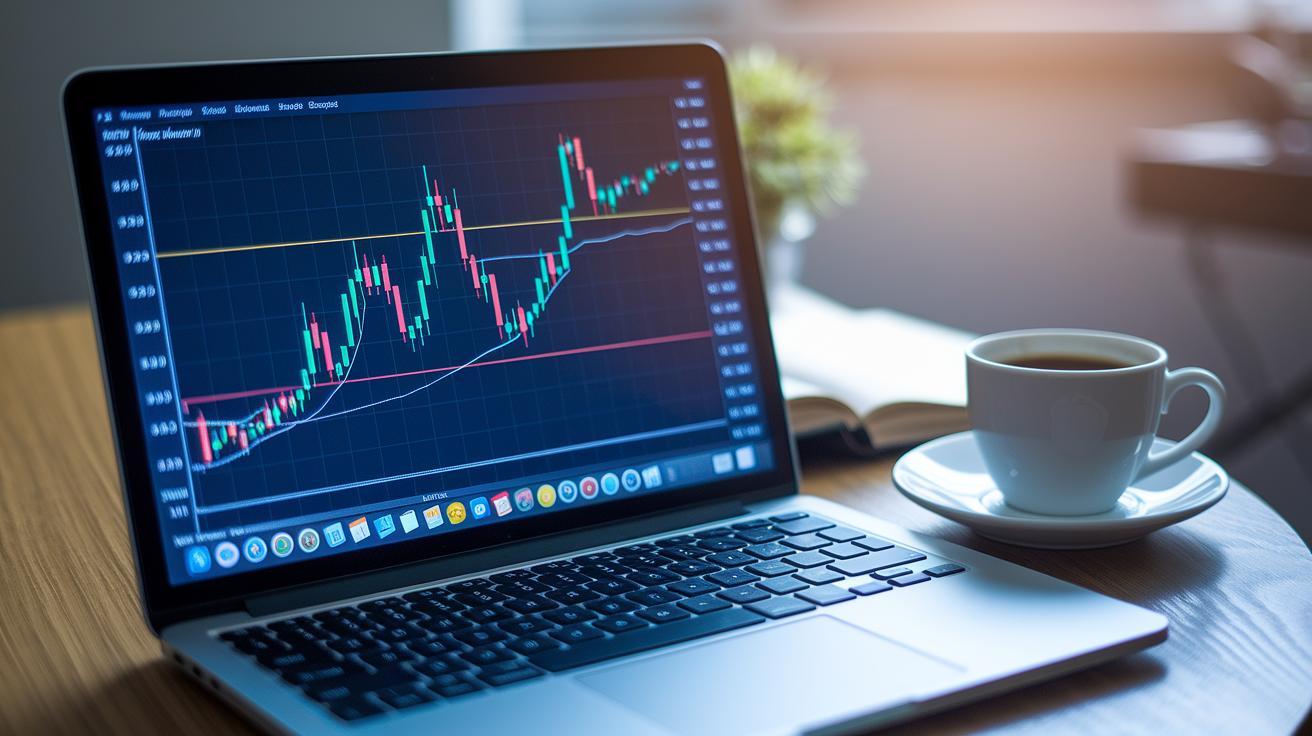
Candlestick signals act like a friendly guide when you're trying to figure out crypto price moves. They give little hints about when a trend might flip or stick around, helping traders move from guesswork to a more organized approach. Think of it like noticing a warm sunrise after a dark night, a clear sign that something new is coming.
Some common patterns to watch for include:
- Bullish engulfing
- Hammer
- Shooting star
- Doji
- Morning star
When you use a pattern recognition tool, these signals become much easier to spot. It’s like watching a familiar shape form on a graph, giving you that "aha" moment when you see a possible market turnaround. This mix of chart data and clear visual cues helps connect the dots between raw numbers and real trading ideas.
Line graphs add another layer of insight, supporting what the candlestick patterns are suggesting. And pattern scanning tools can automatically look across many charts at once, saving you time and cutting down on mistakes. Together, they create a dependable system that confirms trends with extra visual proof, making your crypto trading decisions feel that much more secure.
Crypto technical indicators: moving averages and momentum oscillators for trend forecasting
Many crypto traders swear by moving average crossovers and momentum oscillators because they make spotting trends simple. These tools help you notice when short-term price moves start to resemble longer-term trends. For example, when a short-term moving average crosses a longer-term one, it’s a signal that a new trend might be on the way. And oscillators like the MACD and RSI give you clues about shifts in market energy, hinting that a trend could either flip or keep gaining strength. It’s like watching the market’s heartbeat and catching a break before a big move happens. Many traders combine these signals with other strategies to fine-tune their entry and exit points.
| Indicator | Signal Trigger | Typical Timeframe | Interpretation |
|---|---|---|---|
| 50/200-day Moving Average Crossover | Golden/Death Cross | Daily | Major trend shift signal |
| MACD Histogram Crossover | MACD line crosses signal line | Weekly | Momentum reversal indicator |
| RSI Divergence | Price makes new high/low without RSI confirmation | 4-hour | Potential trend exhaustion |
Another important piece of the puzzle is price breakout analysis paired with a technical review checklist. Spotting a breakout means you’re seeing the price leave its usual range, confirming what your moving averages or oscillators might be hinting at. A checklist helps you double-check these signals with extra market cues so you don’t fall prey to false alarms. By blending these tips with best practices from trusted crypto analysis resources, you create a more reliable method to confirm trends. It’s all about building confidence in your decisions and having a clear plan to spot those crypto trends as they form.
Evaluating crypto volume spike detection and market sentiment review

Volume spike detection
When you see a sudden jump in trading volume, it's like the market is whispering a secret: something big is about to happen. Imagine you're at a busy fair and suddenly a crowd gathers around one booth – that rush signals there's something special going on. For instance, when Bitcoin shot up by 150% after ETF approvals, it wasn’t just luck; the high volume showed that many traders were backing the move. This kind of spike helps reduce false alarms by proving that real conviction is behind the trend. Traders keep an eye on these moments because they act as a helpful early heads-up for buying or selling opportunities, almost like a safety net against trick signals from random price swings.
Market sentiment review
Investor mood is just as important as the hard numbers on the screen. Think of it like tuning into a lively conversation at your local coffee shop: you’re not only listening to the chatter but also picking up on the emotions behind the words. Metrics such as funding rates, social media buzz, and news about mergers give us a window into the general mood of the market. If everything feels upbeat, it usually confirms what the volume is telling us. But if the chat turns sour, it's a sign to be extra cautious. In the fast-paced crypto world, paying attention to how investors are feeling can be as crucial as reading the charts. Plus, using tools that track these shifts is like having an early-warning system, letting you adjust your strategies and risk controls before the changes hit your portfolio hard.
Applying support resistance levels with Fibonacci retracement tools in crypto
Ever wonder how traders seem to time crypto moves so well? It all starts with mapping out where prices have bounced or stalled in the past. Looking at these key moments on a chart can reveal spots where prices may slow down or even reverse. It’s like spotting clues on a treasure map that show you where the action might be.
Adding Fibonacci retracement tools into your strategy makes things even clearer. These tools help connect past price moves to potential turning points, giving you a guide on where the market might change direction.
Here’s a simple way to get started:
- Identify the major swing high and low, which are like the peaks and valleys of a rollercoaster ride.
- Draw the Fibonacci retracement from the lowest point up to the highest point.
- Take note of the key levels at 38.2%, 50%, and 61.8%.
- Check if these Fibonacci levels line up with any horizontal support or resistance points.
- Use these markers to set a risk-reward ratio that fits your trading plan.
With these steps in place, you can pinpoint stronger entry and exit points. Each retracement level shows you where the price might either bounce back or hit a barrier. And when those Fibonacci levels line up with known support or resistance, it adds extra confidence to your trade plan.
In truth, blending these techniques helps make your trading strategy more systematic. It gives you clear, actionable steps to manage your risk and adjust your position size. So, next time you're analyzing crypto charts, consider this approach to bring a bit more clarity and structure to your decisions.
Risk management models for spotting and trading crypto trends

When you're tracking crypto trends, protecting your money is the main goal. One smart move is to risk only a tiny part of your funds on each trade. That way, you can slowly build your savings without facing a huge loss if things go wrong. Another tactic is to set stop-loss orders right at those key breakpoints, so you limit your losses if the market suddenly turns. Plus, risk-adjusted cue methods let you change your strategy on the fly based on how risky the market feels at that moment.
Keeping an eye on market volatility is equally important. For instance, using a volatility guide that looks at things like the average true range can show you how much prices are moving. This info helps you adjust the size of your trades and decide the best times to jump in or out. By watching these trends, you can tweak your strategy and avoid unexpected market shocks, making sure your money stays safe even when things change quickly.
Final Words
In the action of this analysis, we explored various techniques that help pinpoint market shifts, from moving averages to candlestick signals. We broke down essential steps like volume spike detection, support/resistance mapping, and Fibonacci retracement for solid entry and exit planning.
Combining these insights with effective risk management can truly sharpen your edge. When you understand how to spot crypto trends, each method plays a role in enhancing your financial decisions and boosting confidence in a volatile market. Enjoy the clarity and momentum this guide provides!
FAQ
Frequently Asked Questions
How can I spot crypto trends online using various tools?
Spotting crypto trends online involves checking platforms like Reddit and examining charts. Beginners can use moving averages, volume spikes, and RSI to reveal which coins might be gaining strength.
What role do cryptocurrency charts and Google Trends play in tracking market trends?
Cryptocurrency charts show price and volume data while Google Trends reflects public interest. They combine to provide insights into market momentum and hint at potential shifts.
How can I view crypto trends on exchanges like Binance?
Viewing crypto trends on Binance means analyzing live trading data and volume metrics. This information, paired with technical analysis, helps uncover signals of emerging trends.
How do crypto trends change from today to future outlooks like 2025?
Crypto trends today are shaped by current market events and regulations, while projections toward 2025 may include shifts driven by technological improvements and changing regulatory climates.
What insights can I gain from Crypto Trends Podcasts?
Crypto Trends Podcasts deliver expert market analyses and diverse perspectives, helping listeners understand current behavior and anticipate future moves in the crypto market.


