Ever thought that quick credit and risky loans could turn your dreams into nightmares overnight? It sounds wild, but that's exactly what happened back in 2008. Unsustainable borrowing put the housing market on a razor’s edge, leaving many homeowners caught off guard when their adjustable-rate loans suddenly shifted gears.
Out of that chaos, a story of grit and new beginnings emerged. In this piece, we dig into how reckless lending and unexpected events led to a market collapse, and then explore how a determined recovery paved the way for renewed strength and fresh growth in the housing scene.
Causes and Key Drivers of the Housing Market Crash 2008
Back then, the housing market went off track because many people borrowed money they simply couldn’t handle. Easy credit made loans seem like a no-brainer, which led to risky borrowing. Home prices shot up on promises that they would keep rising, until suddenly, the bubble burst and confidence took a nosedive.
Banks started to focus less on whether borrowers could pay back their loans and more on just handing out cash. For example, many lenders pushed adjustable-rate mortgages that began with low rates, only to spike later when homeowners couldn’t keep up. It was a recipe for trouble, affordable at first, then a financial shock when rates climbed.
On top of that, some lending practices were downright predatory. Financial institutions often steered risky, high-interest loans toward people who couldn’t really afford them. They used aggressive tactics and unclear terms, which eventually broke down the basic checks and balances needed to keep loans manageable.
This mix of subprime lending and reckless practices turned seemingly manageable loans into heavy burdens. The collapse of these safety nets kicked off a wave of defaults and a steep loss of personal wealth, ultimately reshaping the entire economic landscape.
Timeline of the Housing Market Crash 2008
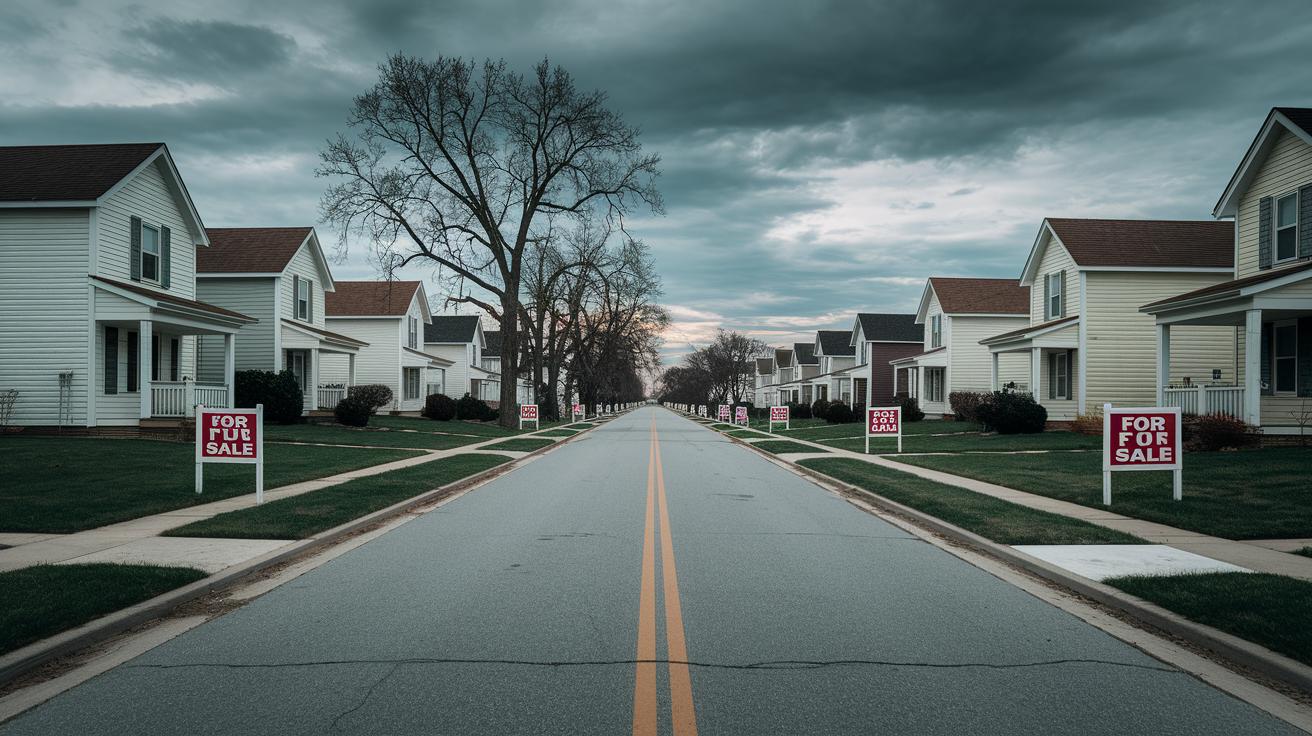
Back in early 2007, warning signals began to appear. Homeowners with risky loans started to struggle with payments, and subprime mortgage defaults steadily increased. This uptick set off a chain reaction of foreclosures, shaking local real estate markets as people lost their homes.
By mid-2008, things took an even sharper turn downhill. Millions of foreclosures hit the market, and home prices started to tumble fast. Imagine a neighborhood where almost every "For Sale" sign felt like a red flag, both sellers and buyers were caught off guard. With each default, it became clear that the roots of the housing crash were deep and spreading rapidly.
Then came September 2008, a month that left a lasting mark on financial history. When Lehman Brothers went bankrupt, it sent shockwaves through global markets. Confidence crumbled, and home prices continued to fall into late 2008, deepening the overall crisis. It was a swift shift from optimism to distress, reshaping lending practices and how risks were assessed, and it forever changed the economic landscape.
Financial Instruments and Risk Failures in the Housing Market Crash 2008
Banks put together bundles of high-risk home loans into what they called mortgage-backed securities. They thought that by mixing lots of loans, the risks would cancel out. But here's the catch: many of those loans came from people who barely managed to make their payments. Even though rating agencies gave these securities AAA grades, the shiny ratings just hid the real danger brewing underneath.
Then came synthetic collateralized debt obligations. Instead of dealing with actual home loans, these products played a sort of betting game on how the mortgage-backed securities would do. This allowed banks to stretch their exposure to failing subprime mortgages without actually holding more bad loans. It was like adding fuel to an already small fire, making the situation even riskier when people began to miss their payments.
As more borrowers defaulted, the whole system started to crumble. Suddenly, the high ratings didn’t mean anything when home values began dropping fast. Almost overnight, these securities lost their market value, and major investment banks were hit with huge losses. This quick fall sparked a severe liquidity crunch that banks struggled to survive.
Investors were caught off guard by the complexity of these products. The tangled nature of synthetic CDOs made it hard for even the experts to see just how much risk was hidden inside. When the underlying loans started failing, these once-profitable investments quickly turned into heavy burdens, deepening the financial chaos.
In short, the mix of risky securitization, overly optimistic ratings, and complex financial products turned what could have been local housing losses into a massive, far-reaching crisis. It was a harsh lesson on how a misjudgment in risk management can ripple out and shake the whole financial world.
Housing market crash 2008: Resilience and Growth
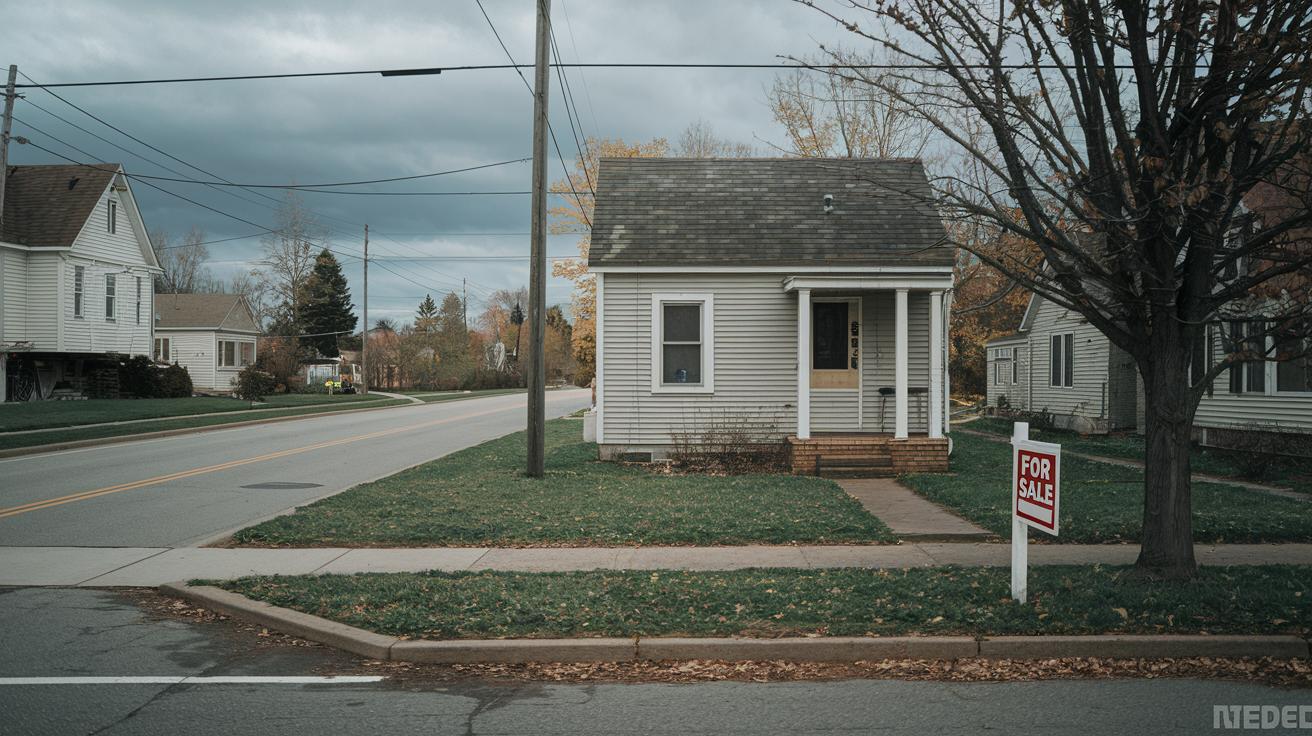
Many years before the crash hit, the government removed several safety rules from the mortgage market. With fewer checks in place, banks began giving out risky loans without enough backup cash. This loose oversight made it easier for bad lending habits to spread, and soon the housing market felt the pressure.
Lending rules got so relaxed that both borrowers and banks ended up in trouble. Banks handed out loans that many families simply couldn’t afford, creating a setting where harmful practices took root. When the bubble finally burst, the impact was harsh, small neighborhoods felt it like a trap, and the shock waves reached across local economies, shaking up the entire financial system.
Federal authorities quickly stepped in to help. In October 2008, TARP bailouts poured much-needed cash into struggling banks, stopping an even deeper collapse. Then in 2010, new rules were put in place to tighten mortgage standards and boost oversight. These changes slowly rebuilt trust in the market, setting the stage for a more careful and resilient housing sector.
Foreclosures and Home Value Declines in the Housing Market Crash 2008
Our timeline already covers a lot of the numbers on the rise in foreclosures and the swift drop in home values. Here, we’re taking a closer look at how some areas and families felt these effects even more deeply.
In several local communities, house values fell by 20–30%, which didn't just wipe out equity, it turned financial stability on its head. For instance, picture one area where familiar neighborhoods saw home prices nosedive nearly 25% over a few years. What once felt like a secure investment suddenly became a heavy financial burden.
And in regions hit hardest by the downturn, many families watched years of hard work evaporate as their home values plunged into negative equity. Think about a family whose cherished home is now worth less than half of what they paid. This dramatic shift forced local businesses to rethink their strategies as spending power dwindled.
These personal stories bring added depth to the overall picture of the crash, connecting individual struggles with the broader collapse of the market.
Housing market crash 2008: Resilience and Growth

When the market crashed in 2008, banks learned a hard lesson. They started checking every detail of a person's finances before handing out a loan, kind of like giving everything a thorough once-over before taking a big jump.
At the same time, new tools like quantitative easing and fiscal stimulus stepped in to kickstart the economy. Imagine a local bank shifting from panic to a more careful approach; it shows how smart moves can help steady the ship, even after tough times.
Banking rules also got a serious update to keep lending clear and safe. Now, banks are held more accountable, and every loan decision is made with care to build a stronger system.
By putting better checks in place, using smart economic policies, and enforcing tighter rules, the financial world has mended some of its old cracks and set the stage for steady growth.
Final Words
in the action, our discussion covered the chain reaction that led to the housing market crash 2008. We looked at how loose credit and risky lending played their parts, while shifts in policy and mounting foreclosures deepened the downturn.
The analysis shows that smarter rules and clear risk checks eventually steered the market toward recovery. The journey reminds us that learning from past mistakes paves the way for brighter financial decisions ahead.
FAQ
Housing market crash 2008 explained
The housing market crash of 2008 happened when too many borrowers took on risky, adjustable-rate loans. Easy credit and risky lending created a bubble that burst, leading to falling home prices and many foreclosures.
What caused the financial crisis of 2008?
The financial crisis stemmed from poor lending standards, risky subprime mortgages, and flawed financial instruments that spread high risk, ultimately triggering widespread defaults and a collapse in home values.
How does the 2008 market crash differ from the housing market in 2022?
In 2008, loose lending and risky mortgage practices led to a dramatic collapse, while by 2022, tighter regulations and stricter loan standards helped stabilize home prices and avoid a similar meltdown.
What is a subprime mortgage?
A subprime mortgage is a loan given to borrowers with lower credit scores. They carry higher interest rates and risky terms, which contributed to the housing crisis when many borrowers struggled to repay their loans.
What was the housing bubble in 2008?
The housing bubble was a period of rapidly rising home prices fueled by easy borrowing and risky loans. When borrowers couldn’t pay back their loans, the bubble burst, causing prices to fall sharply.
When did the housing market begin to show signs of trouble?
Rising defaults on subprime mortgages started in early 2007, setting off a chain reaction that escalated into a full-blown crisis by late 2008.
What is the subprime mortgage crisis?
The subprime mortgage crisis refers to the surge in defaults on risky home loans made to lower-credit borrowers, which amplified losses at banks and played a key role in the overall financial collapse of the era.
How much did home prices crash in 2008?
Home prices dropped by roughly 20–30% during the crisis, severely eroding household wealth and contributing to a widespread downturn in the real estate market.
How much did rent prices drop in 2008?
Rent prices did not fall as sharply as home prices during the 2008 crisis. Regional differences meant that rent declines varied, typically remaining more stable than the dramatic drop in property values.
How does the 2008 crash compare to crises like the Great Depression or Black Monday?
The 2008 crash was focused on housing and mortgage lending, unlike the Great Depression or Black Monday, which were tied more to broad economic collapse and stock market plunges.


