Have you ever wondered if gold is really as safe as everyone says? Lately, its price has been hovering around $3,400 per troy ounce after some strong highs, leaving folks to wonder if its appeal is fading a bit.
Think of it like a swing that slows right at the top before gaining momentum again. That’s the feeling we’re getting from recent trends.
Today, we’re taking a friendly look at daily numbers and global happenings that hint at some bright opportunities for gold.
Stick with us, and let’s see how these shifts might shape your next move in the gold market.
Comprehensive Gold Market Trends Overview
Right now, gold is trading just above $3,400 per troy ounce, after hitting about $3,440 during its recent multi-week highs. The market seems to be taking a breather as renewed selling pressure slows things down. Imagine a roller coaster that eases off at the top before picking up speed again, that’s a bit like what’s happening with gold.
Daily technical indicators still show positive vibes, meaning that although there's been a little pullback, the overall setup remains strong. Some tools like the RSI (which helps us gauge if the market is overbought or oversold) and the EMA50 suggest that $3,400 is a solid support level. At the same time, they remind us to keep an eye on upcoming resistance points. Think of it like tuning a musical instrument: a few off notes might show up, but the melody remains promising, hinting at good buying chances if prices drop a bit more.
The drivers behind gold’s price are a mix of economic policy changes, global events, and investor mood. Gold's reputation as a safe haven really shines during times of economic uncertainty and policy shifts from central banks. For instance, the recent US–Japan trade deal adds an interesting twist, it boosts trade optimism while softening gold’s pull as a refuge. Moreover, important economic reports like the US CPI and Nonfarm Payrolls play a role in both short-term price moves and longer-term trends. All these factors together suggest there could be bright opportunities ahead for those keeping a close eye on the gold market.
Historical Gold Price Analysis: Trends and Performance
Gold surprised many in early 2025 by trading above $3,000 per ounce and then climbing to around $3,440 over several weeks. It was like watching a ship glide past familiar landmarks; investors couldn’t help but notice how quickly gold broke through old limits and ventured into new territory.
For a few years now, gold has followed a steady upward path, outlasting many other assets. Imagine watching a tree slowly grow stronger each year, gold’s slow, steady climb has given investors a bit of hope in uncertain times, hinting at a future with even higher levels.
And there’s more to it. Structural forces such as fiscal weaknesses and central bank moves toward diversifying their holdings have helped keep gold’s value high compared to the days before 2020. These forces act like a solid foundation, making gold an appealing option for those eager to protect their wealth as the economy keeps shifting.
Economic and Geopolitical Factors Impacting Gold Market Trends
Monetary policy is stirring up fresh energy in the market. The Fed and ECB are hinting at easing, which means holding gold might cost less in these uncertain times. Think about it, before these moves, investors had to pay extra, but even a slight easing can flip everything overnight.
The US–Japan trade deal, complete with a 15% reciprocal tariff, adds another twist to the story. While some folks believe that strong trade data could undercut gold’s old safe-haven appeal, others see this as a sign of more balanced growth ahead. For example, imagine a headline saying a 15% tariff might seem steep but actually opens up a more competitive market.
Economic indicators like the US CPI and Nonfarm Payroll numbers keep pushing gold prices in the short term. A small uptick in these figures often nudges investors towards gold as a kind of safety net. Picture it this way, a tiny change in inflation stats might just kickstart a fresh wave of gold buying.
WTI oil is also playing a key role in shaping overall investor strategies. Trading around $65.30 ahead of new EIA data, oil prices provide a clear sign of how interconnected our markets have become. Think of it as a reminder that energy and gold often share the same steady beat.
Forecast Models for Gold Future Predictions
Short-Term Projections
Between 2025 and 2026, experts are nudging their gold price forecasts upward. They see solid buying from central banks and a bit of uncertainty in overall growth pushing gold prices to somewhere between $3,500 and $3,700 per ounce by the close of 2025. Imagine a bustling market where every decision by a buyer adds to the lively chatter. Here, more central bank buying and extra investor interest are painting a brighter picture for the near future. Sure, economic changes and surprising new data might cause a few bumps along the road, but overall, the mood is cautiously upbeat. Even small dips could present good chances for newcomers, with technical signs hinting that prices might steadily climb.
Long-Term Projections
Looking out from 2027 to 2030, the long view on gold stays positive, though it hangs on to some risks linked to inflation and shifts in monetary policy. Think of gold like an old, sturdy tree that holds strong despite the occasional storm. Long-lasting issues such as ongoing fiscal challenges and varied strategies from central banks keep supporting gold’s value over time. That said, if global tensions ease and central banks slow down their buying, prices might take a slight downturn. Some experts even hint at a minor bearish trend under those conditions. Still, most market watchers stick to a bullish view because they believe gold will continue to be a safe haven and a solid hedge against uncertain economic times.
Gold Supply, Demand Dynamics and Central Bank Demand
Central banks in countries like China and India have been slowly adding more gold to their reserves. They do this as part of a broader plan to mix up their investments. Their steady buying helps keep the market stable. But if these central banks decide to cut back or take a break from buying, it might shift gold prices in unexpected ways. Investors watch these moves very closely because they often hint at the overall health of the economy, especially when things get a bit rough.
On the supply side, factors such as how much gold is mined and the amount stored in inventories are vital in keeping the market balanced. Meanwhile, demand remains strong. Big institutions pick gold for its safety as a long-term investment, and everyday buyers are drawn to it because it adds variety to their portfolios. When production levels or buyer moods change, even small shifts can tip the delicate balance between supply and demand.
| Key Factor |
|---|
| Central bank diversification of reserves |
| Variations in gold mining output |
| Changes in inventory levels |
| Trends among institutional investors |
| Shifts in retail buyer demand |
Technical Analysis Indicators for Gold Market Trends

Technical analysis is like having your personal roadmap for navigating gold's ups and downs. With the help of charting software and key indicators, traders can get a feel for when gold might bounce back or run into a tough spot.
First off, one big indicator to watch is the breakout above the $3,368–3,370 range. When gold pushes past this level, it gives bullish traders a boost of confidence, hinting at a stronger upward move.
Next, moving beyond $3,400 often points to a good moment on pullbacks. Essentially, even if the price dips a bit, it could be a chance for buyers to jump in at a better price before gold continues its climb.
Finally, pairing the RSI with the EMA50 is super helpful. These signals work together to show dynamic support levels. They can indicate when gold shifts from being overbought to a more welcoming zone for new buyers, especially around the EMA50.
Across American, Asian, and European sessions, these technical signals change their tune. During the American session, the EMA50 usually gives solid support while resistance hangs around $3,400 and $3,365. In Asian markets, small wiggles in the RSI suggest calm periods before any potential dips. Over in Europe, the mix of these indicators paints a picture of volatility that might just open up fresh buying chances.
In short, watching these session-based signals helps traders adapt their strategies to match gold's natural rhythm. It's all about understanding the market's pulse and making smart, confident moves.
Gold as a Safe-Haven Asset: Market Sentiment and Risk Factors
Gold has always been seen as a reliable refuge in uneasy times. Recently, worries in the Middle East and election uncertainties have nudged many investors toward gold, using it like a safety net when markets feel shaky. People keep a close eye on global news because even a small headline can quickly change how everyone feels about the market.
Currency moves on the forex market also play a big role in shaping how people feel about gold. For example, with the EUR/USD in the low 1.1700s, GBP/USD above 1.3500, and USD/JPY around 146.60, these shifts in currency values can really affect gold’s demand. Investors worry about inflation and policy changes, which add to the overall market jitters. Even tiny changes in the forex market can ripple through and impact how much gold investors want to buy.
- Geopolitical tension pushing investors toward safe-haven assets
- Shifts in currency values influencing gold demand
- Concerns about inflation and policy changes affecting investor confidence
By keeping an eye on these factors, investors can better understand gold trends and weigh chances and risks during uncertain economic times.
Emerging Trends in Digital and Innovative Gold Trading Platforms
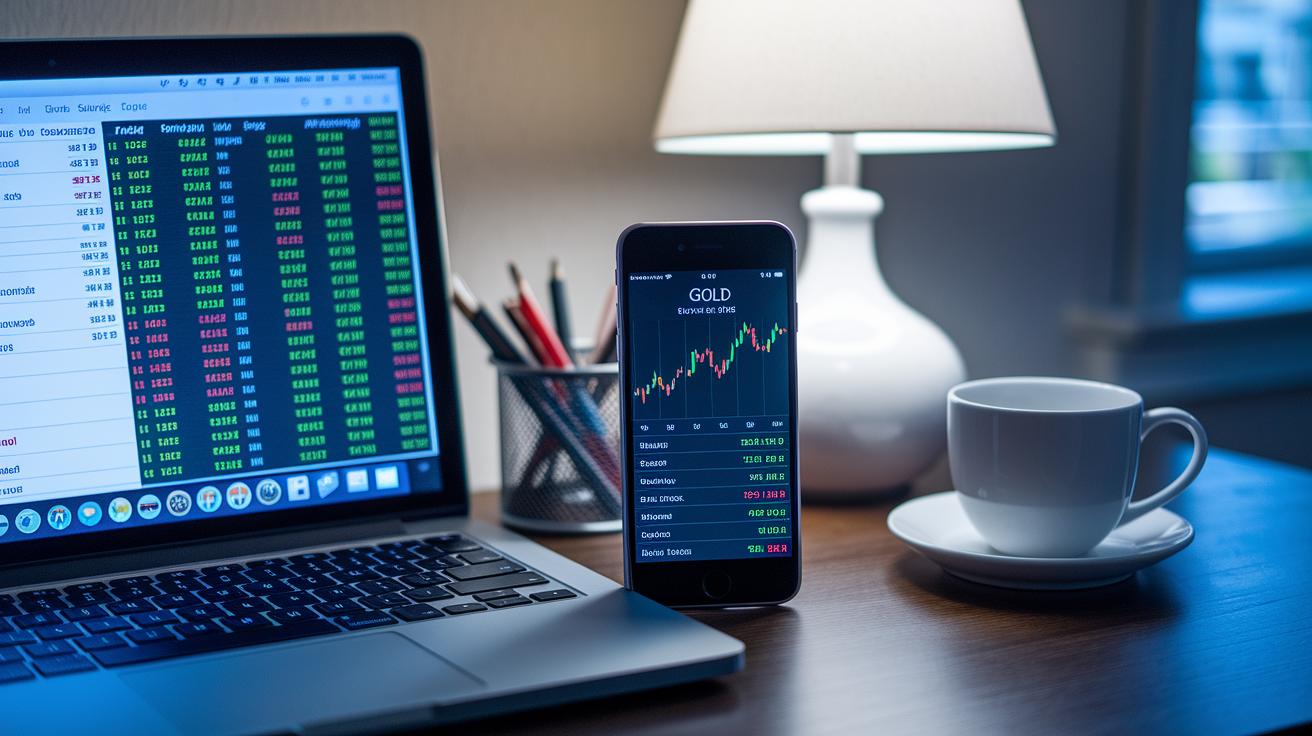
Online platforms give you instant access to up-to-date gold prices on special commodity pages. Mobile apps and websites show live data around the clock so you can follow price shifts as they occur. Imagine checking your app and seeing real-time updates, like watching numbers change on a digital scoreboard.
Today’s trading tools also include smart algorithm signals and automated alerts that work quietly in the background. They keep an eye on market activity and let you know when key conditions are met. Picture it like getting a little nudge when the market hits a set level, almost like a silent partner reminding you of a golden opportunity.
Even with all these cool features, it’s important to note the risks with CFDs. Studies show that many retail investors struggle and that a high percentage end up losing money. Think of it as using a powerful tool that you must handle with care and respect every step of the way.
Final Words
In the action, we covered gold market trends from price moves to technical signals, historical shifts, and macro factors that shape investor sentiment. The post broke down key price points, safe-haven allure, and even how digital tools now drive trade decisions.
We wrapped up with detailed forecasts and a look at supply-demand dynamics that add depth to market readings. Keep an eye on the evolving gold market trends, it’s a space that continues to spark hope and opportunity.
FAQ
What are the current trends and future outlook for gold?
The current gold market trends indicate a safe-haven appeal with modest price fluctuations, and forecasts for 2025 suggest that despite short-term dips, economic uncertainties continue to support a generally positive long-term outlook.
What does gold’s 10-year price history show?
The 10-year gold price history shows steady support at key levels with periods of volatility, as geopolitical tensions and economic shifts have consistently driven its value higher over time.
What is the state of the gold stock market?
The gold stock market reflects investor sentiment during uncertain times, with mining companies and related stocks responding to shifts in gold prices and global economic events.
What is the current live price of 1 oz of gold in USD?
The live price for 1 oz of gold is around $3,400, with real-time charts providing investors up-to-date pricing information amid ongoing market fluctuations.


