Ever notice how some investors seem to shine during tough market times while others struggle? Gold, you know, can smooth out those ups and downs and add a steady, safe touch to your portfolio.
It’s simple. Mixing physical gold with things like ETFs or mining shares helps you get steady gains, even when the numbers get a little wild. Picture it as not putting all your eggs in one basket, a blend where each part supports the other.
In this piece, we chat about how a smart mix of strategy and market hints might boost your financial gains and create a stronger, more balanced investment setup. Intriguing, right?
Essential Gold Investment Strategies for Portfolio Growth
Investing in gold today is much more than just buying coins or bars. Many investors mix physical gold with other forms like ETFs backed by bullion, shares in mining companies, and even contracts like futures, options, or swaps. This variety not only helps to safeguard your money but also opens up chances for big gains when markets are unpredictable.
Using technical analysis can make a big difference, too. Tools like support and resistance levels, simple moving averages, and RSI signals help you figure out the best times to buy or sell. For example, when a short-term average passes over a long-term one, it often shows a shift in market mood. These hints can be really useful for deciding when to adjust your gold holdings.
Big picture factors also play a crucial role. Watching real interest rates, the strength of the US dollar, oil prices, and inflation can give you clues about how gold prices might change. Experts often suggest keeping about 5 to 15% of your portfolio in gold as a hedge against inflation. When things get really rough in the market, some even recommend increasing that share to 20–30%.
Mixing these different strategies helps spread out risk. Combining physical gold, paper gold, and even some derivative instruments can protect your investments while working toward solid long-term returns. By crafting a plan that blends technical signals with broader economic trends, you’re setting yourself up to ride out uncertainties and aim for steady growth.
Physical Gold Acquisition Strategies within Gold Investment Strategies
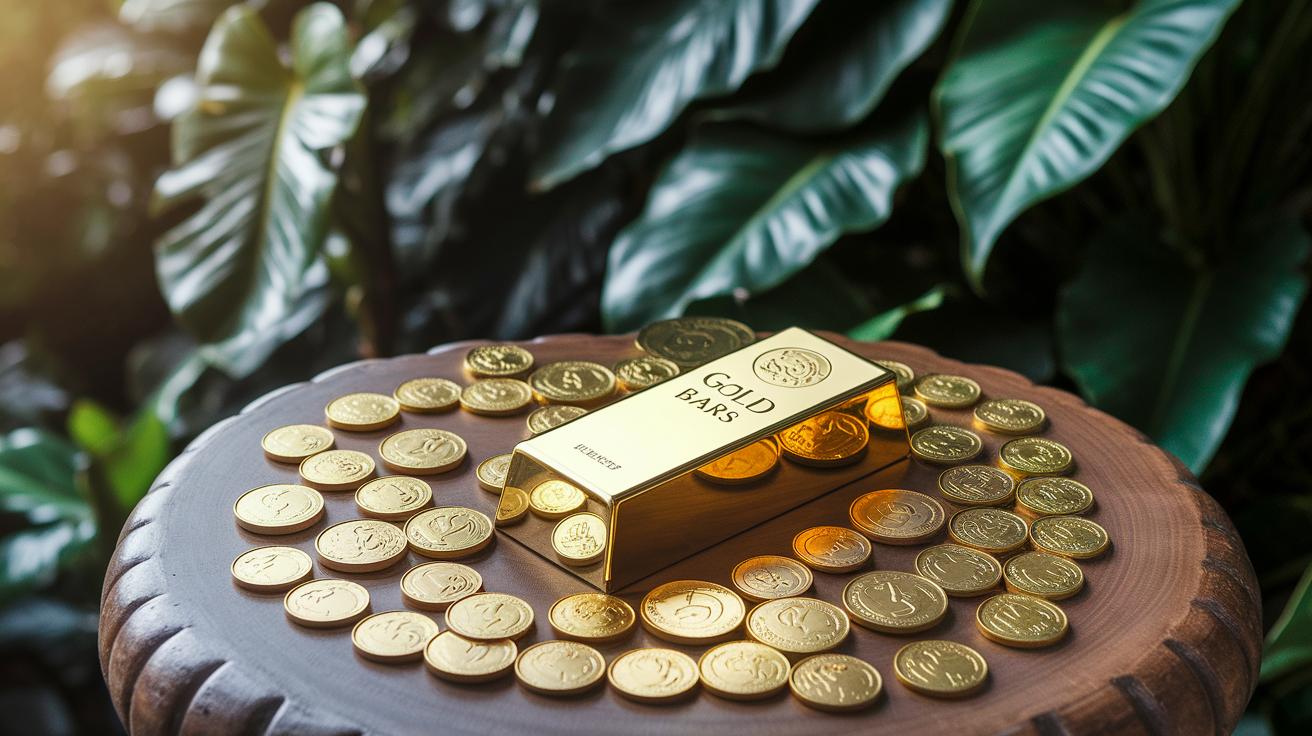
If you’re thinking about buying physical gold, you’re choosing a real asset you can hold. It’s important to verify each piece and keep a close eye on costs. Many investors pick popular options like 1oz, 100g, or 1kg bars, along with coins such as American Eagles and Canadian Maple Leafs. Always check the hallmarks and serial numbers with a trusted dealer to be sure the gold is genuine and uniquely identified.
Storage is another big piece of the puzzle. A lot of people prefer off-site vaults because they come with insured protection. Just remember that storage fees usually run between 0.3% and 0.5% of the gold’s value each year, so it’s smart to factor that into your overall plan.
Here’s a simple step-by-step guide to get you started:
| Step | What to Do |
|---|---|
| 1 | Choose your gold preference: bar or coin (like 1oz, 100g, or 1kg) |
| 2 | Find a reputable dealer who provides serial-numbered allocation |
| 3 | Confirm authenticity with hallmarks and proper assay certificates |
| 4 | Arrange for insured storage and compare different vault fee options |
| 5 | Plan delivery dates carefully (note that service pauses from December 20 to January 5) |
| 6 | Review the insurance details and understand the claims process |
You can place orders online anytime, and if you need a hand, you can call 020 7060 9992 or email them. Keeping these tips in mind will help you secure your physical gold investment with confidence while managing extra costs along the way.
Exchange-Traded Fund Approaches for Precious Exposure in Gold Investment Strategies
Gold ETFs are a popular way to get a taste of precious metals without the hassle of storing actual gold. They work like regular stocks, letting you buy and sell throughout the day. The gold is stored securely in vaults, and the management fees cover storage and insurance costs. It’s neat to remember that while these fees are part of the expense ratios, any gains are taxed as collectibles if you hold them for more than a year, adding another factor to think about when planning your strategy.
Using ETFs is a smart move for diversifying your gold investments. They combine the benefits of owning gold with the ease of market trading. This means you can quickly adjust your exposure if, say, interest rates change or the strength of the dollar shifts. Whether you're a seasoned investor or just curious about gold, these funds offer a simple and efficient route to join the gold market.
| ETF Name | Expense Ratio | AUM | Tracking Method |
|---|---|---|---|
| SPDR Gold Shares (GLD) | 0.40% | $70 B | Allocated bullion |
| iShares Gold Trust (IAU) | 0.25% | $50 B | Allocated bullion |
| Aberdeen Physical Gold Shares (SIVR) | 0.17% | $3 B | Allocated bullion |
This hands-on approach to gold lets you enjoy market liquidity while benefitting from the solid backing of physical bullion. It’s like having the security of a vault without ever leaving your desk. By sticking to competitive fees and solid asset backing, these ETFs offer an easy way to manage risk and work toward steady financial gains.
Mining Stock Selection Insights for Gold Investment Strategies

Evaluating Company Fundamentals
When you're looking at gold mining stocks, it helps to keep an eye on some key financial numbers. You want to check out the price to earnings (P/E) ratio, which basically tells you how the market values a company compared to what it earns. Also, look at how much it costs per ounce of gold produced; lower costs often mean better profit margins. Another important detail is the reserve life, which shows how long the company can keep mining gold under current conditions. For example, if a company has a long reserve life and low production costs, it could be set up for steady, long-term growth.
Assessing Geopolitical and Operational Risks
Mining isn’t just about digging up gold, it comes with its fair share of challenges. There are plenty of factors that can throw a wrench in the works, like tough permitting rules and ever-changing local regulations. Then there’s the risk of political instability; if a company operates in a turbulent area, it’s more likely to face delays and unexpected costs. And don’t forget about issues with infrastructure and labor, which can add even more uncertainty. Always think about how these local problems might mix with the ups and downs of gold prices to impact a company’s overall performance.
Diversifying Mining Equity Exposure
It’s smart not to put all your eggs in one basket. A diverse mix of mining companies can help keep your portfolio balanced. Big players like Barrick and Newmont usually offer solid stability and steady dividends, while mid-tier and junior miners might give you a chance at bigger gains, if you can handle a bit more risk. By spreading your investments across large, mid, and small-cap miners, you reduce the chance that problems at just one company will hurt your overall returns. This variety helps you capture different opportunities in the market and can cushion the blow when gold prices fluctuate or when unexpected operational issues pop up.
Market Timing and Analytical Tools for Gold Investment Strategies
When you're looking to invest in gold, a mix of technical signals and economic clues can guide your timing. Picture it like tuning in to the steady pulse of the market. Tools such as the 50/200-day moving averages and RSI levels help you see if gold might be too expensive or priced just right. Alongside these, big-picture factors like shifts in US Treasury yields, movements in the US dollar, changes in oil prices, headline CPI inflation, and even how gold futures behave (think backwardation and contango) all add to the story. Sometimes, a trader might say, "When the short-term moving average climbs above the long-term one and Treasury yields shift, it's like the market softly nudging us to adjust our entry."
Digital platforms are also reshaping the gold investment scene. Nowadays, tokenized gold apps and blockchain-based tokens let you own small pieces of gold and trade around the clock. These fresh tools open up quick and clear ways to trade, even though they bring along new cybersecurity alerts and regulatory puzzles that are different from the old ways of gold trading.
| Indicator Type | Example |
|---|---|
| Technical | 50/200-day moving averages, RSI levels, chart patterns |
| Macroeconomic | US Treasury yields, US dollar trends, oil prices, inflation, futures structure |
| Digital Platforms | Tokenized gold apps, blockchain tokens, cybersecurity and regulatory challenges |
Risk Management and Portfolio Diversification with Gold Investment Strategies
It's smart to keep some cash on hand, like having a little emergency fund ready for market dips. Imagine you're at a store, eagerly waiting for a flash sale, you need that extra cash to grab a good deal when prices drop, rather than selling your gold at a loss.
Gold often moves in a different direction than stocks. When stock prices fall, gold might hold steady or even go up, easing the hit on your overall portfolio. It’s like having a trusty cushion to soften those market falls.
Cost, Tax, and Storage Considerations in Gold Investment Strategies
When it comes to recurring costs, they usually pop up in two main ways. If you opt for physical gold, you'll face storage and insurance fees that can run between 0.3% and 0.5% every year. But if you choose a gold ETF, those fees are wrapped into an expense ratio of around 0.17% to 0.40%. Funny enough, many investors don’t realize that with ETFs, you’re not handling storage fees separately, they’re already part of the package.
Next, trading costs matter too. Every time you buy or sell, you’ll encounter trading charges and dealer premiums that add roughly 1% to 3% above the spot price. Imagine picking up a gold coin and noticing that little extra cost; over multiple trades, these small nudges can really add up.
Tax treatment plays a big role as well. If you hold your gold for more than a year, it’s taxed at collectible rates, which can hit up to 28%. But if you sell sooner, the gains come under ordinary income rates. It’s a bit like storing a precious item in a safe, the longer you keep it, the tax impact on your returns can change.
Final Words
In the action, we covered practical ways to add gold to your portfolio, from buying physical bars and coins to considering ETFs and mining stocks. We broke down key steps, technical signals, cost details, and tax issues that shape a well-rounded approach. Each part of the guide offers simple tactics to manage risk and seize opportunities when market trends shift. Keep building on these insights and stay ready to adjust your mix for lasting portfolio strength with gold investment strategies.
FAQ
What are gold investment strategies for beginners?
The gold investment strategies for beginners typically involve allocating a small part of your portfolio to gold via physical bullion, ETFs, or mining stocks, offering a hedge against market shifts.
What is the best strategy or method for buying gold?
The best gold investment approach often blends physical bullion, ETFs, and mining stocks based on risk tolerance, ensuring diversification that can help cushion against price volatility.
How can beginners invest in gold, especially with little money?
The ways to invest in gold for beginners with limited funds include using low-capital options like gold ETFs or fractional gold ownership, which provide liquidity and exposure to gold’s defensive qualities.
What are the disadvantages of investing in gold?
The disadvantages of investing in gold include storage and insurance costs, no dividend yield, and potential underperformance during strong economic growth relative to other investments.
What is a gold ETF?
The concept of a gold ETF means you gain exposure to gold without holding physical bullion. These funds store allocated gold, charge low fees, and offer liquidity similar to stocks.
How do I invest in gold stocks?
The approach to investing in gold stocks involves selecting mining companies with robust financials and production profiles. This method links gold price movements with company performance for a balanced exposure.
What does the gold price indicate?
The gold price indicates the market’s supply-demand balance, influenced by economic data, currency values, and inflation expectations. It serves as a useful gauge of broader market sentiment.
How much gold can I buy with $1000?
The amount of gold you can buy with $1000 depends on current market prices and dealer premiums, typically allowing you to purchase between a fraction of an ounce to a full ounce of gold.
What is the most cost-effective way to invest in gold?
The most cost-effective method for gold investment is often via low-fee gold ETFs, which offer exposure to physical gold while minimizing extra costs like storage and handling fees.


