Ever wonder why your grocery bill can change so much from week to week? It all comes down to things like politics, weather, and new trade rules that mix together to shape the story behind food prices. One conflict on the other side of the world can end up affecting what's on your plate, while fresh tech makes moving goods faster and smoother. Global trade is moving in a way that feels both wild and steady. Here, we take a look at how food markets juggle challenges and opportunities to meet the growing demand for food worldwide.
Global Food Markets Overview & Key Drivers
Global food markets are trying to balance supply and demand even while facing ongoing challenges. We have enough production to meet a growing need, and distribution is slowly getting better at matching what consumers want. New efficiencies crossing borders are helping markets adjust over time.
Geopolitical shocks have made these markets less predictable. For example, Russia’s invasion of Ukraine disrupted key exports like wheat, maize, oilseeds, and fertilizer, which pushed prices higher. Around mid-March 2024, tensions peaked during a dispute over renewing the Black Sea Grain Initiative, Russia even threatened to pull out before agreeing to a two-month extension.
- Political conflicts are changing trade routes
- Shifts in weather impact crop yields and harvest cycles
- Updates in trade policies are altering market access and tariffs
- Advances in agri-tech are boosting efficiency in production and distribution
- Changing consumer tastes around the world are reshaping demand
Looking ahead, price forecasts are cautiously optimistic. The April 2023 World Bank Commodity Markets Outlook suggests that global food prices may drop about 7% compared to 2022. Grain prices might fall by around 10% and oilseed prices by 14% if no more shocks hit. Still, experts warn that any further disruptions, from new policies or unexpected supply issues, could quickly unsettle the current balance and send ripples through international food supplies.
Regional Food Market Trends in Global Food Markets

In Africa, Asia, and Latin America, fresh produce distribution still faces real hurdles as the organic market tries to grow. Smallholder farmers often battle clunky transport systems and shaky pricing. Recently, changes in tariffs in parts of Asia and Latin America have made accessing the market even trickier. Studies show that while organic trade has bright potential, the real snag is in streamlining how products get from the farm to the table.
Across these regions, more people are looking for foods that fit their ethnic tastes and plant-based lifestyles. This means farmers and sellers are changing things up, offering new and unique flavors alongside healthier options. Imagine a marketplace where you can explore not just your everyday veggies but also discover innovative, plant-based delights that mirror traditional flavors. It’s this shift that’s quietly transforming how these markets operate.
Food security remains a pressing concern too. Take a look at Uganda’s dairy sector, where a recent study pointed out serious issues like distribution gaps and pricing mismatches that hurt small farmers' earnings. There are even areas, like tick-control practices, where weak rules mean quality isn’t always guaranteed. These problems make it clear that stronger market guidelines are needed to boost food security and help build a fair and robust food system for the region.
Pricing Models & Trade Dynamics in Global Food Markets
Big global events, like the conflict in Ukraine and fertilizer shortages, are shaking up how grains and oilseeds are priced. These issues have sent shockwaves that lead to unexpected price swings, leaving producers to deal with sudden cost changes and a lot of uncertainty. When export rules shift in a snap, traders find it hard to lock in steady prices, it's a bit like watching a roller coaster of market moods.
In places like Southeast Asia and sub-Saharan Africa, changing diets are sparking a shift in import habits. As incomes climb and tastes evolve, people are turning to a wider range of food instead of sticking only to traditional staples. This growing appetite for variety isn’t just about more mouths to feed, it’s also about a new wave of curiosity for different flavors. Market players are rethinking where they get their supplies, which is slowly opening up fresh avenues and encouraging smarter distribution methods.
Other factors, such as fluctuating exchange rates, higher transport costs, and occasional hiccups in supply chains, add extra layers to the pricing puzzle. When fuel prices surge, delivery costs go up too, making the whole situation even trickier. All these elements mix together to create a web of risks that everyone in the food trade has to navigate. Traders, producers, and policymakers need to keep a close eye on these shifts to know when the market might take another unexpected turn.
Forecasts & Future Risks in Global Food Markets

The April 2024 World Bank Commodity Markets Outlook uses six detailed charts to show important near-term supply and price risks. These charts make it clear that global food markets are facing wild ups and downs. Weather extremes, like heavy rains and long droughts, are putting a lot of strain on our food production. Plus, issues with moving goods around are starting to push up the prices of processed foods. The report reminds us to keep an eye on food security as these shifts take hold.
Looking ahead, long-term risks add another layer of worry. Climate trends indicate that droughts might hit areas like the Mediterranean, southern Africa, and parts of the western United States more often. Meanwhile, extreme rainfall can damage infrastructure, creating extra problems. This mix of challenges makes the availability of food even more unpredictable. On top of that, rising costs for things like packaging and transport, due to ongoing supply-chain hiccups, could lead to big price swings around the world.
| Risk Type | Projected Impact | Regions Affected |
|---|---|---|
| Climate Variability | More severe drought and rainfall extremes | Mediterranean, southern Africa, western US |
| Supply-Chain Disruptions | Higher costs and delays | Global trade hubs |
| Processed Goods Constraints | Rising packaging and shipping expenses | Developing markets, urban centers |
Going forward, these trends point to a near-term future where processed and staple foods are affected by sudden shocks and market adjustments from within. Experts say that thoughtful planning is key to keeping food prices steady, ensuring that food security challenges are met with smart policies and adaptive trade practices.
Regulatory & Safety Standards in Global Food Markets
Global regulators are now blending digital monitoring with big data analytics to keep our food safe. In many regions, new laws use real-time information to speed up inspection routines. Did you know that recent data shows nearly a 30% drop in foodborne illnesses in areas that use blockchain verification systems? For more details, check out the Food Security and Regulation section.
New tech is changing the way we test food safety. With automated sensors, cloud-based monitoring, and fast digital tests, officials can quickly and accurately check food quality. This modern approach cuts down delays and adds a new level of oversight, building on past case studies.
Updated quality standards now use digital verification and remote inspections to help both food producers and consumers. These measures, backed by new laws, allow for quicker responses and clearer processes, making global food markets more trustworthy.
Global Food Markets: Thriving Trade and Dynamic Trends
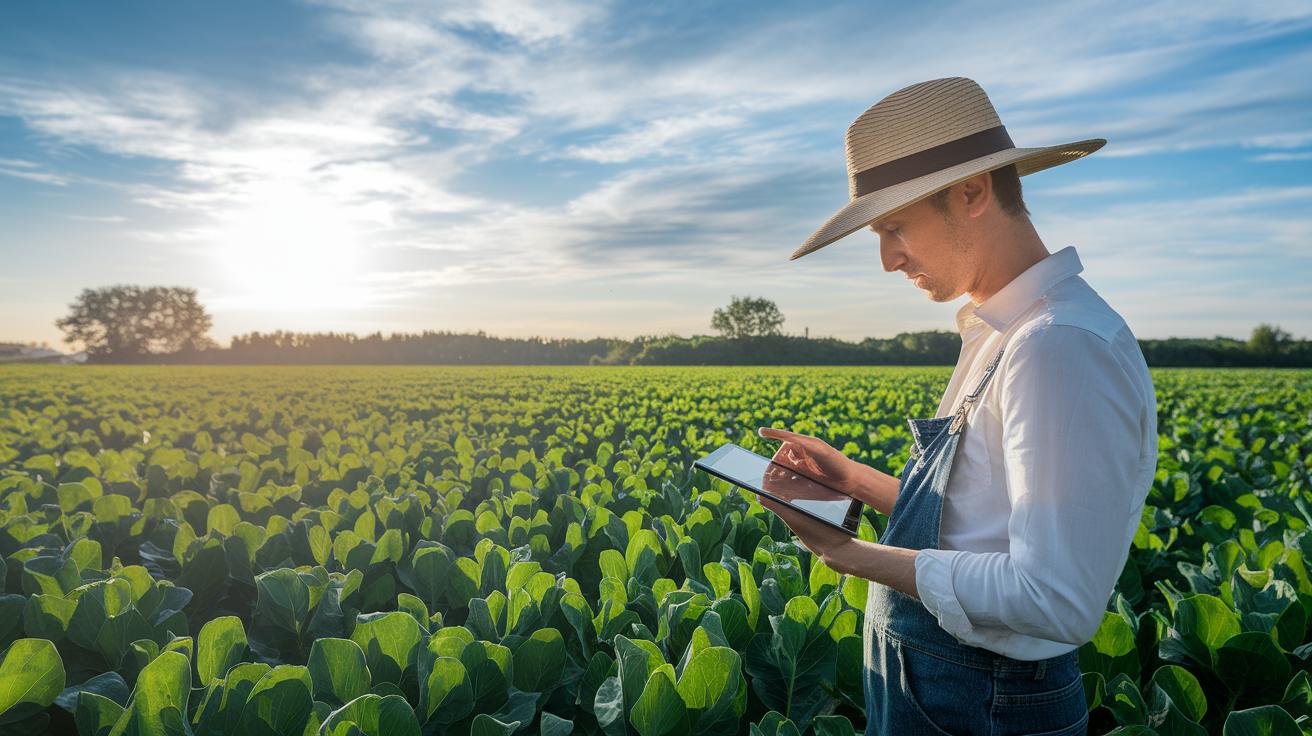
Agritech investments are shaking up food systems in a big way. Digital tools, like smart farming gadgets and handy data apps, give small farmers real-time insights to boost yields and cut waste. Picture a farmer checking sensor data to perfect irrigation, it’s like having a personal guide in the field that opens up fresh pathways for capital and innovation in our food landscape.
Cold-chain and logistics breakthroughs are also adding strength to the market. Automated, temperature-controlled storage systems teamed with real-time tracking mean less spoilage and top-notch quality from start to finish. Imagine smart sensors alerting managers at the slightest change in conditions, prompting quick fixes that keep the entire supply chain steady under pressure.
Public-private partnerships are stepping in to drive inclusive growth and widen market access. Projects like Rethinking Food Markets unite various players, from local groups to government agencies, to experiment with innovative policy ideas, boost incomes, and improve job quality for smallholders and small businesses. Think of a local cooperative teaming up with officials to make market entry smoother. These collaborations are building a robust and sustainable food system for the future.
Final Words
In the action, the blog post took a close look at the shifts reshaping global food markets. We talked about supply and demand challenges, pricing changes linked to geopolitical shocks, and how regional trends and regulatory standards play a role. The analysis also shed light on emerging investment and innovation opportunities. Each section offered clear, relatable insights designed to help make informed decisions. It's a dynamic picture that leaves room for optimism as markets adjust and new strategies emerge.
FAQ
What is the global food market?
The global food market is the worldwide exchange where producers, distributors, and retailers connect, facilitating the trade of food products that support diverse consumption and production systems.
What is the size of the global food industry?
The size of the global food industry reflects vast economic activity measured in the trillions, driven by varied sectors from agriculture to retail, and influenced by global trade and changing consumer habits.
What is the biggest food market in the world and what is the biggest global food company?
The biggest food market often refers to major regions with immense consumer bases, while the largest global food company is a title defined by revenue, vast distribution, and a broad product range.
Where can I find global food markets near popular locations like California, Texas, or near me?
Global food markets are accessible in various regions including California and Texas, with many outlets in local communities providing a diverse range of foods from local specialties to international products.
What are the current trends in global food markets today and in 2022?
Global food markets today and in 2022 have seen shifts in pricing, supply changes, and the influence of geopolitical events, all contributing to evolving consumer preferences and trade practices.
What products are offered by Global Foods, including peanut butter and other items?
Global Foods products include items like peanut butter and a range of other staples and specialty foods, designed to cater to varied tastes while upholding standards of quality and affordability.
Which market names are linked to global food distribution, such as Pan‑Asia Supermarket, United Provisions, Olive Supermarket, MidEast Market, and WorldWide International Food Market?
Names such as Pan‑Asia Supermarket, United Provisions, Olive Supermarket, MidEast Market, and WorldWide International Food Market represent varied outlets that connect local communities with international food selections.


