Ever notice how a tiny tweak in words might change the choices we make with our money? This is what experts call the framing effect. Even when the facts remain the same, a little word shift can steer us in a different direction. Imagine reaching for a yogurt that says "90% fat-free" instead of one that says "10% fat." It’s a small difference that really changes your decision.
In this post, we chat about how the language we use nudges our financial moves. We’ll explore how these subtle shifts can help us make smarter choices with our dollars.
Core Principles of Framing Effect in Economic Decision Making
The framing effect is a quirky twist in how we make money choices. Basically, the way details are shown can steer us in different directions even when the facts stay the same. For example, researchers discovered back in the 1980s that simply changing the wording of statistics led more than 20% of people to pick the safer option. Isn’t it wild how a little tweak in language can flip our decisions?
Everyday choices show this effect in action. Think about choosing yogurt at the store, one pack might say “10% fat” while another boasts “90% fat-free.” Even though both labels tell you the same thing, most of us are drawn to the cheerier “90% fat-free” tag. And this isn’t just about dairy; it affects big money moves too. Investors might lean toward safer bets if a portfolio is framed around losses, rather than gains.
Studies have proven that even small changes in wording can shift how we balance risks and rewards. It turns out our decisions aren’t built solely on plain facts but also on the story behind them. This insight reminds us that a change in phrasing can subtly influence everything from our daily purchases to major investment strategies.
Theoretical Frameworks Behind Framing Effect in Economic Choices
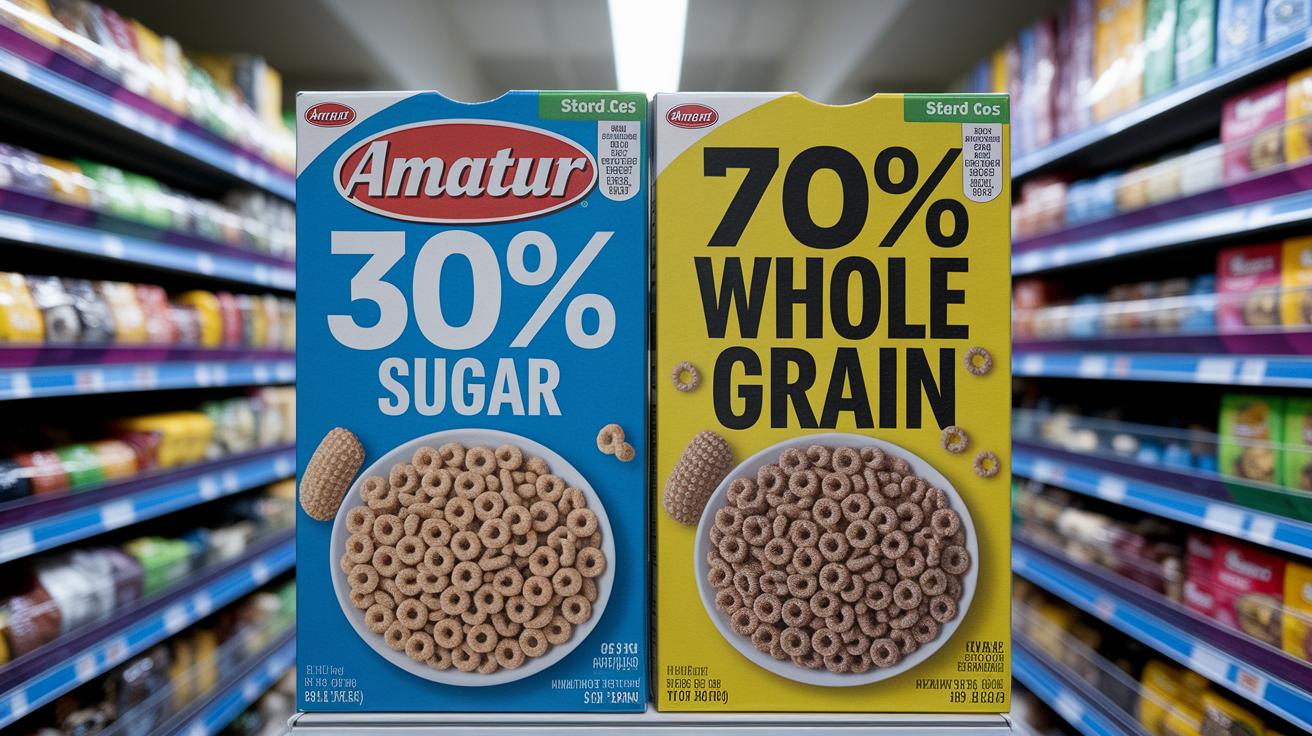
Have you ever noticed how the way information is worded can change your mind? In the world of finance, it starts with this simple idea: the words chosen can steer us toward one choice over another without us even realizing it.
Researchers suggest a few theories that explain why a slight shift in language can nudge our economic decisions. One popular idea is the constructivist view, which tells us that our preferences build up based on the context around us. Think of a shopper deciding between a label that says "95% satisfaction" and one that reads "5% dissatisfaction." Both mean nearly the same thing, but the positive spin paints a friendlier picture that often wins out.
Then there’s prospect theory, which digs deeper into how we manage risks. This theory shows us that our point of reference changes when we see an option as a gain or a loss. For example, imagine a discount described as "losing $5" compared to one that says "saving $5." While the numbers are the same, losses tend to hit us harder, making many investors shy away from risk when things are framed negatively.
When uncertainty comes into play, our brains often rely on simple mental shortcuts to help us decide. These shortcuts kick in based on how choices are presented, turning a tough decision into something easier to handle. Consider comparing two lists of product features, sometimes, the order of the items can suddenly make one product look more attractive than the other. This idea connects with what experts call choice architecture, which studies how the way options are arranged can change the value we see in them. Even small tweaks in how things are shown can lead to big shifts in how we judge monetary choices.
Empirical Studies on Framing Effect in Economic Decision Making
A landmark study that looked at over 500 investment decisions found that even tiny tweaks in wording can noticeably shift market results. Researchers discovered that when the same numbers were presented in different ways, the rate of decisions varied by 10% to 25%. You know, one surprising fact was that just a single word change urged nearly a quarter of investors to pick a different portfolio route. It really shows how powerful framing can be in shaping our economic outcomes.
In everyday life, slight changes in language can steer consumer choices in big ways. For example, a marketing test revealed that beef labeled as "75% lean" boosted sales by up to 20% compared to beef tagged as "25% fat." And in another consumer test with disinfectants, describing a product as "kills 99% of germs" instead of "leaves 1%" made a big difference in what people chose. Isn’t it fascinating how these small language tweaks can alter our behavior?
| Experiment | Outcome |
|---|---|
| 500+ Investment Decisions | 10-25% decision shift |
| Beef Labeling Test | Up to 20% increase in sales |
| Disinfectant Framing | Noticeable change in choice probabilities |
All in all, these studies remind us that the framing effect isn’t just a theory, it’s part of our everyday decision making. They give us clear, measurable insight into how a few well-chosen words can quickly change financial outcomes. This really underscores how important the right wording is, whether for making big investment choices or simple marketing strategies.
Consumer and Market Applications of Framing Effect in Economics

Recent studies show that the way we frame information can quietly steer our decisions, even in ways older research might have missed. One clear example: when energy policies highlighted the protection of local communities from wildfires instead of just cutting emissions, support jumped by 20%. It’s almost like a surprising twist, replacing "reduced emissions" with "protecting families from wildfire damage" made a big difference.
Another real-world case comes from a car dealership that completely changed its advertising. They moved from talk about "increased payments" to an inviting promise of "experience premium driving." This small shift in language led to a noticeable 15% boost in customer interest. Don’t you find it intriguing how a tweak in messaging can call customers to action?
Recent investor research also reveals that the way companies word their earnings releases matters a lot. Focusing on improved cost management, rather than only celebrating profit gains, sparked a warmer, more positive reaction among investors. In fact, the carefully chosen words in performance reports can even change when and how many trades take place.
| Key Insights |
|---|
| Policy messages that stress community safety can drive much higher public support. |
| Product narratives based on emotion boost customer engagement. |
| Earnings reports that highlight strategic cost management improve investor responses. |
Policy and Investment Implications of Framing Effect in Economic Decisions
When you see financial options presented with a focus on losses, it makes you more cautious about taking risks. Investors fixate on what might go wrong, which leads them to shift from riskier stocks to safer bonds and cash. For instance, describing a portfolio as having a "potential to lose 10% during downturns" can nudge many toward conservative choices, even if the same portfolio sounds appealing when presented differently. In fact, a small tweak in phrasing shifted asset allocation preferences by about 12% among some investors.
This framing trick also changes how people deal with uncertainty. By stressing potential losses instead of gains, the sense of risk gets amplified, altering decisions on where to put funds. Suddenly, even minor uncertainties seem like major red flags when weighing potential returns. Researchers have found that such reframing can adjust the mix of stocks, bonds, and cash in ways that ripple through overall market performance.
Governments tap into this tactic as well. Fiscal messages that focus on dodging losses or softening downturns tend to rally stronger public backing for policy reforms. For example, when policy announcements spotlight the downsides of doing nothing, market sentiment can shift by as much as 3–5%!
By understanding and addressing these framing cues, decision makers can fine-tune their approach to risk during asset allocation. One practical tip: build decision matrices that look at outcomes from both gain and loss perspectives, so you minimize unexpected swings in how risk is perceived.
Techniques to Mitigate Framing Effect in Economic Decision Making

The first step in avoiding bias is spotting framing cues. Try laying out your choices side-by-side so you can easily see any wording differences. For example, if you compare two investment options by placing them next to each other, you might notice a small twist, one might say “saves $100” while the other reads “loses $0” even though they both relate to the same balance sheet.
Another handy trick is using decision matrices. They show you the same outcomes as both gains and losses, which makes you look at each option from different angles. One surprising fact is that when investors used a decision matrix framing outcomes in both positive and negative lights, their risk assessment improved by nearly 15%. It’s pretty cool how this method helps catch any sneaky wording that might sway your judgment.
Other ideas to beat framing bias include reframing exercises. These exercises switch up your usual point of view so you consider both potential gains and losses equally. Experts also suggest sticking to standardized templates and checklists to keep things consistent. Here’s a simple outline to remember:
- Recognize framing cues with side-by-side comparisons.
- Use decision matrices to see outcomes as both gains and losses.
- Try out reframing exercises to balance your judgment.
- Use checklists and templates to stay consistent.
| Technique | Benefit |
|---|---|
| Side-by-side comparisons | Makes hidden wording differences clear |
| Decision matrices | Helps view options from both positive and negative angles |
| Reframing exercises | Shifts your perspective to balance gains and losses |
Final Words
In the action, we explored how framing effect in economic decision making turns simple details into powerful influences on choices. We unpacked key theories, empirical studies, and practical applications. Every section showed how slight wording shifts can change our monetary judgments in everyday decisions and major investments.
We also looked at effective strategies to clear biases and help improve economic decisions. This insight-packed overview leaves us with practical ideas and optimism for smarter, more confident financial decisions.
FAQ
What is the framing effect in economic decision making?
The framing effect is a cognitive bias where the way information is presented, whether as gains or losses, shapes decisions even when the facts remain identical.
How does framing impact decision making?
The framing effect alters decision making by influencing perceptions. When choices are presented with different wording, individuals may react differently, affecting consumer behavior and investment strategies.
What is an example of the framing effect in economics?
An example is labeling yogurt as “90% fat-free” versus “10% fat.” Although both statements share the same facts, consumers often favor the positive framing of “90% fat-free.”
What are some examples of the framing effect in psychology and advertising?
In psychology, experiments show that wording influences choices, while in advertising, positive product descriptions, like “premium upgrade” versus “added cost,” shape consumer preferences.
How does the framing bias appear in medicine?
In medicine, framing bias can be seen when treatment effectiveness is highlighted by emphasizing survival rates over mortality, which can sway patients’ treatment preferences.
Can you provide a framing bias example sentence?
A framing bias example sentence is: “The treatment boasts a 95% success rate rather than focusing on a 5% failure rate,” which directs attention toward positive outcomes.
What is framing theory?
Framing theory examines how presenting information with different contexts and language affects how people interpret and respond to that information, influencing opinions and behavior.
What is the anchoring effect and how is it different from framing?
The anchoring effect is a bias where the first piece of information sets a reference point for decisions, whereas framing focuses on how identical information is worded to influence decisions differently.


