Have you ever thought that one simple trade could spark big changes? Financial markets aren’t just about numbers and charts. They’re like bustling meeting spots where investors, companies, and reliable guides come together to make money work for everyone.
Imagine a busy market where every deal builds trust and opens new doors for growth. Companies raise the funds they need, and investors see their money at work, keeping our economy active and strong.
In short, these markets turn everyday trades into building blocks for a brighter future.
Comprehensive Overview of Financial Markets and Institutions
Imagine a busy marketplace where investors and companies meet face-to-face, trading things like stocks and bonds. This is what financial markets really are, lively spots where businesses can raise funds by offering new securities, and where existing investments flip hands on well-governed exchanges. It’s like watching a bustling bazaar, where every trade helps keep the money flowing.
At its core, these markets bring buyers and sellers together, which makes it easier to turn assets into cash. Think about a company launching its shares for the first time, it’s a simple way to collect funds, and soon after, investors freely swap these shares on established platforms. Banks, investment firms, and regulatory bodies (like the SEC and CFTC) act as guides here, ensuring every trade happens safely and building trust in the system.
Then there’s the big role of monetary policy. When central banks adjust interest rates or tweak other financial tools, it changes borrowing costs. This shift can nudge businesses and investors to move their money around fast, stirring up the market’s energy.
So, in a nutshell, financial markets and institutions aren’t just places where money is raised and traded. They’re like the conductors of a giant orchestra, managing risk and keeping the performance steady, ensuring that capital and growth stay in perfect harmony.
Key Types of Financial Markets and Their Roles
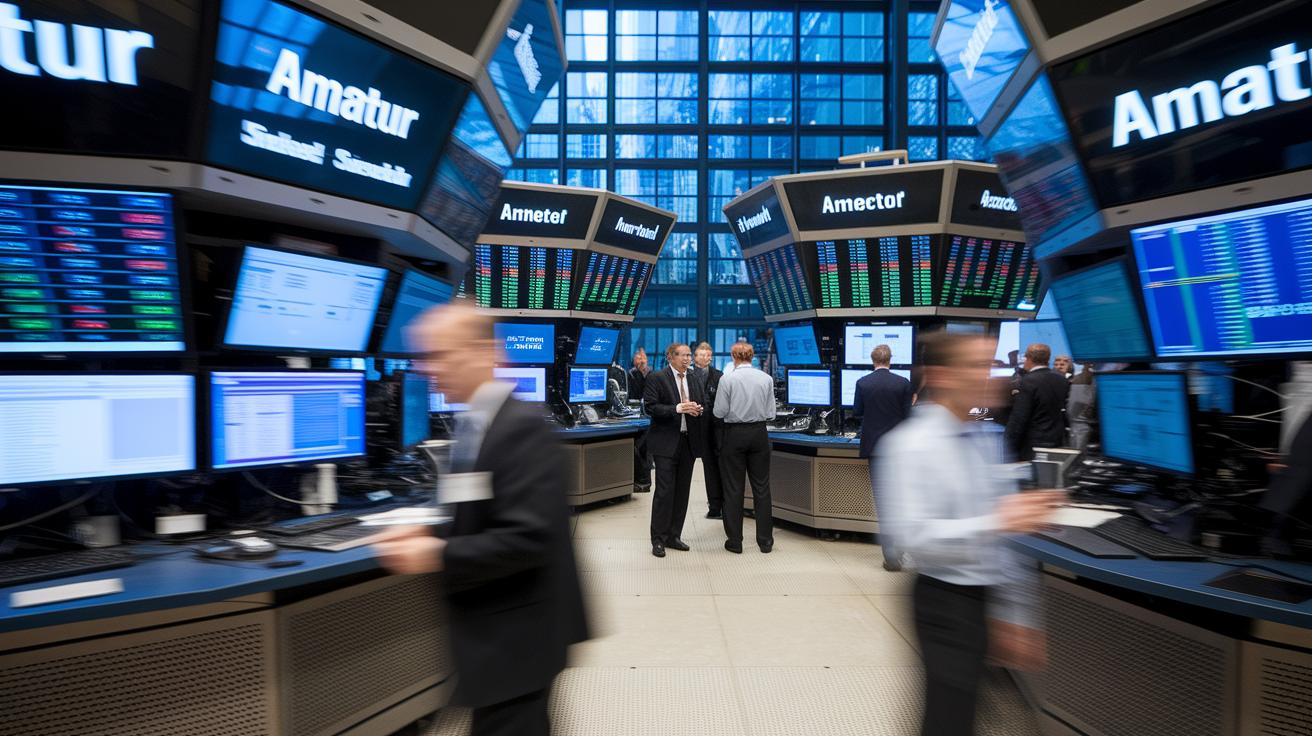
Financial markets are like busy hubs where different types of trading tools exchange hands, each doing its own special job in the global system. First off, primary markets are where fresh securities begin their journey. Think of a company selling its shares for the very first time, testing the waters and gathering investor interest.
Then you have secondary markets. These are where securities get traded after they’re initially sold. It’s kind of like when a car changes owners, it keeps moving and creating new opportunities for investors. Equity markets, for instance, are where company shares swap hands, fueling growth and expansion in businesses.
Bond markets work a bit differently. They let companies and governments borrow money by issuing bonds. And because these bonds, like US federal debt that can last from 3 months to 30 years, are often seen as safe bets, they usually offer lower interest rates. Money markets, on the other hand, deal with short-term instruments such as treasury bills and commercial paper, making them perfect for managing quick cash needs and liquidity.
Over in the world of derivatives markets, traders use contracts, like forwards, futures, options, warrants, and swaps, to protect themselves against price changes. These agreements, traded on major platforms like the CME Group and Nasdaq, help cushion investors from sudden shifts in asset values.
Have you ever wondered how currency moves across the globe? That’s where foreign exchange markets come in. Handling transactions worth over $7.5 trillion every day through systems like SWIFT, these markets keep international trade and investment humming along. And finally, there are commodities markets. These deal with the actual physical goods you see every day, such as crude oil, jet fuel, grains, and metals, brought to life through spot and futures contracts. Prices here are set through the simple dance of global supply and demand.
Each type of market brings its own tools to the table, ensuring that capital moves easily around the world. It’s this smooth flow of money and resources that keeps our global economy advancing.
Role and Structure of Financial Institutions in Market Intermediation
Financial institutions are like the heartbeat of our money system. Banks and investment companies take cash from everyday savers and channel it to businesses that need funds. Think of special purpose acquisition companies (SPACs) that helped bring Rivian Motors into the limelight with an $11.9 billion deal and Lucid Motors with a $4.6 billion deal in 2021. It’s a simple case of connecting those who save with those who borrow.
These institutions wear many hats. They act as risk checkers and keep cash flowing smoothly. Picture it like checking every link in a chain before lifting a heavy load, or having a trusted buddy who watches out for you during big financial moves. This way, they help cushion sudden market shifts that might otherwise throw things off balance.
Banks also follow strict rules set by regulators, ensuring markets stay clear and fair. These rules help them juggle risks while seizing new opportunities. And it’s more than just matching funds, it's a dynamic process that sparks capital creation and economic growth. Imagine it like balancing a seesaw where one end represents risk and the other return.
By joining savers to borrowers, financial institutions not only help companies get the money they need but also build a steady, reliable economic foundation for everyone involved.
Historical Evolution and Crisis Responses in Financial Markets and Institutions
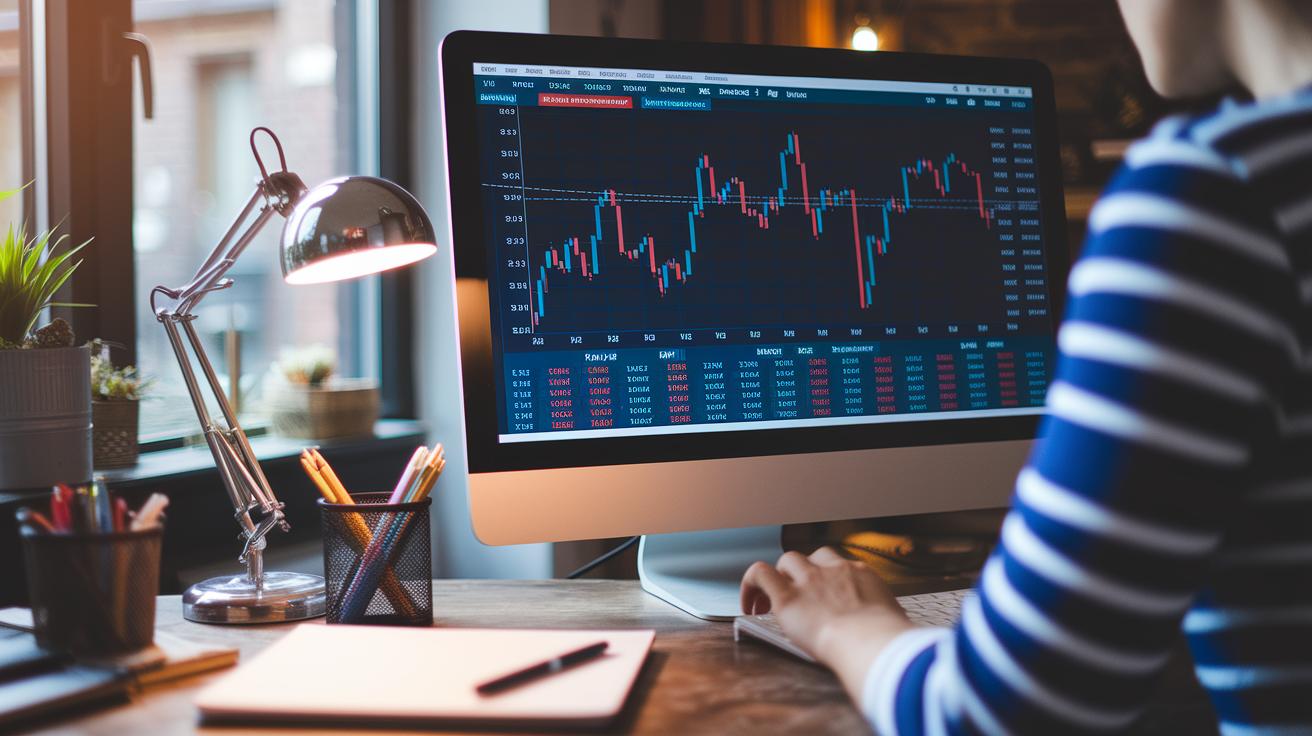
The U.S. stock market has seen some wild swings over the years. Between 2000 and 2010, it dropped about 54%, largely because of the dot-com bust and the Great Recession. Think of it like watching a roller coaster plummet, back then, complex products such as mortgage-backed securities and collateralized debt obligations really made things worse. Believe it or not, in 2008 these financial tools played a big part in a crisis that shook investor confidence to its core.
Then, things took another sharp turn during the COVID-19 downturn in April 2020, when 4 million jobs were lost almost overnight. Imagine your favorite town suddenly feeling as cold and still as a harsh winter afternoon. Quick emergency cash injections and fast policy moves acted like lifelines, much like a life jacket thrown to someone caught in stormy seas.
Policy makers weren’t sitting back either. Regulators and central banks stepped in to steady the market by lowering interest rates, buying assets, and rolling out other moves to rebuild trust. Picture a team of dedicated builders reinforcing a shaky bridge so that credit and money could keep flowing.
These tough times remind us all of the importance of staying ready. They highlight the need for careful risk management and strong oversight. Even today, debates about market efficiency and systemic risks influence how policy makers, investors, and financial institutions gear up for future shocks.
In short, while markets can be unpredictable, smart policy moves and strong financial practices can help keep things on track even during the roughest economic storms.
Regulatory and Monetary Policy Frameworks for Financial Markets and Institutions
Financial markets work under rules that keep everything safe and clear. Big exchanges like the New York Stock Exchange and various over-the-counter markets are watched over by groups like the SEC and CFTC. Think of these regulators as friendly neighborhood guardians who make sure every trade is honest and easy to understand.
Interest rates also play a big role in how these markets run. The U.S. Treasury sells debt with terms from 3 months to 30 years, and the returns on these debts change when monetary policies shift. Picture interest rates like a home thermostat, small tweaks can change the whole room’s feel. These shifts don’t just affect single bonds; they send ripples through the whole system, changing how easily money is available.
Rules and regulations build trust in the market by enforcing openness and fairness. When everyone sticks to the guidelines, large banks and individual investors alike feel secure in how the market works. Clear rules help keep mistakes at bay and make sure risks are handled in a smart way.
By matching monetary policy with careful oversight, the system stays balanced and smooth. When all the parts work together, the financial market becomes like a well-oiled machine, supporting growth and keeping things steady in the economy.
Innovations and Future Trends in Financial Markets and Institutions

Today’s financial markets are changing fast, thanks to the latest tech and fresh ideas. Just look at digital tokens, they’re really shaking things up. Now, you can trade digital tokens using online exchanges and digital wallets, making it easier to invest in an area that used to seem pretty mysterious. Here's a fun fact: In 2021, digital token trading volumes soared to millions, catching the eye of investors everywhere.
Robo-advisors and digital banking services are winning fans and making their mark. They work like a friendly financial guide that’s always there for you, offering advice that fits your needs. And with so many of us craving quick, efficient help, it’s no wonder digital banks are growing fast, making transactions smooth and secure.
Blockchain is also stepping up its game. Many people now use blockchain to handle clearing and settlement, which speeds up processes that once took days. Imagine transactions settling almost instantly, blockchain is turning that vision into reality.
Then there’s algorithmic and high-frequency trading. These tools let the market react to new information in a flash, changing the way trades happen. Plus, artificial intelligence is beginning to help traders and analysts spot trends and manage risks a whole lot better.
Laws and rules are catching up too. Around the globe, regulators are tweaking financial policies to tackle issues in fintech and shadow banking. They’re working hard to balance the drive for innovation with the need for security. All in all, mixing cutting-edge tech with updated rules is paving the way for a future where financial markets become more efficient, secure, and accessible to everyone.
Strategies for Portfolio Diversification and Risk Management in Financial Markets and Institutions
Spreading out your investments is a bit like mixing your favorite recipe, each ingredient plays its part. Modern portfolio theory shows us that putting money into different assets, such as stocks, bonds, and alternatives, can reduce risk while still offering good returns. Imagine this: back before index funds were a thing, many investors staked all their savings on one stock, unaware of how wild the market could get.
Today, lots of folks choose index funds for a hands-off, steady approach. They simplify things by offering a mix of assets in one go. Ever wonder what an index fund is all about? You can dive into more details here: https://getcenturion.com?p=783. And if you’re thinking about giving them a try, learning how to invest in index funds (https://getcenturion.com?p=836) might be a smart next step.
Risk management is just as crucial. Tools like options and futures work like insurance policies, helping protect your portfolio when sudden price shifts hit. Plus, risk analytics give wealth managers a clearer picture of market credit conditions, so they can spot weak spots and adjust plans on the fly.
Many wealth managers mix assets based on each investor’s goals. Some might lean toward steady bonds mixed with the growth of stocks, while others add alternative assets to spread the risk even more. Here are a few simple tips to keep your portfolio in shape:
- Evaluate your risk tolerance
- Allocate funds across different asset types
- Rebalance your portfolio regularly
With a good balance of diverse investments and smart risk management, you can build a resilient portfolio that stands strong even when the market gets bumpy.
Final Words
In the action, this article took us through the roles that drive financial markets and institutions. We explored how trading platforms and regulatory bodies shape everything from liquidity to global financial systems. It also reviewed market reactions during crises and highlighted new tech trends that could shape our financial future.
The insights provided practical approaches to portfolio diversification and risk management. These ideas aim to empower smart decisions in financial markets and institutions. The outlook is bright, each step equips us better for tomorrow.
FAQ
Q: What are the 4 types of financial markets?
A: The four primary types of financial markets include capital markets (where stocks and bonds are traded), money markets (for short-term debt), derivatives markets (for contracts like options and futures), and foreign exchange markets (for currency transactions).
Q: What are financial institutions and what are the major types?
A: Financial institutions are organizations that manage money and connect savers with borrowers. Major types include commercial banks, investment banks, insurance companies, brokerage firms, asset management companies, credit unions, and regulatory bodies.
Q: What is the basic function of financial markets?
A: The basic function of financial markets is to facilitate the buying and selling of securities, help companies raise capital, and provide a platform where investors can trade assets, improving liquidity and economic activity overall.
Q: Where can I find study materials on Financial Markets and Institutions?
A: Resources such as books, PDFs, study guides, and academic notes provide in-depth coverage on financial markets and institutions, including detailed explanations, examples, and analysis for a comprehensive understanding.


