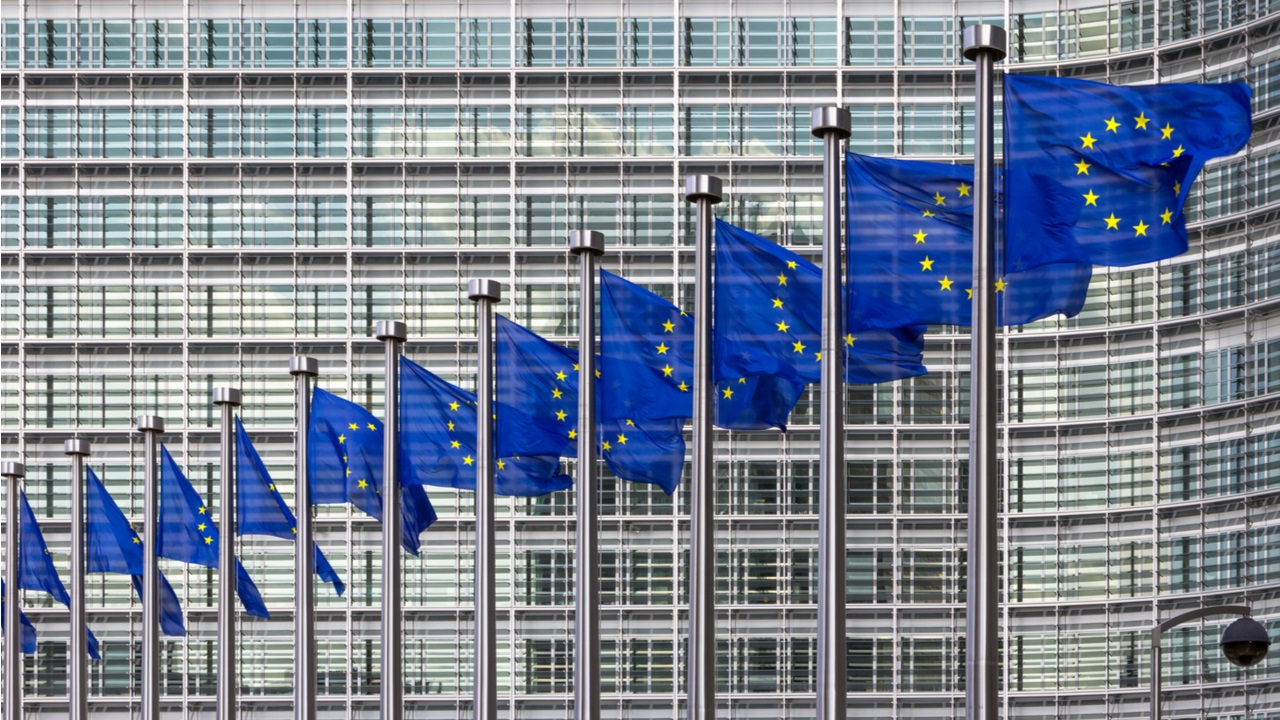
The European Union is extending the scope of sanctions introduced in response to Russia’s invasion of Ukraine, with the latest agreement between member states specifically mentioning crypto assets. Russian senators, Russian oligarchs and Belarusian bank executives have been targeted.
Europe’s Sanctions Classify Crypto Assets as Securities to Close Loopholes for Russia
On Wednesday, the European Commission welcomed a new agreement between the 27 members of the European Union to amend the bloc’s regulations imposing sanctions on Russia — for its military assault on Ukraine — and Belarus, for its involvement. They are intended to make sure that restrictions can’t be circumvented.
We are further tightening the net of sanctions responding to Russia’s military aggression against Ukraine
•Listing 160 individuals: oligarchs, Russian Federation Council members
•Belarus banking sector
•Export of maritime navigation technology to Russia
•Adding crypto-assets— Ursula von der Leyen (@vonderleyen) March 9, 2022
Some of the new penalties for Russia are hitting another 160 individuals participating in actions threatening Ukraine’s sovereignty. The group includes 14 oligarchs and prominent businessmen as well as 146 members of the Federation Council, the upper house of Russian parliament, who ratified Moscow’s decision to recognize the breakaway republics of Donetsk and Lugansk.
Тhe European measures now apply to a total of 862 Russian individuals and 53 entities. And as concerns have grown that Russia’s government and elites may use cryptocurrency to bypass western sanctions, crypto assets have been targeted as well. The latter are now listed under the “transferable securities” category. It was announced:
The EU confirmed the common understanding that loans and credit can be provided by any means, including crypto assets, as well as further clarified the notion of ‘transferable securities,’ so as to clearly include crypto-assets, and thus ensure the proper implementation of the restrictions in place.
The European Union also takes steps to reduce Russia’s potential to bypass sanctions by Belarus. Several Belarusian banks — Belagroprombank, Bank Dabrabyt, and the Development Bank of the Republic of Belarus as well as their domestic subsidiaries — have been cut from SWIFT, the global interbank messaging system.
Transactions with the Central Bank of Belarus regarding investment funds and assets management were also banned. The amendments also aim to “significantly limit the financial inflows from Belarus to the EU by prohibiting the acceptance of deposits exceeding €100.000 from Belarusian nationals or residents.”
Even though the EU continues to work on cryptocurrency regulations, it has added crypto assets. Markets in Crypto Assets (MiCA), a proposal for crypto assets, was presented to the European Parliament this week. The proposal will be voted on by the Economic and Monetary Affairs Committee of the ECON on March 14.
After Russia’s attack on Ukraine last month, Christine Lagarde, President of European Central Bank, urged EU officials to approve the regulatory package quickly to stop Moscow from using cryptocurrencies to bypass European sanctions.
What do you think? Do the EU new sanctions prevent Russia using cryptocurrency to avoid sanctions? Comment below with your opinions.

Images CreditsShutterstock. Pixabay. Wiki Commons
DisclaimerThis article serves informational purposes. This article is not intended to be a solicitation or offer to sell or buy any product, service, or company. Bitcoin.com doesn’t offer investment, tax or legal advice. The author and the company are not responsible for any loss or damage caused or alleged caused by the content or use of any goods, services, or information mentioned in the article.


