Is India’s stock market on the verge of a big change? New moves in digital growth and green energy are lighting the path ahead. Government spending and strong exports have kept the market steady, even when global uncertainties pop up. Numbers tell us that Indian stocks are holding their own and even climbing higher compared to their peers. Read on to see how these exciting trends might build a brighter future for India’s equity markets.
Indian Equity Markets: Comprehensive Overview and Key Performance Metrics
India’s stock market is growing stronger every day, like a heart pumping steadily. Data shows that the country might soon see its longest bull run ever. The push from a booming digital economy and a move toward green energy is giving these markets a real boost. Over the past three years, government spending has pumped up infrastructure, while steady tax increases and healthy exports have kept the market solid. This mix of strong local demand and smart economic policies helps keep things upbeat even when outside factors seem a bit shaky.
Looking at the numbers, you can see that Indian stocks are trading at higher levels than many of their global peers. Even though there have been small pullbacks from previous highs, prices are still high because investors believe in the country's growth. Here’s an interesting point: in 2024, while several emerging markets struggled with unpredictable money flows, Indian stocks held steady, thanks mostly to strong local support. That said, foreign investments have been limited since global investors often lean toward USD-based assets, reflecting a cautious approach on the international stage.
In short, the key economic numbers and market benchmarks show that India's financial landscape is both promising and resilient. With reliable backing from government policies and growing digital initiatives, the market continues to offer attractive growth opportunities, even with global uncertainties lurking around.
Structure of India’s Equity Markets: BSE and NSE Dynamics

India’s stock market revolves around two main players: the historic Bombay Stock Exchange (BSE) and the modern National Stock Exchange (NSE). Together, they handle over 95% of the country’s trading, making them the true backbone of market activity. The BSE brings a rich legacy that attracts investors who value depth and history, while the NSE stands out with its cutting-edge trading tools and abundant liquidity.
Domestic demand has been strong and a steady policy environment has helped boost trading volumes on both sides. For instance, new government initiatives aimed at improving infrastructure have sparked record activity, as investors cheer on growth from both foreign and local sources. It’s a perfect display of how supportive policies and investor confidence can drive real market momentum.
The ongoing strong performance of both exchanges shows the benefits of stable policies and a robust economy. Recent increases in spending from both the public and private sectors have made the markets more resilient and bolstered trading across the board. Isn’t it fascinating how steady support and smart investments can make the market pulse stronger?
Investment Strategies in India’s Equity Markets
India’s market offers really special chances for investors. You see companies that have strong advantages in areas that are still growing. Digital business stars and green-energy pioneers are leading the way. This mix gives you a blend of fast growth and steadier price moves, making Indian stocks a smart pick for a mixed portfolio.
A great way to power up your portfolio is by using smart, balanced strategies. Think of your portfolio as a well-tuned engine – it runs smoothly when every part works right. For a closer look at how to build that perfect setup, check out these seven ideas:
- Value investing in high-quality, under-valued names
- Growth exposure to digital and renewable sectors
- Rotating between business sectors that perform differently
- Reinventing dividends to boost your yield
- Screening for strong ESG (environmental, social, and governance) practices
- Using momentum strategies based on simple market signals
- Tracking market indexes through passive ETFs
These ideas help investors pick stocks with solid fundamentals and exciting future prospects. The generally lower ups and downs in Indian stocks also mean you might hold them longer, making it easier to handle short-term market moves. By taking these focused steps, you can build a strong, resilient portfolio that rides the promising trends in India’s equity markets.
Valuation and Risk Management in Indian Equity Markets

Indian stocks are in a premium zone right now. This means investors pay more for each dollar of earnings than in many other markets, and it's all backed by strong local confidence even after some minor corrections. Imagine a company that slowly lowers its lofty valuation over time, like an art collector fine-tuning the price of a masterpiece based on how the market feels. Experts at BNP Paribas Exane believe these market multiples will hold steady until 2025, creating a pretty predictable playground for those managing risk.
Risk management here is all about simple, clear steps. Investors keep a close watch on key numbers like Price/Earnings ratios and market multiples to know when to tweak their exposure during market shifts. They also lean on tools that measure volatility to catch big swings before they blow up.
| Metric | India Status | Global Comparison |
|---|---|---|
| Price/Earnings | Premium vs. global peers, slight correction | Global average lower by ~20% |
| Market Multiples Forecast | Stable into 2025 | Global markets expected modest shifts |
This mix of solid valuations and steady risk controls really keeps India’s equity markets appealing, even when global trends get a bit unpredictable.
Regulatory Reform Impacts on Indian Equity Markets
Regulatory changes in India have really helped keep the market steady and made investors feel more at ease. SEBI's new rules push companies to share their financial details more often, giving everyone a clearer view of a company's financial health, almost like peeking through a spotless window.
GST has also shaken things up by simplifying tax matters, which in turn helps businesses run more smoothly. Now, investors see more consistent liquidity and fewer surprises when companies disclose their financial results. Imagine a company’s tax process being as simple as ordering your favorite coffee, it’s a comforting thought that builds trust among market players.
In short, these changes have raised the bar for transparency and streamlined tax procedures, boosting market integrity while building long-term confidence and more reliable liquidity in India’s equity markets.
Outlook and Forecast for Equity Markets India
Short-Term Projection
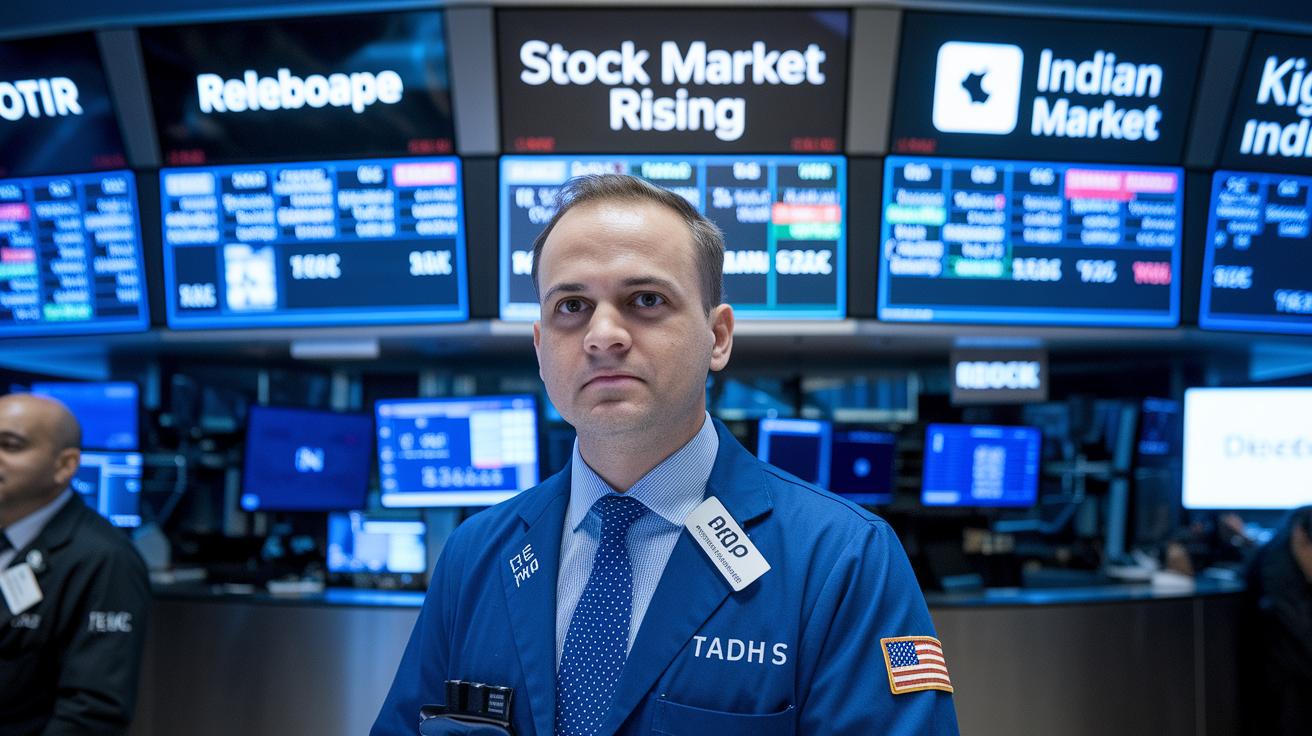
Over the next 12 to 18 months, Indian equity markets are set to ride a stable trend fueled by strong local demand and supportive government policies. Everyday signs point to a steady rebound, thanks to ongoing investments in key infrastructure, even if there are a few bumps along the way. Plus, upcoming moves like clearer transparency and easier tax rules are expected to boost investor confidence. In simple terms, companies in the digital and green energy sectors are in a good spot, and their progress could gently push the market toward even better performance.
Long-Term Projection
Looking five years ahead, there’s chatter that Indian stocks might deliver around 20% annual returns. This optimism comes from a mix of a stable economy and a bull market that’s gaining momentum. Key drivers like the digital economy and a shift to green energy are drawing both local and global interest. Some analysts even believe India could account for about one-fifth of global growth. For those planning on the long haul, holding stocks in growth-ready sectors while keeping a balanced portfolio might be the way to go. As the market keeps evolving and reforms tighten, these positive trends are likely to hold strong over time.
Comparative Analysis: Indian Equity Markets vs Other Emerging Markets
In 2023, India's main indexes, like the S&P BSE Sensex, showed about 10% daily ups and downs. That’s noticeably calmer compared to roughly 16% in other emerging markets. It seems local investors appreciate this steadiness, as a recent survey found that 68% felt secure with clear policies and steady growth ahead.
Investor actions in India also stand apart from markets in Asia or Latin America. Many foreign investors still lean towards assets tied to the US dollar, bringing a steady but modest flow of money into the market. Think about it like this: even when other regions had wild price swings, India held firm around 10% volatility. It’s one of those facts that really highlights the trust in its market setting.
| Market | Volatility (2023) | Foreign Capital Inflow |
|---|---|---|
| India | 10% | Modest |
| Latin America | 16% | High |
| Asia | 14% | Moderate |
This mix of steady performance and measured outside funding sets India apart from its peers, where quick price jumps and larger money swings can make the market feel a bit unpredictable.
Final Words
In the action, this article broke down a detailed look at Indian equity markets, from trading volumes on BSE and NSE to investment tactics like value and growth plays. It shed light on valuation metrics, market performance drivers, and recent policy shifts that have shaped the current investment climate.
The discussion wrapped up with forward-looking insights that leave us with a hopeful outlook for continued gains and stability in equity markets india. Stay positive and informed.
FAQ
What are the primary Indian equity markets and how do stocks on them function?
India’s equity markets operate mainly through the BSE and NSE, where company stocks are bought and sold during set trading hours, reflecting the market’s overall health.
How can I track live updates, chart data, and opening times for Indian share markets?
Live data, real-time charts, and market open times for Indian shares are accessible via financial platforms that monitor trading on both NSE and BSE.
What do Sensex and Nifty indicate about the Indian market?
Sensex and Nifty are key indices that summarize the performance of leading companies on BSE and NSE, offering a quick look at overall market trends.
What does equity trading in India involve compared to trading in other markets?
Equity trading in India includes buying and selling stocks on regulated exchanges, influenced by economic policies and valuation methods unique to the local market environment.
Are Indian equity markets currently in a bubble?
While some market concerns are raised, current fundamentals, supportive policies, and modest foreign investment do not clearly indicate the presence of a market bubble.
Is it realistic to earn $1000 daily from the Indian stock market?
Consistently earning $1000 in a day is challenging, as it requires advanced skills, precise timing, and effective risk management given the inherent market volatility.


