Is the market really ready for bold growth, or are we just missing hidden clues? Imagine a thermometer that slowly drops as inflation cools to 2.8%, while the S&P 500 inches up by about 1% each week.
This mix of falling inflation and rising stocks gives investors a warm, yet careful sense of hope. It’s like watching a comeback unfold right before your eyes.
Let’s chat about how these steady numbers might be laying the groundwork for big moves ahead, showing us both strength and subtle shifts in today’s financial scene.
Market Overview and Present Economic Snapshot
The U.S. Consumer Price Index and Producer Price Index have slipped under 3%, which shows that inflation is cooling off. After years of steep rises, inflation is now tapping in at about 2.8%. This gentle shift sets up a calmer economic scene where you can really see the market's steady rhythm.
Looking at stocks, things are following suit. The S&P 500 gained about 1% last week, and it's now more than 26% above its low from April 8. That's the kind of bounce back that makes investors hopeful, even with market changes happening around the world. And then there’s the Nasdaq-100, it's jumped nearly 7% to 8% so far this year, catching the eye of many who keep close tabs on market momentum.
These numbers aren’t just figures on a page; they tell a story of strength and renewal in the market. Investors are beginning to enjoy the benefits of lower inflation, even though different sectors are still finding their footing. In truth, this snapshot shines a light on current market strengths while hinting at shifts that could ripple through the wider financial landscape.
Market moves right now mix steady growth with a touch of careful optimism. Picture a thermometer slowly dropping as summer heat fades away, that’s similar to how falling inflation pairs with rising stock values. It’s a scene that brings both energy and a thoughtful pace to today’s financial story.
Sector Performance Trends: Stocks Analysis

Imagine the stock market as a vibrant canvas where every sector paints its own story of highs and lows. The tech world, for example, has been buzzing with energy, the Nasdaq-100 is up nearly 8% this year. This shows that even when markets change, innovative ideas and rapid growth can really shine, outpacing many other groups.
Recent retail sales have also surprised us by beating expectations, giving extra life to consumer-based sectors. Think of busy shoppers boosting the market like a wave of energy. Meanwhile, traditional sectors like industrials and materials are moving at a slower, steadier pace, not as exciting, but reliable.
When you take a closer look at technical signals, it’s clear that consumer and tech sectors are driven by strong sales and positive investor moods. On the flip side, industrial and materials sectors seem to hint at a more cautious mood right now. Simple factors like how much people are buying, issues in supply chains, and new tech taking hold are all at play here.
Key takeaways:
- Consumer sectors are powered by strong retail sales.
- Technology stands tall with impressive gains.
- Industrial and materials sectors show modest, steady movement.
| Sector | Performance Insight |
|---|---|
| Technology | Nasdaq-100 up approx. 8% YTD |
| Consumer | Boosted by solid retail sales |
| Industrial & Materials | Steady, modest gains |
Keeping an eye on these trends can help you spot where bold growth might emerge next. Isn’t it interesting how little shifts can have a big impact?
Trading Activity and Investor Sentiment in Current Markets
Lately, we’ve seen some subtle changes in how stocks are trading. The overall market seems to be moving in a way where fewer stocks are powering the momentum. For example, only about 60.92% of S&P 500 stocks are trading above their 200-day average now, compared to 64.60% before. Nasdaq has dropped slightly too, from 48.60% to 47.42%, and the Russell 2000 went from 53.96% down to 51.16%. Think of it like a race where only a few runners are speeding ahead while others fall behind.
On a day when options expired, things got a bit rocky. The Dow lost roughly 227 points and the S&P 500 dipped amid extra ups and downs during the day. This kind of movement can make investors feel a mix of caution and excitement. Some are staying on the sidelines, while others are looking for quick opportunities.
Key things to watch:
- Fewer stocks driving the market’s momentum.
- More price swings on days when options expire.
- Changes in overall investor feelings, especially when big companies are in charge.
| Index | Previous Breadth | Current Breadth |
|---|---|---|
| S&P 500 | 64.60% | 60.92% |
| Nasdaq | 48.60% | 47.42% |
| Russell 2000 | 53.96% | 51.16% |
These shifts make us wonder where the market is headed next, and they can be a helpful signal if you’re keeping an eye on stock performance.
Key Economic Indicators and Policy Impacts

The CPI and PPI have dipped to below 3%, hinting that everyday prices might be cooling off, imagine hearing, "Prices eased this month to just under 3%," and instantly picturing a gentle slowdown on your grocery bill.
Investors, on the other hand, are watching tariff adjustments with some cautious curiosity. With the U.S. trade deadline now moved to August 1 and Treasury tariff revenues ticking upward, many are left wondering, “What ripple could this have on stock performance?” It’s a twist that makes even good news seem a bit uncertain.
Core yields are sticking close to their recent lows, adding a sense of calm even when the market feels a bit on edge about potential Fed moves. It reminds you of a quiet stream that could suddenly stir if policies unexpectedly shift. Fed expectations remain pretty steady, which helps guide investor mood in a landscape where every tiny drop in inflation counts.
All these signals, lower inflation, cautious tariff changes, and stable core yields, combine to shape the direction of the market. They act as a simple barometer, giving us a clear glimpse into the short-term shifts in stock performance and overall economic trends.
Corporate Earnings Signals and Market Forecasts
The latest Q2 earnings from 58 S&P 500 companies show a mix of good and not-so-good news. On average, these companies grew their revenue by about 5% and boosted their earnings per share by 10%. Imagine it like taking a quick health check, the strong numbers can make you feel confident that the economy is still riding the post-pandemic upswing.
But not every report brought applause. Even with solid numbers overall, some companies took a hit. For instance, Netflix saw its shares drop nearly 5% even after a quarter that beat expectations. This dip reminds us that even when earnings are strong, there’s still a dose of caution floating around. A short-term drop in stock prices might be a small sign that the market is still finding its balance.
Looking ahead, all eyes are on big players like Alphabet and Tesla. Many investors see their upcoming reports as a test to see if the current wave of optimism is really built on solid ground. Their results could either reaffirm the market’s upbeat mood or give a nudge of caution, especially when you consider how stretched some valuations feel.
Even with an overall positive tone, this earnings season hints at some near-term ups and downs. Analysts are sifting through every detail, knowing that even strong growth might not completely ease fears over market saturation. In truth, it’s a careful balancing act as everyone watches for those subtle shifts that might set the course for what comes next.
Alternative Asset Movements: Cryptocurrency and Fintech Trends
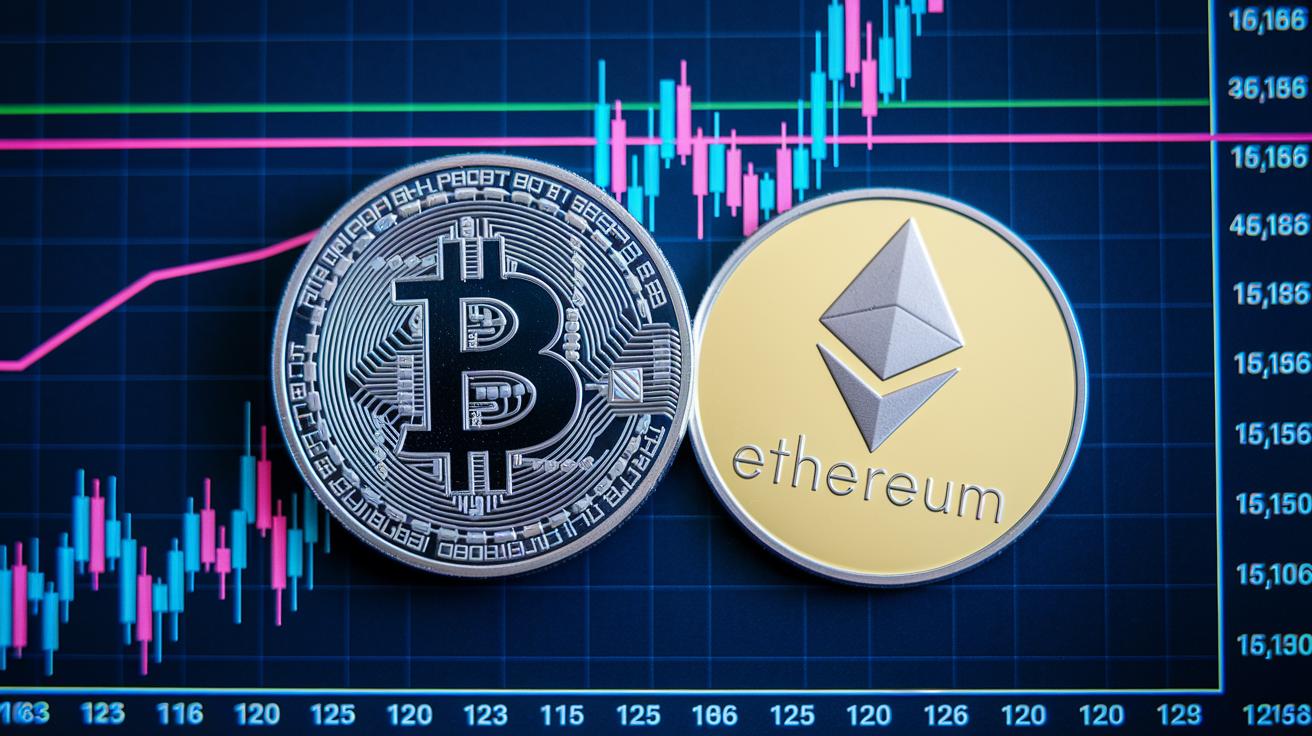
Bitcoin has reached an all-time high of $122,838, and Ethereum is holding strong above $3,600. This exciting growth shows that digital assets are buzzing with life as investor interest shifts fast. Imagine having a coin that suddenly shoots up like a rocket, it’s a thrilling time to be watching the market.
At the same time, lawmakers are taking notice. Three new crypto-related bills, including the GENIUS Act, are gaining traction in Congress. In plain terms, these moves signal that rules for digital money might soon change, making investors rethink both risks and opportunities.
Fintech isn’t sitting on the sidelines either. New tools and platforms are emerging, helping everyone track blockchain trends more easily. These advances make transactions quicker and boost security, so whether you’re a regular buyer or part of a big institution, dealing with digital assets is becoming smoother.
Overall, digital assets are moving at a brisk pace with evolving regulations and tech innovations intertwining in a bold growth story.
Future Projections and Outlook for Current Market Trends
Some technical indicators are starting to lose their momentum. RSI levels (a simple tool that shows if stocks are overbought) are dipping, even though the S&P 500 and Nasdaq-100 have reached new highs. Think of it like noticing the check engine light flickering just when you're cruising down the highway, you get a hint that a change might be on the way.
Investors should pay close attention to the upcoming economic data and earnings reports from big companies. These events can really steer the market's next move. For instance, if a major company surprises everyone with its earnings, it could shift trader sentiment, much like how one piece of unexpected news makes people cautious.
Other important factors include shifting global trends and new forecasts for growing sectors. Some of these hints point to a possible increase in market ups and downs before things settle again. Imagine walking into a room where the lights slowly dim, you suddenly need to adjust your vision.
By watching these technical signals and big-picture trends, investors can get ready for short-term bumps while still keeping an eye on exciting opportunities for growth.
Final Words
In the action, the analysis painted a clear picture of key market snapshots, sector performance, and trading patterns. We touched on economic signals, corporate earnings, and shifts in digital assets that drive current market trends.
Each section built a layered understanding of how everyday market movements and investor sentiment can guide well-informed choices. This conversation leaves you with a renewed perspective and confidence to seize the upcoming opportunities in the financial world. Embrace what lies ahead with optimism.
FAQ
What do current market trends today mean and what are the trending markets right now?
The current market trends reflect evolving investor sentiment influenced by economic data, corporate earnings, and policy decisions. They show varied movements across major indices and sectors, giving a snapshot of overall market performance.
What does the U.S. stock market today indicate and how can I see its live chart or graph?
The U.S. stock market today shows real-time updates and index performance through live charts and graphs. These tools display shifts in sector momentum and investor behavior, offering immediate insights into market movement.
Why is the stock market going down today?
The stock market going down today may result from investor caution amid short-term volatility, technical adjustments, and minor sell-offs triggered by profit-taking or reaction to economic indicators.
What are the projections for market trends in 2025?
Market projections for 2025 suggest gradual shifts driven by new economic data, technological progress, and changes in fiscal policies. Analysts anticipate adjustments in sector performance and investor sentiment over the coming years.
How can I find current market trends?
Finding current market trends involves tracking live charts, economic reports, and index updates. Using technical analysis alongside monitoring major indices offers a clear, up-to-date view of market movements and overall conditions.


