Have you ever felt that smart contracts seem trapped on one blockchain? Imagine if these digital agreements could chat across different networks.
Cross-chain smart contracts make that possible. They let data and assets move around like puzzle pieces snapping together, linking systems that might usually stay isolated.
Think of them as clever bridges connecting local apps with global platforms. This fresh idea breaks away from old limits and sparks innovation on a worldwide scale.
How Cross-Chain Smart Contracts Achieve Multi-Network Interoperability
Imagine you're chatting with a friend about how different blockchain networks can finally talk to each other. That’s what cross-chain smart contracts are all about. Unlike the old-school contracts that only work on one blockchain, these nifty contracts help transfer both data and assets across multiple chains. So, if you’ve got a local marketplace app on one network that wants to connect with a global trading platform on another, cross-chain contracts step in like matching puzzle pieces, linking them together effortlessly.
At the heart of these contracts are a few key players. First up are bridges, they lock digital assets on one chain and then issue matching tokens on another, keeping things in balance. Next, messaging layers act like a trusted friend who carefully passes along transaction details between blockchains. And then there are relayers or oracles, which verify the information and make sure that what happens on one chain shows up correctly on the other. Think of it like a relay race: every runner hands off the baton smoothly, so the whole process stays in rhythm.
The perks of using cross-chain smart contracts are pretty exciting. They let your digital assets move freely from one network to another, kind of like having a universal key that opens many doors. This means you get a smoother, more unified experience without the hassle of switching between different blockchains. Plus, by connecting to various liquidity pools, these contracts open up new markets and possibilities, encouraging everyone, whether you’re a business or an everyday user, to tap into the full power of the blockchain world.
Technical Architecture Behind Cross-Chain Smart Contracts
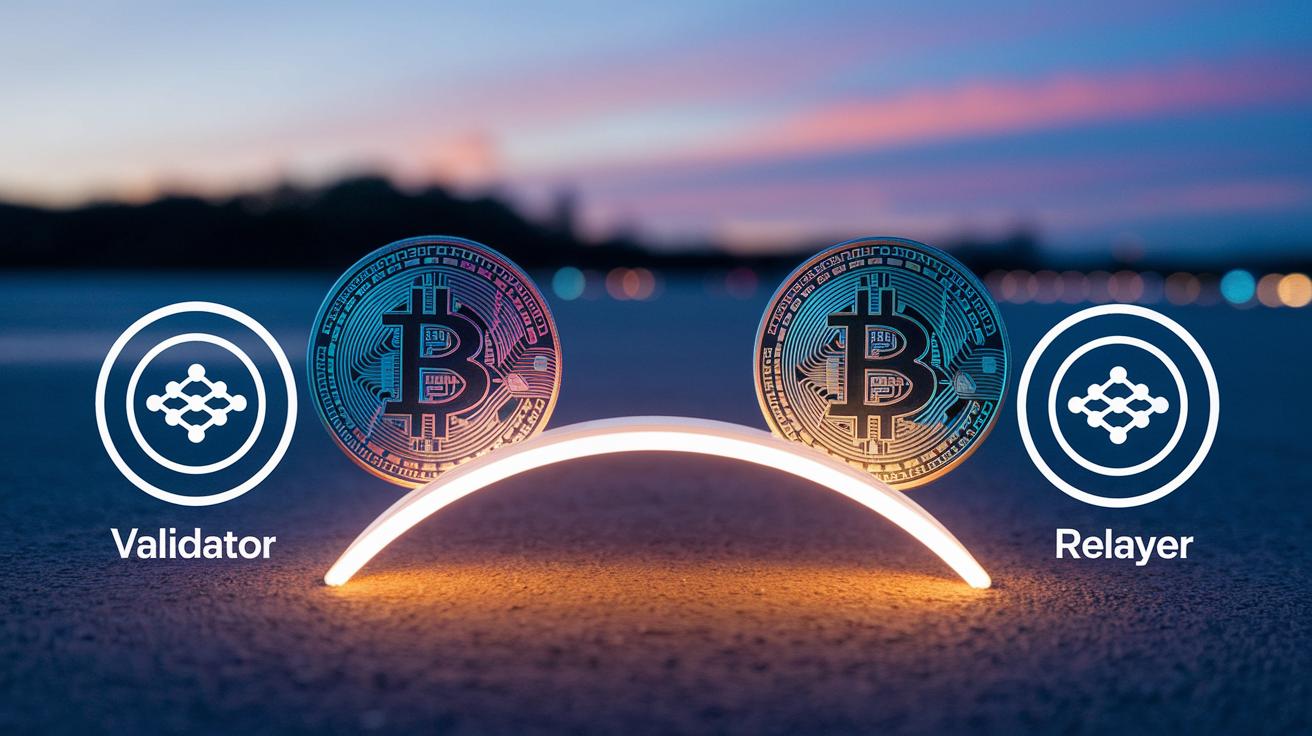
A solid technical framework is at the heart of decentralized contracts and smooth blockchain interactions. When different blockchains work together, a well-thought-out design makes sure that asset transfers and smart contract actions happen without any hitches. This kind of integration not only boosts security but also builds confidence among users and developers, since every transaction is carefully recorded and verified.
Below are some key parts that make this whole process tick:
| Component |
|---|
| Bridge Contracts |
| Light Client/Validator Modules |
| Relayer/Oracle Network |
| Message Verification Logic |
| Consensus Integration Layer |
Imagine you start a smart contract on one blockchain. It kicks off by calling a bridge contract that securely locks your asset, keeping it safe from misuse or duplication. Then, light client or validator modules step in to check that everything is in order, acting like vigilant gatekeepers. After that, a relayer or oracle network picks up the details and sends them over using an automated messaging system. On the other side, message verification logic ensures that the incoming data matches the original transaction perfectly. Finally, the consensus integration layer confirms that the corresponding smart contract on the target blockchain fires off just as planned, neatly wrapping up the transaction.
This step-by-step flow shows how cross-chain smart contracts create a trustless, efficient transfer process, paving the way for secure and seamless blockchain interoperability.
Security Risks and Cryptographic Safeguards in Cross-Chain Smart Contracts
When dealing with cross-chain smart contracts, keeping security tight is a must. Think of it like guarding your house, if any door or window is left open, trouble can come in. Even a small flaw in parts like the bridges (for instance, oracle issues or relay glitches) can put all your hard work at risk.
Take a look at these common security challenges and the ways to fight them:
| Risk | Safeguard |
|---|---|
| Oracle manipulation | Multi-sig oracles, decentralized oracle networks |
| Replay attacks | Unique identifiers, timelocks |
| Relay censorship | Redundant relayer sets, reputation systems |
| Bridge contract bugs | Formal verification, third-party audits |
Every part of your messaging and bridging system should be checked and rechecked, just like you would test a new gadget before using it every day. Developers often use formal verification and automated testing tools to catch any small mistakes early on. This multi-layered approach not only stops one problem from taking down everything but also builds trust among different blockchain networks.
Regular security audits and real-time monitoring work a bit like routine checkups, they help spot potential issues before they blow up into major headaches. In short, continuously updating and refining these safety measures is key to running cross-chain smart contracts smoothly and securely.
Protocols and Standards Driving Cross-Chain Smart Contracts

Shared standards are key in our ever-growing blockchain world. With each network having its own way to agree on transactions and handle data, having common rules helps bring some order to the mix. When developers use techniques like atomic swaps for trustless asset exchanges or multi-protocol token swaps to tap into available liquidity, they can stitch together smart contracts that work smoothly across different systems. This kind of standardization eases interactions for decentralized apps, sparking fresh ideas on managing and trading digital assets.
| Protocol | Architecture | Key Feature |
|---|---|---|
| Polkadot XCMP | Relay-chain hub | Scalable hub-and-spoke messaging |
| Cosmos IBC | Hub-based | Light-client verification |
| CCIP | Layer-zero messaging | Standardized API |
| Wormhole | Relayer network | High-throughput relays |
When you look at these protocols up close, you can really see the trade-offs between speed, security, and ease of use. For example, Polkadot’s relay-chain hub brings scalable messaging, but developers might need to adjust to its unique setup. Meanwhile, Cosmos IBC uses a light-client method for security checks, which is reassuring even if it takes a bit longer. CCIP, on the other hand, simplifies things with a standardized messaging API, while Wormhole leans on a network of relayers to give you that fast performance when it really matters.
These standards are always evolving, meeting the rising demand for secure and versatile cross-chain operations. In the end, they help shape a more interconnected digital future, making the world of blockchain a little more friendly and a lot more exciting.
Use Cases: Cross-Chain Smart Contracts in DeFi and Beyond
Interoperability is opening up a world of new, decentralized apps that aren’t stuck in just one network. This change is sparking a burst of innovation in digital finance and even stretching into other areas. Cross-chain smart contracts are at the heart of these advances, letting decentralized applications work smoothly across many different ledgers.
-
Cross-Chain DEXs
These platforms let you spread your tokens over several networks. Why is that cool? It helps reduce slippage in trades and can lead to better pricing. Imagine a DEX that sends parts of your trade to different liquidity pools to get the best deals possible. -
Yield Aggregators
Think of these as smart money managers. They automatically steer your funds to the DeFi protocols that offer the best yields across various chains. This means you can sit back and earn competitive returns without the hassle of switching between platforms frequently. -
Lending & Borrowing Protocols
This model lets you use assets from one blockchain as collateral to grab a loan on another. It’s a clever way to boost liquidity while giving you more flexibility in how you use your funds. By linking assets from different networks, you get a more dynamic approach to managing your finances. -
Multi-Chain DAOs
With these organizations, communities can hold voting sessions and manage their treasuries across multiple blockchains. It’s a cost-effective way for people to take collective decisions, no matter which network they’re originally part of. -
NFT Marketplaces
These platforms let you list, bid on, and transfer digital collectibles across several different blockchains. Thanks to cross-chain capabilities, artists, collectors, and investors can easily connect within one unified ecosystem.
New enterprise uses are also on the rise. For instance, sectors like supply chain management and gaming are starting to use cross-chain technologies. This setup helps make transitions between assets much smoother and invites more people to join in. It clearly shows just how transformative cross-chain smart contracts can be.
Best Practices for Developing Cross-Chain Smart Contracts

Building cross-chain smart contracts isn’t a walk in the park. When you mix different consensus models with various programming languages, things can get tangled fast. A tiny design flaw or a missed test can snowball into a big headache later on. So, careful planning from the start is really important.
When you’re working on these projects, it helps to use the right tools and testing methods to keep your contracts running smoothly across different blockchains. Good planning and thorough testing in every possible scenario not only cut down on risks but also lead to more reliable financial apps you and your community can trust.
Here’s a quick checklist to keep in mind:
- Choose established bridge/IBC frameworks
- Architect modular, upgradeable contracts
- Implement end-to-end cross-chain test suites
- Optimize gas and monitor live execution
A modular design is like having separate compartments in a toolbox, it makes it easier to fix or upgrade parts without overhauling the whole thing. Automated test suites work like an early warning system, catching integration issues before they affect users. And by planning your deployments well while always keeping an eye on live performance, you can handle any unexpected bumps along the way.
It’s also a smart move to join community standardization groups. Chatting with others and sharing feedback ensures that your approach stays in tune with the latest protocols and testing practices. In the end, this collaborative effort helps create a more integrated and dependable cross-chain environment for everyone.
Future Trends and Standardization in Cross-Chain Smart Contracts
Today, the blockchain world is a bit like a patchwork quilt; different networks run on their own rules and designs. Without a set of common guidelines, these decentralized platforms can struggle to "speak the same language." In simple terms, we need shared standards to help various systems work together smoothly around the globe.
Protocol-level teamwork is picking up steam now. Initiatives such as IBC and CCIP are working hard to align messages and verifications across blockchains. Think of it as linking hands between different layers, this not only makes communication smoother but also builds lasting trust in cross-chain security.
New developer tools and testing frameworks are already smoothing out cross-chain challenges. Automated processes and practical testing kits are like early-warning systems that spot issues before they grow into bigger problems. This helps cut down delays and sparks creativity, allowing developers to build more resilient solutions across various networks.
Looking ahead, as more blockchain networks come online, the push for standardized protocols is bound to grow. Expect mainstream companies to jump on board with next-gen automation tools, turning cross-chain operations into faster, more integrated systems. Ultimately, these advancements are set to drive exciting financial innovations worldwide.
Final Words
In the action, the post broke down cross-chain smart contracts and their role in linking discrete blockchain systems. It outlined the technical architecture and safeguards that keep assets secure. The discussion moved on to current protocols, practical use cases, and best practices that help developers build stronger solutions. Emerging standards and future trends promise smarter, more integrated blockchain solutions. This guide aims to help you navigate complexity with confidence and see how cross-chain smart contracts are reshaping financial innovation. Stay positive and keep exploring new ideas!
FAQ
What does cross chain smart contracts ethereum mean?
The term cross chain smart contracts on Ethereum describes contracts that work beyond a single blockchain, allowing data and asset transfers between Ethereum and other networks for improved decentralized application performance.
What does cross chain smart contracts review cover?
A review of cross chain smart contracts evaluates how they connect different blockchains, focusing on asset mobility, improved liquidity, and enhanced user experiences across networks.
What does cross chain crypto refer to?
Cross chain crypto refers to digital assets enabled by technologies that allow smooth transfers across various blockchains, enhancing liquidity and broadening access for decentralized networks.
What are cross chain smart contracts 2021?
Cross chain smart contracts 2021 refer to early implementations that began linking blockchains, laying the groundwork for multi-network interoperability and integrated decentralized applications.
What is meant by a cross chain crypto list?
A cross chain crypto list catalogs digital assets and protocols that leverage cross-chain technology, highlighting options that enable asset transfers and improved liquidity across distinct blockchain platforms.
What is a cross chain network?
A cross chain network describes an interconnected system where different blockchains communicate through smart contracts and bridges, enabling seamless transfers of data and assets between networks.
How does a cross chain swap work?
A cross chain swap works by using automated smart contracts to exchange tokens between different blockchains, letting users trade assets without relying on centralized intermediaries.
What are cross chain transactions?
Cross chain transactions involve moving assets or data between separate blockchains using smart contracts, bridges, and relayers, which together ensure secure and efficient inter-network exchanges.
What is an example of a cross-chain transaction?
An example of a cross-chain transaction is trading a token from one blockchain for another token on a different blockchain, conducted through a smart contract and secured by a cross-chain bridge.
How does cross-chain work?
Cross-chain functions by linking separate blockchains using smart contracts, bridges, and messaging protocols, which together enable secure transfers of assets and information between different networks.
What is the difference between cross-chain and multichain?
The difference is that cross-chain connects distinct blockchains to enable transactions between them, while multichain refers to operations that occur within multiple chains but aren’t necessarily interconnected.
Is a cross-chain bridge legit?
A cross-chain bridge is considered legitimate when it employs strong security measures, thorough audits, and peer-reviewed protocols; however, users should independently verify its trustworthiness before engaging.


