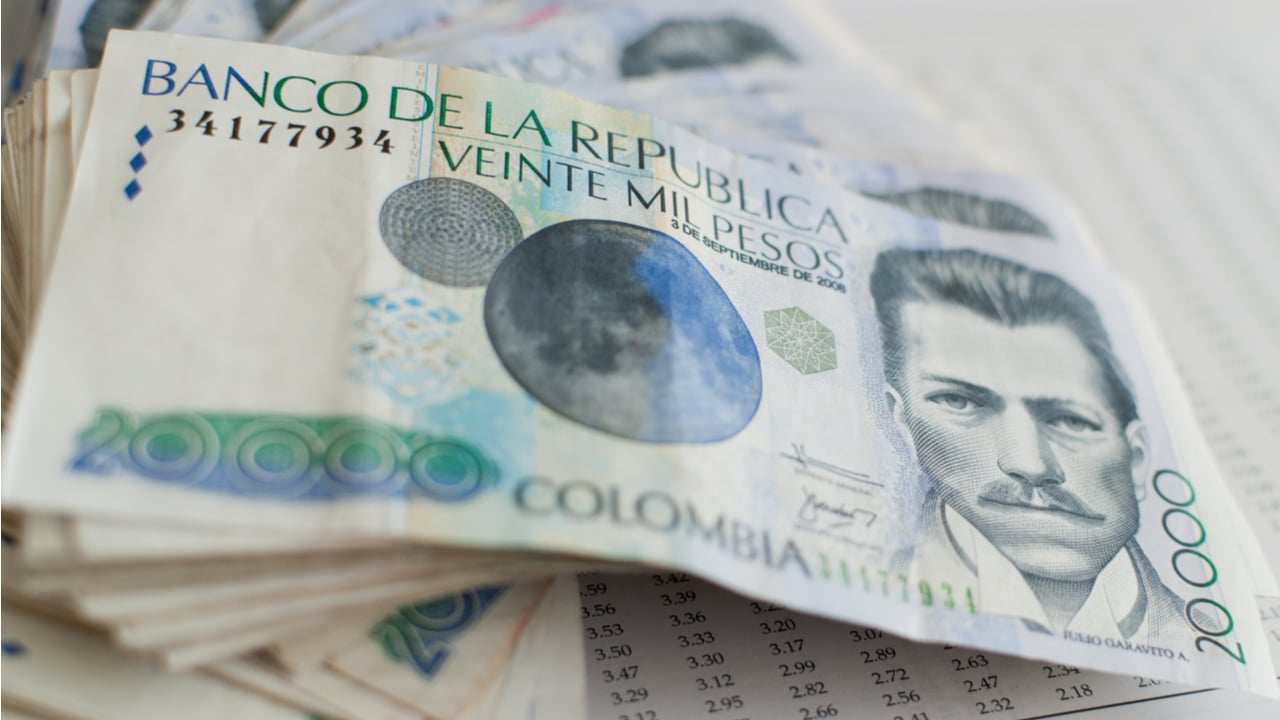
Colombia’s government revealed plans to create a digital currency. This new currency is intended to combat tax evasion, and improve traceability for transactions by citizens. Additionally, the proposed measures would include restrictions on cash payments or transactions in excess of 10,000,000 Colombian pesos ($2,400).
Colombia launches its own digital currency
In order to improve their control over the money flowing through their economies, many countries now want to digitize a part of it. According to Luis Carlos Reyes (head of DIAN in Colombia), the government of Colombia plans to create its own digital currency within the next few years.
Reyes said that Gustavo Petro would make this suggestion to cut tax evasion. It is estimated that it amounts to between 6% to 8% of Colombia’s gross domestic product. Reyes explained that this new digital currency was designed to improve the transparency of transactions, so that merchants can’t evade taxes by using cash payments.
Reyes gave the following estimate on the effectiveness of this measure:
It is the equivalent of six to eight tax reforms in the country with which a maximum 1% or 1.5% GDP has been achieved.
Reyes, however, did not reveal details about the digital currency nor how it would function alongside traditional payment systems.
Cash restrictions
Additional measures will be taken to ensure the success of the digital currency. A restriction on cash transactions exceeding a specified amount is one of the measures. Reyes stated that the amount in question would be approximately 2400 dollars or 10 million Colombian pesos.
These changes could affect the payment systems of Colombians. Despite the fact that cash was less popular during the Covid-19 epidemic, it is still the most common method of payment in Colombia. The Central Bank of Colombia statistics show that bills have seen a rise in their circulation over the last 17 months.
Data from the Financial Superintendency shows that Colombians prefer to pay in cash for transport (94%), grocery (80%), top-ups on cell phones (78%), rent (77%), and groceries (80%).
Let us know your thoughts on the Colombian proposal for a digital currency and any restrictions placed upon cash payments. Comment below.

Images CreditsShutterstock. Pixabay. Wiki Commons
DisclaimerThis article serves informational purposes. It does not constitute an offer, solicitation, or recommendation of selling or buying products or services. Bitcoin.com is not a provider of investment, tax, legal or accounting advice. The author and the company are not responsible for any loss or damage caused by the content or use of any goods, services, or information mentioned in the article.


