Ever wondered if a burst of bold confidence could flip the market? China’s stock scene is buzzing right now as investors mix trusted companies with fresh startups.
Imagine Shanghai and Beijing as neighborhoods where long-established businesses and new ventures share the same streets. Today, we're breaking down how smart rules and global ties are kicking growth into high gear.
Isn’t it amazing how a little confidence can shift your whole view on international investing?
China Equity Markets Surge With Investment Optimism
China’s stock scene is like a lively town built around three main markets: the Shanghai Stock Exchange, the Shenzhen Stock Exchange, which has both the STAR Market and ChiNext, and the Beijing Stock Exchange. Each one has its own character. Think of them as different neighborhoods where one is busy with large companies and another is buzzing with exciting new businesses.
Shanghai and Shenzhen do more than just offer lots of activity. Through the Stock Connect programs linking them with Hong Kong, global investors find it easier to join in. Back in November 2014, a key change let foreign investors hold up to 30% in any single firm on the Shanghai market. This shift open the market even more, sparking a buzz of confidence and promise of steady growth.
Then there’s the Beijing Stock Exchange, which mixes things up by focusing on fresh, innovative sectors. Each market is like a dedicated lane on a busy highway, tailor-made for both traditional manufacturing giants and nimble startups. This smart design supports clear rules and honest oversight, making it simpler for anyone to find an investment that fits just right.
Recent Performance Trends in China Equity Markets: Returns, Valuations, and Capital Flows
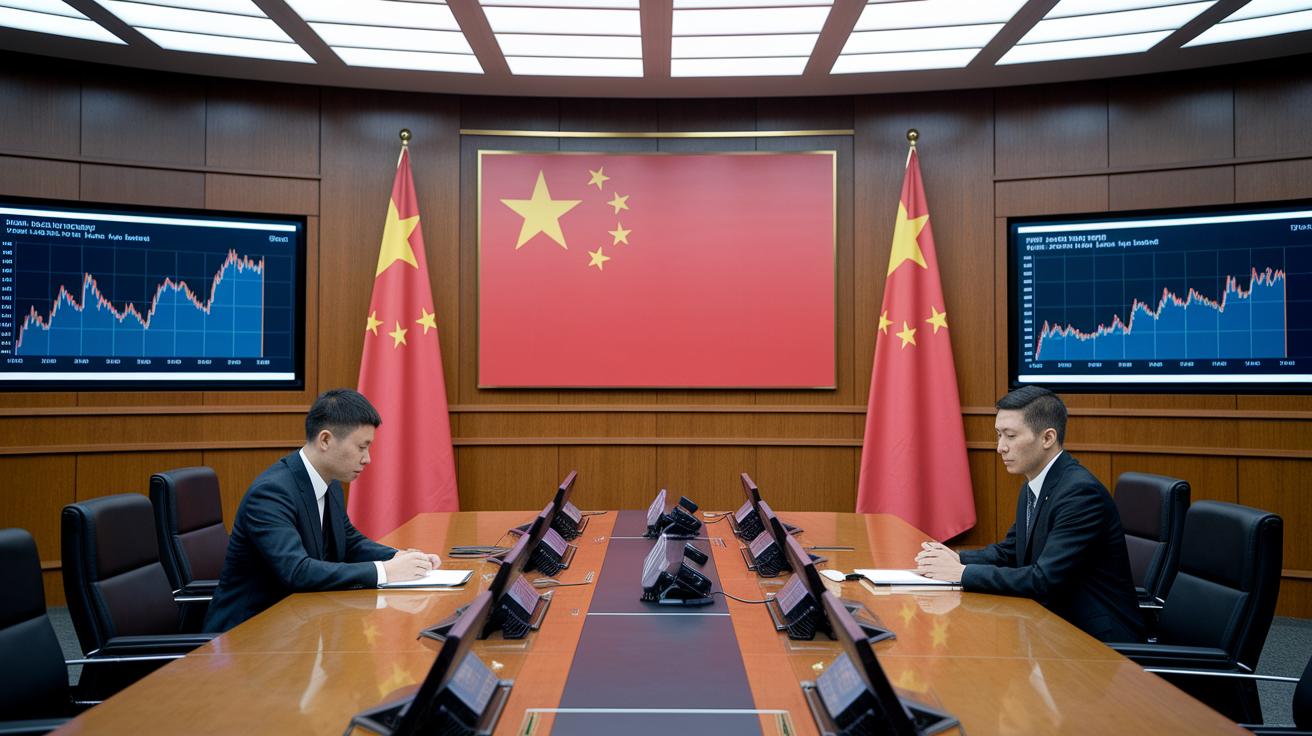
China’s offshore equity scene is on an upswing. Returns have hit about 20% so far this year, and since last September’s low, there’s been nearly a 40% boost. Investors are keeping an eye on forward price-to-earnings ratios, 11.5 times for MSCI China and 13 times for the CSI 300. It’s like watching a familiar dance with a few unexpected twists. The narrowing gap in U.S.–China interest rates and the noticeable shuffles of the yuan have made the market feel lively and unpredictable. Basically, even as global trends still pull at its seams, opportunities are emerging amid the market roller coaster.
Recent money movements add even more flavor to the picture. For instance, Southbound Stock Connect has seen net buying of around US$78 billion this year, which is roughly 75% of what experts predict for all of 2024. Sounds impressive, right? Investors are now thinking that 2025 could see flows reach up to US$110 billion. With strong liquidity and appealing market valuations, many are moving cautiously but confidently, using clear data to navigate the ups, downs, and surprises. It’s all coming together, helping build a foundation for long-term strength and steady confidence.
| Metric | Value | Timeframe |
|---|---|---|
| YTD Return | 20% | Year-to-Date |
| Post-Bottom Gain | 40% | Since September |
| MSCI China Forward P/E | 11.5x | Current |
| Southbound Net Flows | US$78 billion | Year-to-Date |
Sector and IPO Dynamics in China Equity Markets: From STAR to Main Boards
China’s main boards have been a real force when it comes to raising cash. Even though last year’s totals dipped a bit compared to 2022, many folks are still buzzing with hope for what 2024 will bring. The Shanghai and Shenzhen exchanges keep their spot among the world’s leaders in IPO fundraising. Even when listings slowed down a little, strong companies found a steady stream of capital that kept them moving forward. Plus, the varied board setup lets fresh tech startups and long-established companies each attract money their own way.
Take a closer look at how things are split up. The STAR Market, for example, has become the go-to place for high-tech firms while ChiNext continues to back fast-growing small and medium enterprises. Then there was DeepSeek’s R1 launch on January 20, 2025, a moment that really sparked interest and pushed AI stocks higher. And it doesn’t stop there; major internet companies are gearing up to spend about RMB1 trillion over the next two or three years. That isn’t just a passing trend, it’s a deep strategic push that creates a dynamic playground with plenty of opportunities for investors.
Here are some key takeaways:
| Key Point | What It Means |
|---|---|
| Fewer IPOs in 2023 | A lighter listing year that sharpens the focus on quality deals |
| STAR Market Focus | High-tech companies are drawing in innovative ventures |
| DeepSeek’s R1 Launch | Set off a fresh wave of enthusiasm for AI stocks |
| Big Spending Plans | Internet giants are planning around RMB1 trillion in capital expenditure over the next 2–3 years |
All in all, these trends paint a picture of a vibrant market. With smart fundraising and specialized boards in play, there’s a solid foundation for ongoing investment optimism.
Regulatory Environment of China Equity Markets: Policies, Interventions, and Reforms
The Chinese government is actively using monetary tools to boost the market as it eyes its 2025 GDP target. They’ve made modest cuts to reserve requirements so that banks have more cash to lend. Plus, there’s been a clear push to spend more on infrastructure projects, which helps create jobs and improve long-term productivity. All these steps build a sturdy financial setting where investors can feel confident, even if market ups and downs don’t seem to affect GDP growth much.
The government is also tweaking trading rules to keep the market stable. For instance, they decided not to allow T+0 trading, a move meant to reduce over-speculation and cut down on frantic trades. By lowering transaction costs and encouraging longer-term strategies, they’re helping investors focus on solid fundamentals. Think of it like tightening a few loose strings on an instrument to bring everything into harmony.
Direct market interventions also play a key role in maintaining stability. With clear guidance for brokerages and tighter controls on risky practices, the authorities are helping to limit wild market swings. These carefully measured actions keep investor sentiment steady, even when things feel uncertain. Overall, the blend of monetary adjustments, revised trading rules, and hands-on measures shows that policymakers are dedicated to creating a strong and orderly equity market.
Comparative Analysis of China Equity Markets and Global Peers
China’s stock market has its own mix of strong points and tricky challenges compared to other countries. For instance, MSCI China shows a forward price-earnings ratio of 11.5x, which is lower than the numbers we usually see in the US. This lower number is like a hidden gem for value investors. But then, narrowing differences in US–China interest rates and a bumpy trade atmosphere make everyone pause and rethink the idea of export-led profits. Plus, short-lived cash flows into the market that affect the yuan add another twist. Think of it like comparing two sports cars: one with solid performance but a few quirks versus another that’s affected by unpredictable road conditions. That’s pretty much how China fairs against its global rivals.
When you stack China up against other emerging markets, things get even more interesting. Experts say that while China beats some emerging market peers, it still lags behind others when global demand slows down and policy changes take hold. This mix of gently optimistic hope and careful doubt has investors constantly reevaluating their bets. Imagine finding a well-priced stock that is suddenly overshadowed by unexpected trade news, it's a reminder that weighing potential gains against risks is a never-ending balancing act.
Investment Strategies and Risk Management in China Equity Markets

A lot of investors have made good choices by zeroing in on companies with strong basics and solid, steady earnings. They use a bottom-up approach, which means they look closely at each business instead of just following the latest market trend. Imagine picking a firm known for its consistent profits and reliable leadership, it’s a bit like finding a hidden gem in a busy market. This way, you get a clear picture of which stocks can handle sudden market changes and shifts in global trade.
Risk management is a big deal in these strategies. Investors keep a close eye on things like changes in currency values and trade tensions between the US and China, which can quickly change the value of their investments. Putting all your money in one sector, especially when everyone gets excited about it, really ups the risk. That’s why many choose to spread their investments around. Some even use products that include built-in safety nets, kind of like having an umbrella handy during a sudden rainstorm.
Staying focused on the long haul is key in a fast-paced market. While investing in companies that benefit from AI might boost overall returns, it’s important to be cautious with other areas. This balanced approach mixes a bit of optimism with careful planning. By choosing stocks that offer both growth and protection, investors get ready to handle market ups and downs while still growing their wealth over time.
Final Words
In the action, we traced china equity markets from the organizational framework of key exchanges, through recent performance trends and vibrant IPO and sector dynamics, to a careful look at the regulatory environment and a comparative global analysis. We then shifted focus onto practical investment strategies and risk management, breaking down how solid fundamentals and diversified portfolios can offer a buffer against market fluctuations.
Positive steps forward mean more informed decisions and a clearer view of tomorrow’s opportunities.
FAQ
What are China equity markets today, live updates, and live charts?
The China equity markets today provide real-time data from major exchanges, including live charts that display performance trends, trading volumes, and capital flows for a clear view of current market conditions.
What do China equity market charts and graphs show?
The charts and graphs reveal performance trends such as index movements, valuation spreads, and changes in trading activity, offering investors a visual summary to aid in timely decision-making.
How does the Shanghai Stock Exchange operate and provide live information?
The Shanghai Stock Exchange is a key player in China’s equity markets, offering live trading data and up-to-date performance metrics that help investors track market movements and investment opportunities.
What is the China stock market index?
The China stock market index tracks the performance of key Chinese listed companies, reflecting overall market sentiment and trends, which serves as a benchmark for gauging economic progress.


