Ever catch yourself splurging on a little treat even when you know saving is the smart move? Research in behavioral economics shows that small nudges can help turn everyday spending into solid saving habits. Imagine getting a quick text reminder that every extra dollar you spend could be a dollar away from that dream vacation.
In this chat, we’re diving into some friendly, science-backed tips to help you spend less and save more. Whether it’s rephrasing the way you think about spending or setting up automatic transfers, these small tweaks can really add up.
Ready to see how tiny shifts can lead to big wins for your wallet?
Using Behavioral Economics Strategies to Boost Your Savings
Sometimes, handling your money feels tough, especially when simple cravings, like that extra piece of cake or a concert ticket on sale, tempt you away from your budget. Behavioral economics teaches us that these reactions are totally normal. Imagine getting a quick text that reminds you, "Every impulsive dollar is one less for your dream vacation." It’s a friendly nudge to steer you away from spontaneous spending.
One handy trick is to change how choices are laid out. You know, when you have to actively choose a savings option while setting up your paycheck plan, you’re more likely to stick to it. Even a straightforward yes-or-no question during these routine decisions can really cut down on overspending.
Another cool idea uses the power of the framing effect. Think about it like this: if you hear, "Skipping savings now could cost you a bonus later," you might want to save instead to avoid that loss. People naturally want to avoid losing out, and that little shift in words can help you feel more motivated to stash away some cash.
And then there are commitment devices. Setting up automatic transfers from your paycheck straight into your savings is like making a quiet promise to your future self. Little changes in how you make decisions every day can really turn into strong habits that slowly build your financial health. Every gentle nudge, whether it’s a direct deposit into your savings or just a simple reminder of your options, helps you spend more thoughtfully and protect your wallet in the long run.
Choice Architecture Tactics for Saving Money

Active Choice Method
Instead of letting important choices fade away, the active choice method asks you to decide right away. Imagine you’re opening a bank account and someone asks, "Do you want to set aside a bit of your paycheck for savings?" This clear, yes-or-no question helps cut through decision fatigue and puts saving right on your radar. Studies even show that people who actively choose to save early on often build habits that strengthen their financial future.
Automatic Enrollment
Many financial institutions now make saving almost automatic by putting you into savings plans by default. This means you don’t have to worry about making a decision every time. With participation rates soaring above 80%, it’s like having your savings set on autopilot so you can focus on what matters most, your long-term goals.
Auto-Escalation
Ever notice how small changes can add up? Auto-escalation does just that by gradually bumping up your savings contributions when you get a pay raise or hit a milestone at work. Each paycheck nudges you to save just a little more, so you can build your savings without feeling a big pinch. It’s all about using gentle prompts and clear decisions to weave saving into your daily routine.
- Keep things simple and focused on making decisions.
- Use friendly prompts during key financial moments.
- Track your progress so every little step reinforces your savings habit.
Mental Accounting for Saving Money: Buckets and Budgets
Have you ever thought about giving each dollar its own little job? Instead of treating all your money the same, try imagining it divided into separate buckets, each with its own goal. Many savvy savers don't wait for a miracle, they set aside money as if every dollar already has a purpose, whether that’s for an upcoming vacation, a rainy day, or holiday treats.
Picture a row of envelopes or digital buckets labeled "Fun," "Secure," and "Soon." It’s a bit like having a mini promise for yourself every time you set money aside. Whether you’re a fan of the classic envelope system or you prefer managing your funds online, naming each part of your savings makes your goal feel real and keeps you honest.
Think about it this way: when you see a bucket titled "Holiday Spending," you're more likely to pause before splurging on something unexpected. That clear label serves as a daily nudge, a friendly reminder of what that money is meant for. It's like having a small guardian for each fund, steering you away from impulsive buys.
In truth, breaking your savings into distinct parts turns your money into personal promises. Each envelope or digital pot helps you resist the lure of spending on things that might derail your goals, offering steady, gentle discipline in a world full of instant temptations.
Reducing Friction and Automating Savings
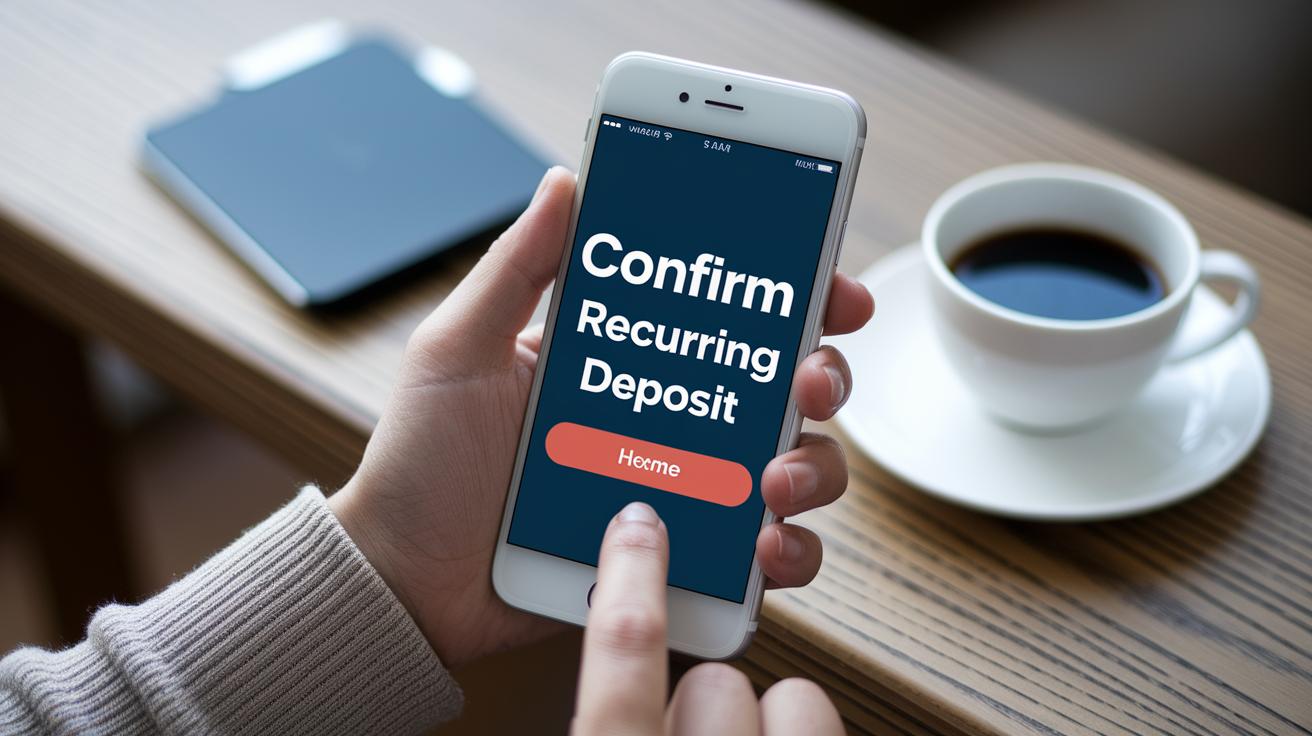
Saving becomes a breeze when your systems work together. Automatic enrollment moves funds to your savings account without you even having to think about it, while auto-escalation smartly adjusts your savings as your income grows. Picture this: you log into your banking app and see a prompt asking, "Confirm your recurring deposit?" With just two taps, you could boost your savings by up to 30%. It’s like setting your money on autopilot, watch it grow with every paycheck.
This smooth setup cuts out extra steps and lightens your mental load. Since you’re not manually approving transfers every time, you dodge decision fatigue and form a steady saving habit. In fact, studies in behavioral finance show that folks who use these seamless methods tend to save more over time.
Gamification and Incentives to Encourage Saving Money
Imagine saving money feels as fun as playing your favorite game. SaverLife’s "Scratch & Save" program gives you a $5 reward every week when you hit your savings goal. It’s like turning saving money into a playful challenge instead of a dull task. When you spot a chance to earn a small prize, your natural drive to win makes it easier to keep going.
Now, think about the Sunny Day Fund. You get a bonus of $25 to $50 just for signing up, plus an extra $200 to $300 each year when you stay consistent with your net savings. Picture getting rewarded for every good financial move you make, like scoring a goal in a game. Each win gives you another boost to save even more.
These game-style rewards work because they tap into our love for little victories. They turn saving money into a series of fun, rewarding moments that add up over time. It’s a simple way to make smart money choices without feeling overwhelmed.
Using Loss Aversion and Framing to Protect Your Savings

When you dip into your savings, you might unknowingly give up rewards you've already earned. Imagine a sign saying, "Save now to keep your $50 employer match." It plays on the natural sting of loss, nudging you to hold onto your money rather than face the regret of missing out on bonuses.
Instead of warning that money might vanish if you don't save, consider a friendly reminder: "Every dollar saved is a small victory." This simple change in wording turns saving into a series of wins, making it feel more like a reward rather than just preventing a loss.
Link your savings to the dreams and moments that truly matter. Picture a reminder that says, "Each deposit brings you one step closer to that long-awaited family picnic." This kind of message makes saving feel personal and rewarding, tying each decision to real-life goals and memories.
Commitment Devices and Delaying Gratification for Saving Money
Setting clear savings goals feels a bit like shaking hands with your future self. It’s a promise you can see and even feel. For example, if you say, “I’ll save $500 for a rainy day,” you’re making a mini contract with yourself. Whether you jot it down on paper or type it out on your phone, that note sticks with you every time you think about spending.
Sometimes, putting simple rules in place can help you pause and think. Maybe you decide to wait 24 hours before buying something. That little delay gives you time to check if the purchase really matches your bigger plans. And if you share your goal with a friend, it turns into a public promise that makes it even stronger. It’s like setting up automatic money transfers from your paycheck into a savings account, a quiet contract that helps you stay on track, even when you feel tempted.
Using tools like phone reminders or a jar labeled “savings” can really keep you focused. Over time, these little commitments build a steady bridge from your everyday choices to a brighter financial future.
Final Words
In the action, we explored how behavioral economics concepts can shape your saving habits. We examined tactics like active choice and automatic enrollment, broke down mental budgeting techniques, and showed how reducing friction and leveraging gamification can steer spending decisions. Practical methods such as framing savings as gains and using commitment devices can help curb impulsive decisions.
Embracing behavioral economics strategies for saving money creates a path to lasting progress.
• Keep decision steps simple
• Set intuitive defaults
• Recognize and celebrate small wins
FAQ
Behavioral economics strategies for saving money pdf
The document on behavioral economics strategies for saving money explains using smart techniques like direct paycheck transfers and mental accounting to overcome spending impulses and boost savings.
Why are the Robinsons wealthier than the Murrays
The wealth gap between the Robinsons and the Murrays is explained by differences in spending discipline and applying smart saving methods, where one group uses structured budgets while the other does not.
Which factor is important to consider when building a savings fund for planned, long-term needs?
The factor most important in building a long-term savings fund is setting clear financial goals and automating transfers, which equips you to meet planned needs and stick with your budget.
What strategy is most effective for saving money?
The most effective saving strategy involves automating your savings with features like auto-enrollment and auto-escalation, complemented by mental accounting that directs funds into designated spending buckets.
What is the behavioral economics of money?
The behavioral economics of money refers to how our biases and emotional impulses drive spending habits, prompting methods that nudge you toward better choices like automated saving and clear budgeting.
What is the 50/30/20 rule for saving money?
The 50/30/20 rule advises dividing your income into halves for necessities, lifestyle, and savings/debt repayment, making it easier to plan your budget and strengthen your financial stability.
What is the 7 rule for savings?
The 7 rule for savings is a guideline that suggests dividing income among various financial priorities, though its exact breakdown can differ. It offers an alternative path to balanced saving practices.
- Use active choice prompts during app or portal sign-up to encourage savings decisions.
- Set default enrollment or auto-escalation options to simplify the saving process.
- Clearly label savings buckets to help users track and manage their financial goals.


