Have you ever noticed that the market sometimes behaves like it has a mind of its own? We don’t always make decisions based purely on hard facts. Instead, our feelings and little personal quirks often step in.
This post breaks down how those human elements create odd patterns, like surprising shifts in early January or changes by week’s end based on mood. It turns out that our hidden biases can push prices in ways that defy what we usually expect.
How Behavioral Economics Explains Market Anomalies
Traditional economics tells us that everyone is a perfectly rational decision-maker with all the facts at hand. But we all know life isn’t that neat. Behavioral economics digs into how our feelings and little irrational quirks can make us stray from what logic alone would suggest.
Market anomalies pop up when the market behaves in ways the Efficient Market Hypothesis (EMH) doesn’t predict. EMH thinks asset prices show everything we know, yet odd patterns, like certain days or seasons acting out of line, hint that moods and mental shortcuts have a say too.
- January effect: Think about how, in early January, investors tend to buy smaller stocks. This isn’t just chance, it may come from an overreaction after tax-loss selling, as a burst of emotion nudges prices up.
- Weekend effect: Ever feel a shift in mood at the start versus the end of a week? That tweak in sentiment can lead to lower returns on Mondays.
- Momentum: Sometimes, when a stock’s price starts rolling up, more people jump in because they see others winning, further pushing the trend.
- Reversal pattern: After big price moves, investors might flip their positions out of regret or caution. This change often pulls prices back toward a more expected level.
These trends remind us that market movement isn’t just about hard data; it’s also stirred by human emotions and the way we think. By bringing in ideas like loss aversion, bounded rationality, and herd behavior, experts can trace how psychological factors change what we see in the market, turning what seems to break the rules into a story about us all.
Behavioral Economics Theories Underpinning Market Anomalies

Back in the mid-1900s, smart folks started to notice that our thoughts aren’t always as logical as we might assume. They began mixing ideas from psychology with finance, discovering that our feelings and mental shortcuts often nudge us away from the perfect, rational decisions that old economic theories expected. This fresh look at the market opened up new ways for us to understand and even predict unusual trends.
-
Prospect Theory insights: Think of it like this, you might feel the sting of a loss much more sharply than the joy of a similar gain. It means that when the market dips, we tend to overreact because losses hit us harder than wins balance out. This little quirk can really shake things up in the market.
-
Bounded Rationality Models: Imagine trying to solve a puzzle with pieces missing. That’s what it’s like for decision-makers who must work with limited info and brainpower! In these cases, we often make simpler decisions, which can push asset values off their usual track and lead to those strange market moves.
-
Mental Accounting Effects: Ever set aside money mentally for different things? That’s exactly it. People often split their cash into separate buckets in their minds, and this can warp how they see risk. The outcome? Investments can go off track in ways standard theories just don’t cover.
-
Heuristic frameworks: We all like our shortcuts, like leaning on what just happened or a gut feeling. But using these quick rules can sometimes lead to consistent mistakes in how we judge things. Those little errors add up, creating the market oddities we sometimes see.
Together, these ideas show us that a mix of human feelings and our limited ability to process information can explain why the market doesn't always behave the textbook way. It's a reminder that even in the world of dollars and data, our human quirks leave a big mark.
Cognitive Biases and Investor Psychology in Market Anomalies
Investor behavior often shapes the market in surprising ways. Overconfidence and anchoring, for example, can skew market movements alongside familiar tendencies like loss aversion and following the crowd.
Overconfidence bias can lead a trader to ignore important details. Imagine someone riding a tech surge who makes too many trades, pushing prices higher than they should go. Before the bubble burst, many investors got so sure of their choices that they drove prices to unsustainable levels, only to see a crash when earnings didn’t live up to expectations.
Loss aversion is another common challenge. Even a small dip in price might cause panic, prompting investors to sell quickly and drive prices down even more. It’s like when a tiny loss snowballs into a bigger one because everyone rushes to exit their positions.
The anchoring effect happens when traders hold on to old numbers. Take a biotech stock, for instance. Some investors might keep using the original IPO price as a guide, even when new information suggests that the true value is lower.
Then there’s herd behavior. Many investors simply follow the crowd without independent analysis. During a rapid rally, one wave of similar trades can inflate prices until a sudden reversal triggers a steep sell-off.
When these biases mix, like a trader overtrading while sticking to outdated price points, the market can swing wildly. Loss aversion and herd behavior only add to the volatility, creating unpredictable and intense market moments.
Empirical Analysis of Market Anomalies in Behavioral Economics
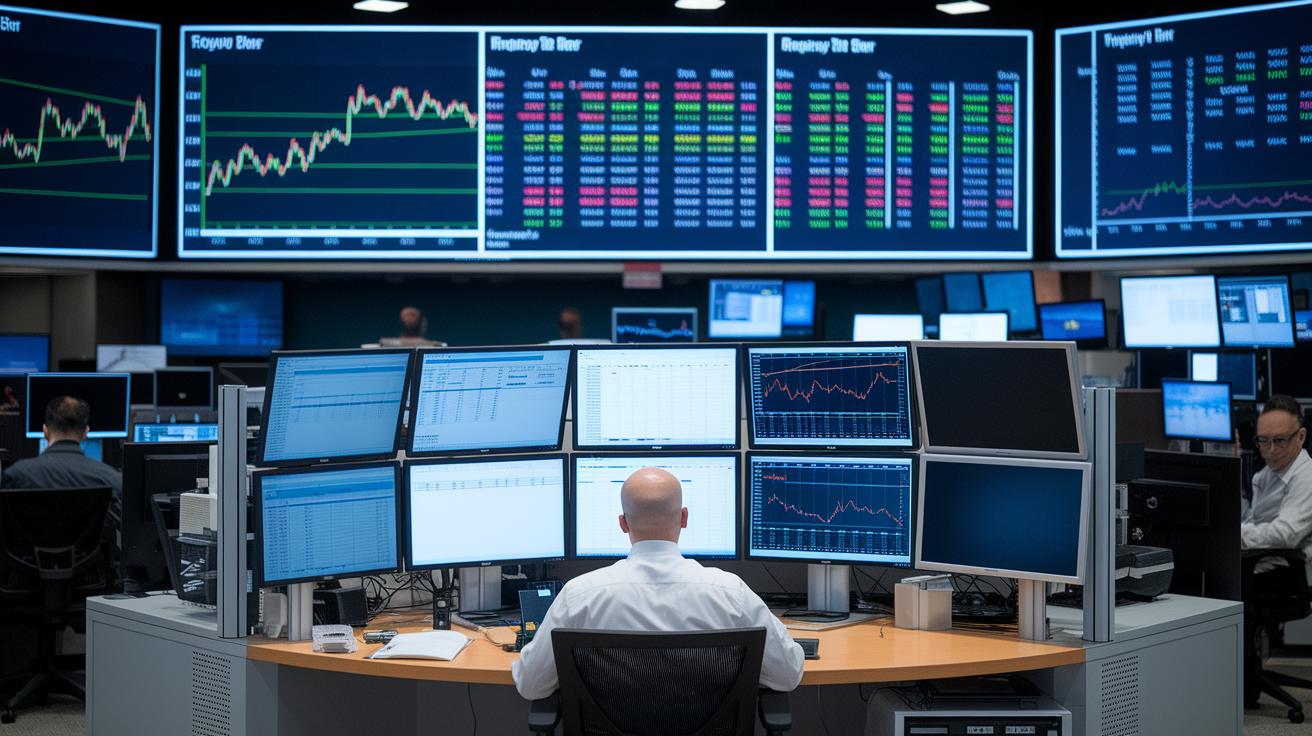
When you dig into behavioral finance, real market data really shows how our feelings and quick judgments can sway prices. Looking at years of market returns, experts see patterns that old theories just can’t make sense of. It’s like watching the steady pulse of market moves, where tiny quirks guide big price shifts and trading decisions.
Take a closer look at some common anomalies below:
| Anomaly Type | Behavioral Explanation | Empirical Finding |
|---|---|---|
| January Effect | After intense tax-loss selling at year’s end, investors get a burst of optimism that boosts small stocks. | Small-cap stocks show an average gain of about 1.2% each January (1960–2020). |
| Weekend Effect | Trading moods shift over the week, making investors more cautious on Monday mornings compared to Friday exuberance. | The S&P 500 tends to drop about 0.05% on Mondays and rise around 0.07% on Fridays. |
| Momentum | When prices start rising, more investors jump on board, pushing the trend even further, a real herd instinct at work. | Over the past 12 months, top performers beat laggards by roughly 10% per year (Carhart, 1997). |
| Reversal Pattern | Big price moves can trigger overreactions; investors then flip their positions to what feels fair. | About 60% of extreme moves in one month tend to reverse the following month. |
These patterns aren’t just academic interest, they really impact how our markets function. Regulators watching these shifts can get a better sense of market mood and overall stability. And since factors like economic uncertainty can push these metrics around, it gives clues on when to step in and ease wild swings. In truth, this solid, data-based approach makes it easier to manage risk and fine-tune the rules that help keep our markets smooth and fair.
Regulatory Influence on Behavioral Market Anomalies
Policymakers are now leaning on behavioral science to help steady the ups and downs of the market. They’ve learned that investors don’t always stick to logical decisions, so new tools are in place to dial down overconfidence and the urge to follow the crowd. In simple terms, these measures help calm the market by encouraging more thoughtful, informed decision-making, so the wild price swings brought on by emotional trading become less of a problem.
- Mandatory risk-disclosure: Firms must clearly explain the risks linked to their investment products, which helps investors steer clear of over-optimism.
- Smart defaults: By setting longer-term, stability-focused options as the norm, these rules gently push investors away from making snap decisions.
- Trading-tax measures: These taxes make rapid, excessive trading less attractive, cutting down on those momentum-driven price jumps.
These steps have shown promise in softening extreme market behaviors. Yet, challenges stick around. Some rules might be too strict or face resistance from industry insiders. So, policymakers are constantly fine-tuning these methods, learning from ongoing market feedback and fresh behavioral insights to keep risks in check and support steadier market conditions.
Debiasing Strategies in Behavioral Economics and Market Anomalies

Investors and big institutions are starting to see how cutting through mental shortcuts can lead to smarter choices. When we let our gut feelings and snap decisions take over, even the best plans can falter. So, having simple, practical methods to check those biases is a real game-changer.
-
Pre-commitment devices: Think of these as built-in rules that help prevent impulsive trades by automatically rebalancing your portfolio based on set criteria. They keep you on track with your long-term goals instead of getting caught up in momentary market swings.
-
Decision checklists: This is like having a handy reminder list to catch common mistakes. By reviewing your decisions step-by-step, you make sure every move is based on clear rules rather than fleeting emotions.
-
Algorithmic tools: These tech-driven filters stick to data-based rules, reducing the chance of making a rash, emotion-driven decision. They act as a steady guide in a busy market where feelings might otherwise lead you off track.
And as things change, it’s important to keep an eye on how these tactics are working and make tweaks as needed to stay ahead of bias.
Future Research Trends in Behavioral Economics and Market Anomalies
Researchers are shaking up the game by using smart, machine-learning tools and heaps of real-time data to find little quirks in market behavior that older methods tend to miss. Imagine trying to pick up the gentle rhythm of market moods with a high-speed camera, one study even showed that AI spotted behavior shifts which human eyes overlooked!
Scientists are also mixing ideas from brain studies with experiments that gently nudge our choices. They use brain scans and simple tests to catch tiny signals that might tell when an investor is about to decide based on emotion instead of logic. And it’s pretty cool how this blend of neuroscience and market insight is opening new doors for better policy experiments.
Meanwhile, models that predict our behavior are getting a lot of buzz. By simulating how investors think and checking real-time info, these models can sometimes warn us when unusual market moves are about to hit. In other words, such advances promise sharper forecasts, helping investors and policymakers manage risks in today’s ever-changing economic world.
Final Words
In the action, we explored how behavioral economics challenges traditional views by explaining market anomalies like the January effect and weekend effect. We broke down how investor psychology, empirical research, and regulatory moves shape market trends. The discussion even touched on debiasing strategies and promising future research areas. These insights equip us with fresh perspectives to help guide informed decision-making using behavioral economics and market anomalies insights. Keep experimenting with these ideas, and let your curiosity drive smarter choices!
FAQ
What are examples of market anomalies in behavioral economics?
The examples include the January effect, weekend effect, momentum, and reversal patterns. These anomalies arise when investor emotions and biases cause deviations from traditional, rational market predictions.
What is behavioral finance theory?
Behavioral finance theory examines how feelings and cognitive shortcuts affect decision-making. This perspective shows that investors often make choices influenced by overconfidence, loss aversion, and herd behavior instead of clear rational analysis.
Where can I find PDFs or notes about behavioral economics and market anomalies?
Many academic resources offer PDFs and notes on these topics, covering everything from basic behavioral theories to detailed case studies of market anomalies and empirical evidence supporting them.
What are behavioral biases in investment decision-making?
Behavioral biases such as overconfidence, loss aversion, anchoring, and herd behavior lead investors to deviate from rational choices. These biases often contribute to the creation and persistence of market anomalies.
What are the main market anomalies in behavioral finance?
The main anomalies include the January effect, weekend effect, momentum, and reversal patterns. Each pattern highlights how psychological factors and decision errors explain moves that traditional market models struggle to predict.
What problems are associated with behavioral economics?
Problems with behavioral economics include difficulties in quantifying psychological influences and predicting market trends. The inherent complexity of human behavior means that market movements often defy simple, rational models.
What information does Wikipedia offer about behavioral finance?
Wikipedia provides overviews of key ideas, historical development, and core theories in behavioral finance. It explains how investor psychology leads to anomalies and offers a broad context for understanding these market phenomena.


