Ever noticed how car sales seem to be picking up speed? New vehicle sales around the globe are on the rise, and car makers are tweaking their models to meet increasing demand.
It’s like getting ready for a big celebration, where every part has its own role to play. Rising sales, fresh electric models, and smarter production techniques are all in the mix.
Intriguing. These changes could spark real growth and open up exciting new opportunities in the auto industry.
Overview of Worldwide Automotive Trends and Key Drivers
Global new vehicle sales are predicted to hit 89.6 million units in 2025, hinting at a steady yet upbeat comeback for the automotive world. Think of it like getting ready for a big celebration, manufacturers are tuning their models, watching the pulse of market trends, and gearing up for a bustling event, even with some hurdles still in the way.
In the U.S., things have been a bit bumpy. Early 2024 showed a slowdown because there aren’t enough cars on the lot and prices are climbing. It’s a bit like your favorite eatery running short of seats when everyone’s hungry, demand stays high while supply lags behind. Dealerships are feeling that squeeze with fewer options and longer delays, so it’s time to rethink supply tactics and ease those price pressures.
For the past 20 years, the global auto parts market has quietly grown, proving its vital role in keeping things running smoothly long after you drive off the lot. Picture a well-tuned machine where every small part plays its part perfectly; that’s what keeps vehicles humming along and car enthusiasts happy.
Electric Vehicle Disruption in Automotive Trends
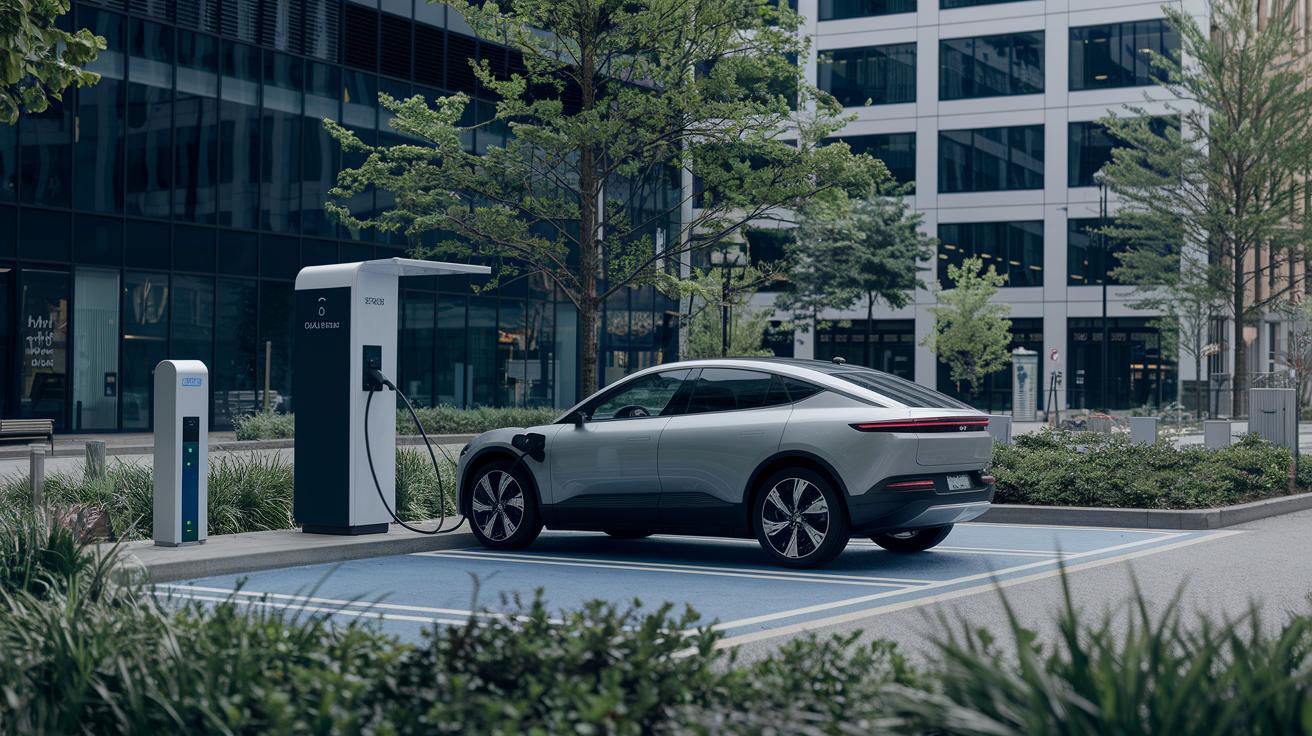
Have you ever noticed how the automotive world is shifting gears? It seems like electric vehicles are finally stealing the spotlight from traditional gas-powered cars. Even though the road to change isn’t perfectly smooth, EVs are quickly becoming the new normal as consumers and manufacturers embrace cleaner, greener driving.
Manufacturers are busy rethinking their game plans. They’re pouring resources into better batteries and smarter production techniques. Imagine a production line humming with energy and innovation, that’s the reality as carmakers upgrade their models with longer ranges, faster charging, and more intuitive performance features. It’s like watching a burst of creative electricity transforming the auto industry right before our eyes.
Key forces fueling this shift include:
| Key Factor | Impact |
|---|---|
| Government incentives and mandates | Rules and rewards that push for cleaner cars. |
| Battery cost declines and range improvements | Better batteries mean more affordable, longer-lasting EVs. |
| Expansion of charging networks | More places to power up, making EVs even more practical. |
| Hydrogen FCEV research and deployment | Exploring another exciting, clean energy option. |
Looking ahead, things are set to speed up even more. Experts believe that as the demand for EVs grows, the charging landscape will expand too. At the same time, ongoing research into hydrogen fuel cell vehicles offers an intriguing backup plan for zero-emission travel. All this points to an electric future that’s not just cleaner but full of promise and innovation.
Autonomous Driving and Connectivity in Automotive Trends
Autonomous Driving Adoption Drivers
Sensor tech is getting smarter, and with more city testing and regulatory pilot programs, self-driving cars are inching closer to real-world trials. Carmakers are trying out Level 3 and Level 4 systems right on busy streets, where improved sensors and clever software let vehicles handle tough situations as if they were on a perfectly tuned sports bike instead of a wobbly bicycle. It’s like moving from training wheels to something that just feels right, suddenly, every turn and stop is more precise and safe.
These real-life city tests and pilot programs are showing everyone that self-driving tech really can work under everyday conditions. Manufacturers and drivers alike are gaining trust as they see these systems in action. In someplace as bustling as a busy downtown, even a small-scale test can reveal that with the right equipment, even tricky spots become much safer.
Infotainment and Connected Service Innovations
With the arrival of 5G and more devices getting online through IoT, driving is turning into a more connected, vibrant experience. Imagine your car updating itself while you’re on the road, tuning in to traffic tips, streaming your favorite tunes, and even checking its own health, almost like having a helpful buddy riding shotgun.
Connected services have grown beyond just good music and fun apps. Today's in-car systems offer real-time diagnostics and remote features that let you feel more connected to your vehicle. These upgrades allow car makers to fine-tune everything quickly, ensuring that your journey stays both safe and enjoyable.
Digital Transformation Shaping Automotive Trends
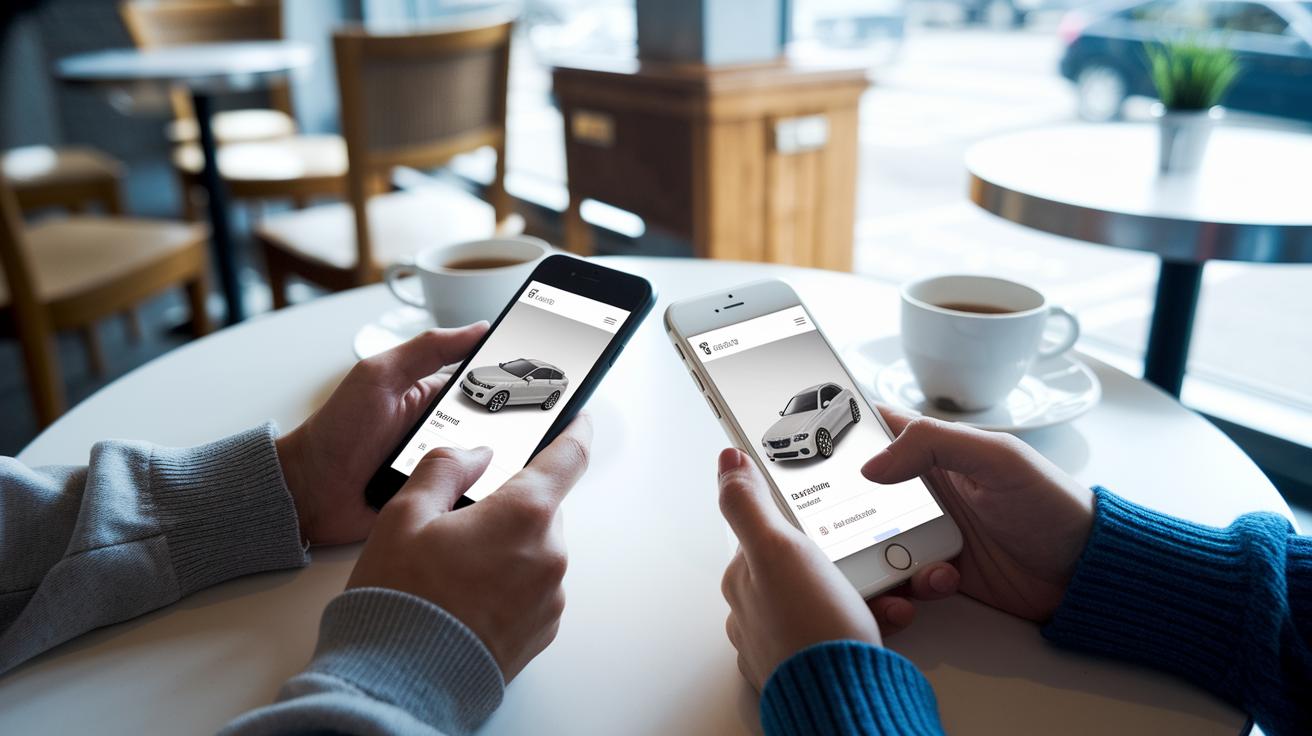
Car buyers today lean heavily on digital tools when choosing a vehicle. Research shows that 66 percent of buyers turn to apps, social media, and websites to get informed, while 59 percent use price calculators to figure out the best deals. And, guess what? YouTube plays a huge role too, 70 percent of buyers watch test-drive and walkthrough videos that serve both as useful info and creative inspiration.
Think about it: a dealership that responds in nearly 9 hours and a manufacturer that takes about 24 hours simply can’t keep up with what buyers expect these days. Real-time engagement is the name of the game, making every minute count when someone’s on the hunt for a new car.
Major players in this digital shift include:
- Video content and social media interactions
- Automated responses like chatbots that answer questions on the fly
- Online tools that let you customize your car and calculate prices
Dealerships and manufacturers are now shifting their retail tactics by investing in digital marketing strategies. This change makes the car-buying journey not only faster but also more interactive. Tools like price calculators do more than just crunch numbers, they offer a window into a customer’s budget, while automated chat responses help capture leads quickly. Plus, the growing use of first-party data means brands can tailor their messages better, reaching the right people with just the right story.
In short, these digital advancements mean happier customers and smarter marketing investments. Isn’t it amazing how a bit of tech can transform the whole buying experience?
Supply Chain and Production Innovations in Automotive Trends
Auto manufacturers are really feeling the squeeze from semiconductor chip shortages. When critical parts are hard to come by, production slows down and delivery times get pushed back. It’s a bit like waiting for that one crucial gear in a well-tuned engine – once it’s missing, everything stalls, and schedules have to change.
These ongoing chip shortages have led companies to take a fresh look at how they work. Instead of relying solely on the old just-in-time methods, many are now building in extra flexibility to handle supply hiccups. They’re testing new, adjustable production systems that can better cope with unexpected delays.
Over the past twenty years, the global parts market has grown steadily, and now automakers are forced to rethink where they get their supplies. New technologies – think robotics and even early tests of 3D printing – are changing production lines right before our eyes. By creating a network of diverse suppliers, manufacturers are helping to cushion the impact of future shortages and keep their operations running smoothly.
Consumer Preferences and Mobility in Automotive Trends
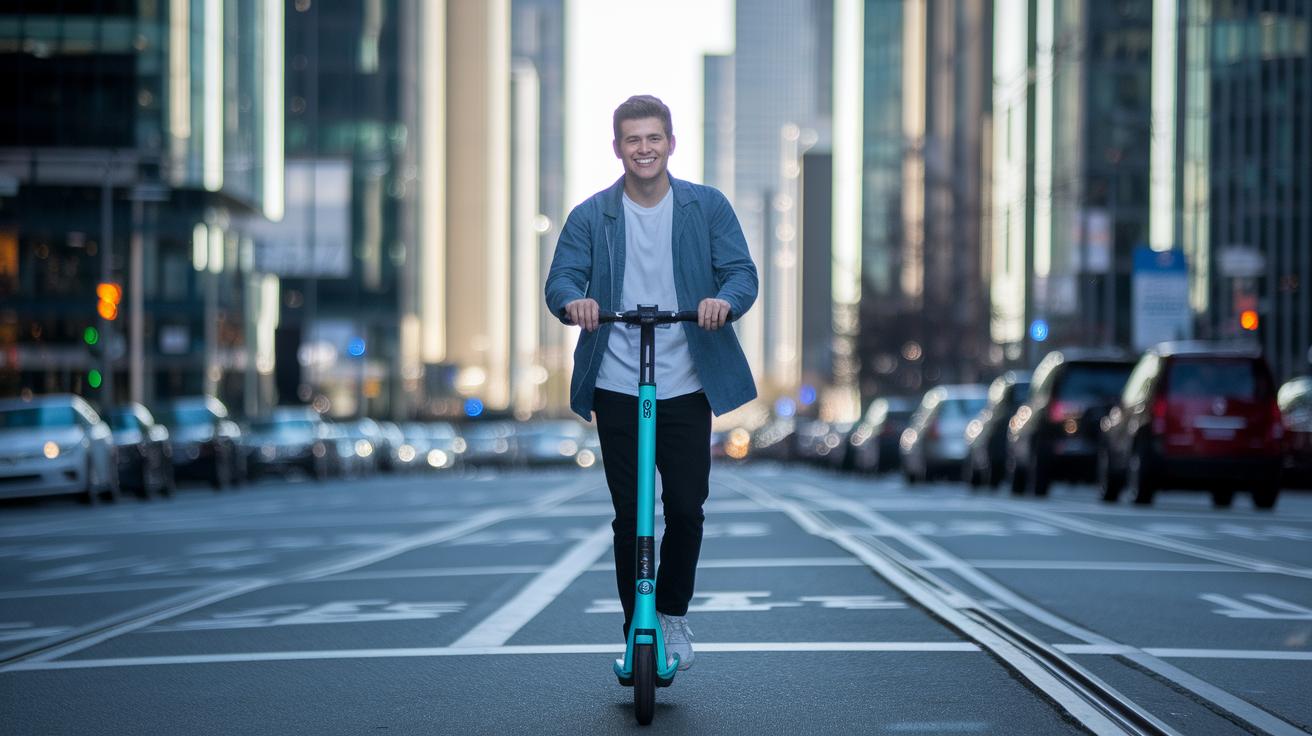
Ride-sharing and micromobility are changing how we think about owning a car. Nowadays, e-scooters, bikes, and shared rides make short trips simple and free us from the heavy burden of traditional car ownership. It’s a bit like choosing a quick scooter ride over a long drive, you get convenience without a long-term commitment. In busy cities where parking is a headache and traffic jams seem endless, these options fit perfectly with an urban lifestyle.
Many people decide to try new car brands when they move to a different place. In fact, 90% of those open to changing brands are new movers who reassess what they need from a vehicle as they settle into a new neighborhood. A fresh start in a new home often brings a fresh look at what features, style, and performance a car should have.
Reviews, good prices, and tips from friends are big reasons behind buying decisions. For example, 56% of buyers say positive reviews matter a lot, 51% are swayed by competitive pricing, and 48% trust suggestions from people they know. This shows that what others say and how much things cost play a key role in how we choose our vehicles. And because of this, car makers and dealers are working hard to build trust and deliver real value every step of the way.
Regional Forecasts and Market Dynamics in Automotive Trends
Global vehicle sales are expected to jump from 89.6 million units in 2025 to over 92 million by 2027. This rise shows a steady bounce back in the automotive world, with manufacturers tweaking their production and distribution plans to keep up with the growing demand.
In many regions, market experts see steady gains despite local hurdles. They point out that even when challenges arise, manufacturers are finding ways to adjust and keep the momentum going in the global car market.
China and Europe are leading the charge with electric vehicles, backed by heavy investments that make clean driving more common. Meanwhile, North America and some emerging markets still rely on traditional gas-powered cars. This mix of electric and engine-powered cars mirrors different consumer tastes and the varying maturity of local charging networks and road systems.
New mobility policies are starting to shape the future. Governments everywhere are introducing subsidies, setting tougher emissions rules, and trying new pilot programs to boost cleaner travel. For example, Europe is investing a lot in hydrogen-fueled cars and already testing out these vehicles on the road. Other areas are also reviewing their policies to speed up the shift to electric vehicles. Overall, these policy changes highlight how regulation and market performance are working together to drive the future of the automotive industry.
Sustainable Innovation and Regulation in Automotive Trends
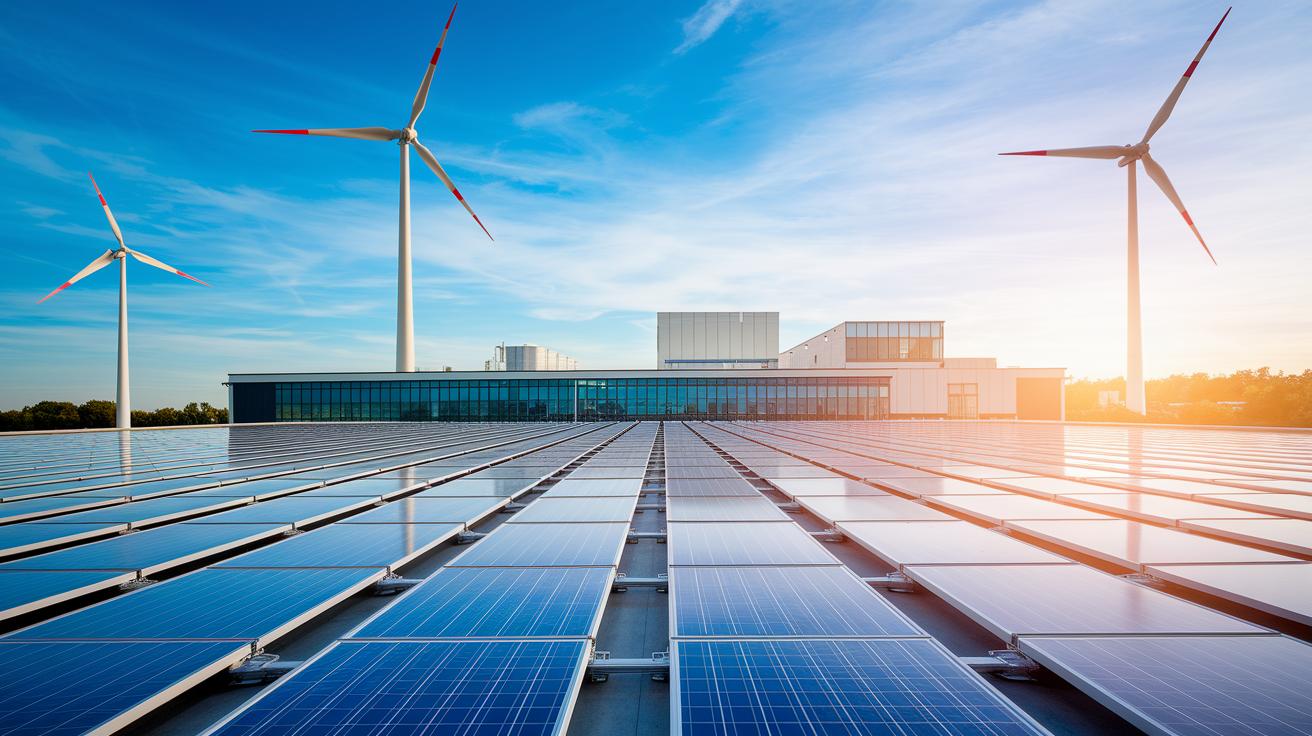
Car makers are stepping up their game by embracing eco-friendly practices and using renewable energy to power their factories. Experts say these smart moves could cut production emissions by about 20% over the next five years. And here’s something interesting: one plant that switched to wind-powered lines managed to drop its emissions by 15% in just the first year.
Automakers are also investing in clever recycling methods. They’re finding new ways to reuse parts from old cars and even leftover materials from production. This shift not only saves energy but also helps cut down on raw material costs.
These renewable-energy tricks are really setting a new standard in car manufacturing. They mean less reliance on fossil fuels, improved energy efficiency, and a boost in overall environmental performance.
- Reduced reliance on fossil fuels
- Greater efficiency in energy use
- Improved overall environmental performance
Final Words
In the action of this discussion, we explored global trends, U.S. challenges, and parts-market growth as key drivers in automotive market trends. We examined electric vehicle disruption, self-driving innovations, digital retailing, and supply chain changes with a human touch.
Each section painted a clear picture of market dynamics and consumer shifts. There's real promise ahead as these insights empower smart decision-making and spark optimism for a greener, tech-friendly future in this ever-changing space.
FAQ
What does an automotive market trends pdf typically include?
An automotive market trends pdf includes key sales forecasts, production updates, and forecasts on electric and autonomous vehicles, providing a snapshot of worldwide and U.S. market conditions.
What consumer trends are impacting the automotive industry?
Consumer trends in the automotive industry show a move toward digital car shopping, increased interest in electrification, and demands for connected features that improve driving convenience and overall vehicle performance.
What were the automotive market trends in 2022?
Automotive market trends in 2022 indicated a cautious recovery with slowing U.S. sales, rising prices, and production challenges like chip shortages affecting inventory levels across the industry.
What are the automotive market trends forecast for 2025?
Automotive market trends forecast for 2025 predict global new vehicle sales nearing 89.6 million units, with a growing influence of electric vehicles reshaping supplier networks and manufacturing priorities.
What industry changes are expected by 2030 in automotive trends?
Automotive industry trends for 2030 expect increased dominance of electric and autonomous vehicles, enhanced digital connectivity, and resilient supply chains that support evolving production and consumer demands.
What characterizes current U.S. automotive industry trends?
U.S. automotive industry trends are marked by inventory shortages, slower sales, and price pressures, along with gradual adoption of new technologies to meet shifting consumer expectations.
What future trends are anticipated in the automobile industry?
Future trends in the automobile industry include more electric vehicle options, expanded autonomous technology, greater digital retailing, and improved supply chain resilience to adapt to changing market conditions.
How is global automotive market share distributed by brand?
Global automotive market share by brand reflects a competitive mix where major automakers are challenged by emerging EV companies, prompting established names to integrate more digital and electrification strategies.
What are the current trends in the automotive industry?
Current trends in the automotive industry are focused on electrification, advanced driver assistance, digital marketing advancements, and adaptive supply chain strategies that help manufacturers meet modern demands.
What is considered the next big thing in automotive?
The next big thing in automotive centers on breakthroughs in electric vehicle technology, autonomous driving innovations, and enhanced digital customer experiences that are reshaping the industry landscape.
How is the automotive market changing?
The automotive market is changing by embracing new vehicle technologies, evolving consumer buying behaviors toward digital platforms, and adjusting manufacturing processes to cope with supply challenges and innovation demands.
What is the current status of the automotive industry?
The current status of the automotive industry shows steady global sales growth, rapid technological shifts in electric and autonomous vehicles, and continuous efforts to overcome supply chain and production challenges.


