Have you ever thought that simpler crypto rules might bring more trust to the market? Lately, US policy changes are making digital assets easier for banks and investors to use.
New rules clear up the old confusion. They let everyone see a future with fewer hurdles, kind of like opening a gate that fills a once-mysterious area with fresh energy and clear direction.
And as other countries catch on, these shifts are sparking real confidence in a space that used to feel unpredictable.
Current Landscape of Emerging Crypto Regulatory Policies
After the November 2024 elections, the political scene in the US took a big turn. With Republicans now leading both the White House and Congress starting January 20, 2025, agencies like the SEC, CFTC, and FinCEN have decided to ease up on rules for banks involved with crypto. Think of it like lowering a heavy barrier so banks can more easily offer digital asset services.
The US rules for digital assets are still all over the place. There isn’t one law that explains everything about cryptocurrencies. Instead, each state has its own set of rules, and a few federal groups share the oversight. This patchwork of rules creates both new chances and some tricky obstacles, it’s a bit like trying to complete a puzzle with several missing pieces.
Outside the US, many countries are quickly catching on to crypto regulation. More than 75 countries have set up crypto rules, and over 135 nations are now working on Central Bank Digital Currencies, a threefold increase since 2020. Big international groups like the Financial Stability Board and IOSCO are working hard to create common guidelines. This worldwide push not only backs up national efforts but also helps bring more order to the market, giving everyone a bit more stability and confidence.
US Legislative Initiatives in Crypto Regulatory Policies
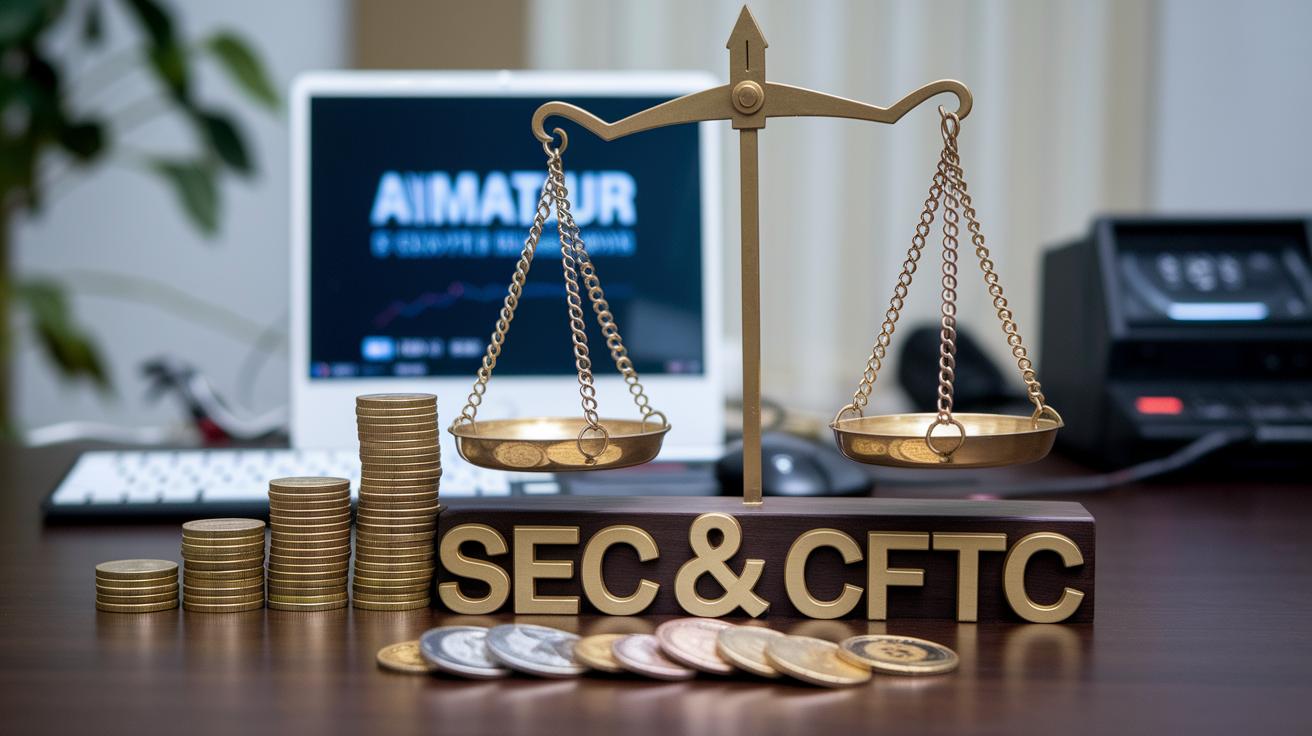
In mid-2024, the US House of Representatives passed three key bills that are changing how cryptocurrencies are managed. The GENIUS Act acts like a friendly referee, clearly outlining the roles of the SEC and CFTC when it comes to tokens. This helps everyone know which agency is in charge of which part of the crypto playbook, making the rules much clearer.
The CLARITY Act comes in next, making it easy to understand which digital assets are considered securities. Think of it like a clear signpost that guides both investors and businesses through the sometimes confusing world of digital finances. It even helps state-level regulators work in sync as they adapt to new trends in the market.
Then there’s the CBDC Anti-Surveillance State Act, which stops the Federal Reserve from offering a digital currency directly to the public and instead supports a system where only financial institutions manage it. This change opens the door for private companies to push ahead with innovations like stablecoin programs. Banks like JPMorgan Chase are already getting ready to launch tokenized investments in the next year or two, showing just how much energy these new rules are injecting into the crypto market.
Regional Variances in Crypto Regulatory Policies
When you look around the world, you'll notice that rules for digital money can be as different as night and day. In the United States, federal agencies team up while state regulators have their own unique rules. For example, New York’s BitLicense and Wyoming’s blockchain-friendly charters show just how layered these rules can be. This means companies have to be really smart about following both national and state guidelines.
Over in Europe, things are a bit more streamlined thanks to the MiCA framework. This set of rules gives clear guidance for both issuers and service providers, which can boost confidence and help businesses plan ahead with a steady hand.
Out in the Asia-Pacific region, Singapore’s Payment Services Act and Hong Kong’s licensing regime lead the way by supporting tokenization projects within a safe, controlled space. At the same time, international groups like the Financial Stability Board and IOSCO are working on common, cross-border rules. It’s all about smoothing out the bumps and building trust across markets.
| Jurisdiction | Regulatory Framework | Main Features |
|---|---|---|
| United States | Federal and State Rules | Multiple layers of oversight, including BitLicense and blockchain-friendly charters |
| Europe | MiCA Framework | Uniform guides for issuers and service providers |
| Asia-Pacific | Payment Services Act & HK Licensing | Safe tokenization rules and modern fintech oversight |
Stablecoin Oversight in Crypto Regulatory Policies
Regulators are really keeping an eye on stablecoins to make sure they're not misused or used to dodge sanctions. The Treasury and FinCEN are now asking companies to carefully check who they’re doing business with and to watch out for any strange money moves, kind of like how a vigilant security guard monitors a busy doorway.
Under the CBDC Anti-Surveillance State Act, the Fed isn’t allowed to roll out a retail Central Bank Digital Currency. This means that private companies now step in to offer stablecoins for everyday use. Imagine a small store that only accepts a special kind of money, one that’s been thoroughly checked for safety. That’s similar to how private stablecoins must follow strict rules to keep transactions secure.
Across many emerging markets, officials are also looking at dollar-pegged tokens to see how they might affect local currencies. In response, they’re mulling over rules that could include careful reserve audits, tougher capital requirements, and detailed licensing checks. These steps are solid moves to enforce global digital asset standards and boost trust in the crypto market.
Addressing Crypto-Enabled Scams in Regulatory Policies
Regulators are stepping up their game to tackle crypto scams, especially the notorious "pig butchering" schemes. They’re using methods similar to those against ransomware, meaning strict rules and penalties are now in place. The DOJ and SEC have teamed up to send out alerts and fine platforms that might be unknowingly helping scammers. They’re getting ready to take down bad actors in the digital asset world, ensuring every violation is met with clear consequences.
State attorneys general are also getting involved, filing civil suits like a neighborhood watch keeping a lookout. If someone messes with the community’s finances, a strong local response is expected. Now, financial institutions must boost their anti-fraud measures and tweak their risk assessments and anti-money laundering (AML) protocols to better protect against these scams.
At the same time, compliance teams in peer-to-peer networks are under pressure to follow new finance rules. They need to make sure that the quick swap of digital assets doesn’t turn into a breeding ground for fraud. For example, think of it like a store quickly putting in a new security system after a break-in, simple, effective moves that help keep fraud at bay.
Future Trajectories in Global Crypto Regulatory Policies
Looking ahead, rules for digital money are starting to come together across different countries. More than 135 central banks are now creating CBDCs (central bank digital currencies, which are digital forms of regular money) – a big jump from less than 45 just a few years ago. In the Asia-Pacific region, regulators are exploring ways to turn real-world assets like stocks, commodities, and property into digital tokens. They even plan to share their ideas in detailed reports by mid-2025. This shift shows a clear push for rules that not only spark innovation but also build trust, kind of like clear road signs that help you feel safe on a busy street.
Even how companies keep up with the rules is changing. Financial firms might soon use systems that report data in real time, check smart contracts regularly, and share information across borders to catch risks early and keep everything transparent. Global organizations are working on setting common rules for digital trading, which should make the whole environment more steady and predictable. Imagine a world where every trade comes with clear, shared standards that keep both companies and investors on the same page. This smoother coordination could boost market confidence, leading us toward a more secure financial future.
Final Words
In the action, our blog highlights how emerging crypto regulatory policies continue to shape both domestic and global financial rules. We explored the latest US legislative initiatives clarifying agency roles, the varied state and international frameworks, and the growing focus on stablecoin oversight. We even touched on how stricter measures target crypto scams while previewing future shifts in digital asset governance. This dynamic landscape offers plenty of room for progress and innovation, promising clearer paths and fresh opportunities in digital finance.
FAQ
Q: What is SEC crypto regulation?
A: The SEC crypto regulation sets guidelines for digital asset trading and investment by ensuring compliant practices and transparency in markets, protecting investors while fostering a fair environment.
Q: Who are Crypto Task Force members?
A: The Crypto Task Force members include experts from agencies such as the SEC, CFTC, and FinCEN, who collaborate to monitor digital asset trends and improve regulatory practices.
Q: What is on the SEC approved crypto list?
A: The SEC approved crypto list identifies digital assets that comply with securities laws, serving as a reference for investors on which tokens meet established transparency and regulatory standards.
Q: Where can I find information on the Crypto Task Force website?
A: The Crypto Task Force website provides details on regulatory initiatives, member collaborations, and updates on enforcement activities, offering a central resource for insights into crypto oversight.
Q: What is a Crypto Task Force roundtable?
A: The Crypto Task Force roundtable is a meeting where regulators and stakeholders share insights on digital asset challenges, helping refine strategies and future policy directions in crypto oversight.
Q: How does the Crypto Task Force interact with the SEC?
A: The Crypto Task Force interacts with the SEC through coordinated discussions, sharing insights that shape clearer rules and enhance compliance measures in the fast-moving crypto market.
Q: What does CFTC crypto oversight entail?
A: The CFTC crypto oversight involves regulating derivatives and market practices in digital assets, ensuring investor protection and fair trading standards across evolving crypto markets.
Q: What is meant by a crypto meeting today?
A: A crypto meeting today refers to recent gatherings where regulators and industry stakeholders exchange updates on market trends and regulatory changes, offering real-time insights into emerging policies.


