Have you ever considered that Japan's stocks might be your next unexpected win? Japan's market is buzzing these days, with shifts led by the Tokyo Stock Exchange. Imagine top stock lists like the Nikkei 225 and TOPIX moving together like a carefully planned dance. Recent numbers, including steady consumer prices and strong GDP growth, show fresh energy. And with companies buying back their shares, there's extra momentum hinting at new gains. Stick around, you might just find that these shifts brighten your investment journey.
japan equity markets: Bright Trends & Gains
Japan’s stock scene has come a long way, with the Tokyo Stock Exchange at its heart. Big players like the Nikkei 225 and TOPIX keep things moving. The Nikkei gives a quick peek at top companies, while TOPIX offers a wider market view. It’s like watching a lively dance of opportunities that both long-term investors and tactical traders find hard to resist.
In recent times, the numbers hint at a stronger local economy. For example, Japan’s consumer price index has stayed above 2% for eight straight quarters, moving past years of weak inflation. And get this: over the last two years, Japan’s nominal GDP grew by 3.5% a year, a huge jump from just 0.2% during the previous two decades. Imagine starting a long-snoozing engine where every spark of growth lights the way for renewed confidence.
On the corporate side, things are shifting too. Companies boosted share buybacks to ¥16.8 trillion in 2024, which is a 75% jump from last year. This move is all about giving back to shareholders. Even though global equity mutual funds have traditionally held less Japan than the MSCI EAFE benchmark suggests, some active strategies now devote almost 28% of their equity exposure to Japan compared to just 4.8% in the MSCI ACWI. It’s a mix of bold corporate moves and new fund strategies that makes Japan’s market especially intriguing right now.
Historical Performance and Market Structure of Japanese Equities
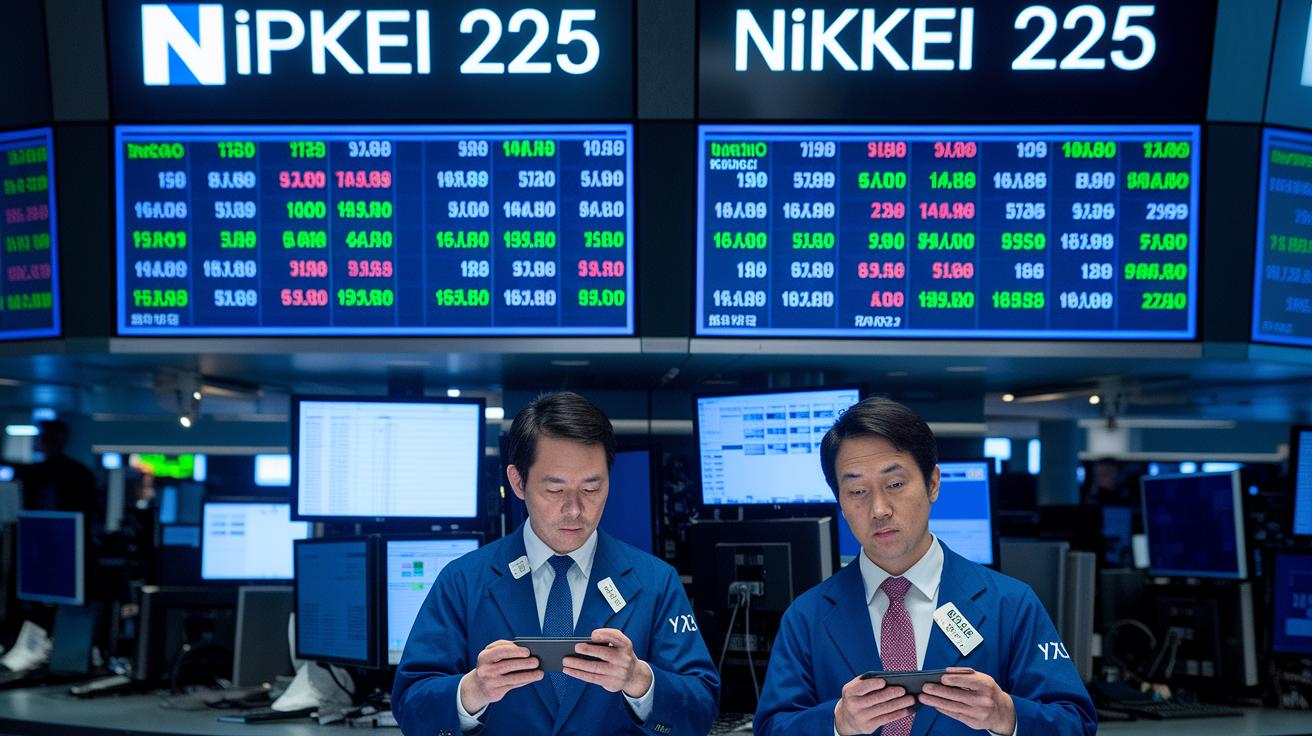
Before the bubble burst, Japan's stock market was riding high, setting up an era filled with energetic trading. The Tokyo Stock Exchange and several other platforms buzzed with activity as investors watched prices soar thanks to a strong economic mood. Take the Nikkei 225, for example, a key index that tracks Japan's top companies, which reached sky-high levels during the bubble years.
| Period | Nikkei 225 Level |
|---|---|
| Bubble Peak (Dec 1989) | 38,915 |
| Low Point (Mar 2009) | 7,054 |
| Recovery High (Mar 2022) | 31,500 |
After the bubble, Japan entered years of quiet struggle with deflation and slow growth, as the market adapted to new economic challenges. Along the way, changes to rules and reporting started reshaping how things worked. Slowly but surely, the country shifted from a long period of stagnation to a more organized system that focused on market capitalization. These changes helped build a tough stock market framework, one that eventually boosted investor confidence across the board.
Sector Breakdown and Top Performers in Japan Equity Markets
Japan’s market is buzzing with energy and variety. Each industry acts like a gear in the country’s economic machine. When you spread your investments across these sectors, you shield yourself from big swings and get to enjoy different kinds of growth. Think of technology as the spark of new ideas, while industrials lie in wait with steady returns. Consumer discretionary, financials, and healthcare all shine in their own way, adding their unique strengths to Japan's overall performance.
| Sector | YTD Return (%) | Leading Company |
|---|---|---|
| Technology | [X%] | Sony |
| Industrials | [X%] | Toyota Motor |
| Consumer Discretionary | [X%] | Fast Retailing |
| Financials | [X%] | Mitsubishi UFJ |
| Healthcare | [X%] | Takeda Pharmaceutical |
Recent corporate reforms have really boosted these sectors. Companies are now paying closer attention to how they run their operations and generate profit. Just recently, share buybacks hit ¥16.8 trillion in 2024, a sign they truly care about rewarding shareholders. New checks and balances have not only improved their profit margins but also built up trust in the market's stability. As firms update their management practices, you can see the clear strengths of each sector emerge. This friendly mix lets technology lead with fresh innovations while industrials and consumer groups keep steady pace with growing demand. It’s a strong reminder that a thoughtful mix of sectors can unlock real value in Japan's dynamic market.
Recent Trends and Performance Metrics in Japan's Equity Markets

Over the past month, the Nikkei 225 and TOPIX have been moving along at a steady clip. Traders are now zooming in on short-term numbers, think average daily trading volume, volatility readings, net foreign flows, and sector shifts, to really catch the market’s heartbeat.
These key numbers include:
- Average daily trading volume on the Tokyo Stock Exchange
- Volatility index readings
- Net foreign inflows and outflows
- Sector rotation markers
Market players use this info to make snappy, on-the-fly decisions. For example, if trading volume spikes unexpectedly, it can be a clue that investors are buzzing with renewed interest, almost like how a sudden weather change catches you off guard. Rising volatility readings might make risk managers tweak their positions, while shifts in net foreign flows show how international money is moving in and out. Watching sector rotations can also spotlight short-term opportunities, helping investors decide where to focus next without getting lost in old benchmarks.
Impact of Corporate Reforms and Governance on Japan Equity Markets
Since 2015, Japanese companies have been rethinking how they run their operations by tightening their internal policies. New changes to guidelines have led to better board oversight, clearer accountability, and more open decision-making. With government policies shaping how Japan stocks perform, firms are now more careful about measuring risk and checking how well they perform. Companies are moving toward global best practices to meet investor expectations, shifting the focus from quick profits to steady, sustainable growth. It’s like watching a company build a stronger base, making the market more inviting for both local and international investors.
Recent updates at the Tokyo Stock Exchange have also helped reshape the way companies report their results. They’ve introduced stricter rules that make it easier for investors to see what’s really going on with a company’s finances. Now, regular dividend payouts and solid share buyback programs have become common practice. These steps boost investor confidence and foster a competitive, modern market that’s much more friendly to investors than before.
Improved return on equity and stronger capital returns clearly show that these reforms are working. For example, share buybacks surged to ¥16.8 trillion in 2024, a 75% jump that highlights how these changes are driving better efficiency and higher profits.
Investment Strategies for Japan Equity Markets

There are both active and passive ways to invest in Japanese stocks. Lately, many investors are changing their strategy. They’ve gone from holding very little of their portfolio in Japanese shares to now putting almost 28% in them. This change shows that many believe a hands-on, local approach can spot hidden bargains that broader indexes might overlook.
- Active value investing in companies that export at low prices
- Focusing on small domestic companies with room to grow
- Rotating through different market sectors, especially those benefiting from reforms
- A mix of active choices with a touch of passive stability
Local know-how plays a huge role in Japan’s stock market. Managers on the ground use simple tools and detailed data to find companies likely to benefit from rising wages and strong local demand. They keep an eye on industry trends and company changes so they can quickly adjust their investments. For example, by tracking how a company is doing and watching market trends, these experts can pick the perfect moment for a company’s breakout. It’s like having a knowledgeable friend guide you through a busy market where small details make a big difference.
Keeping an eye on currency risk is also very important. Investors need to watch how exchange rates change and use strategies to reduce losses from sudden shifts. This extra step helps protect returns while still taking advantage of the appealing opportunities in Japan’s market.
Risks, Volatility, and Regulatory Framework in Japan Equity Markets
Market conditions have been a bit rocky lately, with wild price swings and plenty of uncertainty making investors uneasy. Trading floors buzz with energy as global events stir up even more volatility. Meanwhile, regulators are rolling up their sleeves to update and enforce rules that keep everything fair.
For example:
- Global tariff impacts
- Kinks in supply chains
- Shifts in the strength of the yen and other currencies
- High valuation levels that can feel a bit over the top
Japan’s regulators take center stage during these turbulent times. The Financial Services Agency is on the lookout, making sure that companies stick to clear guidelines on reporting and investor disclosures. Plus, the Tokyo Stock Exchange has its own high standards, requiring firms to meet strict benchmarks both before and after going public. These measures help keep things transparent and prevent the market from leaning too far into risky territory.
All this careful oversight works like a safety net against sudden market shocks. Strict guidelines and prompt interventions help curb the excesses that can pop up when valuations skyrocket. So even as pressures like currency shifts and global trade issues keep testing the market’s resilience, Japan’s regulatory framework does its best to maintain stability.
Comparative Analysis: Japan Equity Markets vs Global Markets

Japan has become a vital part of developed markets. Its recent company reforms and fresh ways of looking at risk have made it more attractive. Global equity funds hold about 6.9% less exposure to Japan than the MSCI EAFE benchmark, while active strategies now set aside roughly 28% compared to just 4.8% for the MSCI ACWI.
| Benchmark | Japan Weight (%) |
|---|---|
| MSCI EAFE | -6.9 |
| MSCI ACWI | 4.8 |
| Select Active Fund | 28 |
There is a growing sense that Japan’s stock market now moves with less wild swings than many of its peers. Fund managers note that recent changes in how companies are run and how risks are measured have brightened the outlook a bit. Imagine the steady pulse of trading floors: Japanese equities often show smoother price moves during downturns, which can help cushion overall portfolio risk. This fresh look at Japan not only builds on older data but also reveals some subtle differences compared to other developed markets.
Future Outlook and Forecasting Japan Equity Markets
Most strategists expect Japan’s stock market to keep showing steady earnings growth over the medium term. You might have noticed that the consumer price index has been above 2% for eight straight quarters, and GDP has grown by about 3.5% over the past couple of years. These trends set the stage for a gradual rise in corporate profits, creating a more stable environment for companies across the board.
Looking ahead, several factors could boost market momentum even further. Policy changes might spark fresh reforms, encouraging companies to run more efficiently and push their earnings higher. Global events, like shifts in trade dynamics and changing commodity prices, could also affect how investors feel about the market. Sure, there are some worries too, currency swings and high valuations might slow things down a bit. But many experts stay optimistic, believing that with careful monitoring and on-the-ground insights, these elements can combine to drive lasting growth and a resilient investment landscape.
Final Words
In the action, we traced the pulse of the japan equity markets, stepping through market size, historic milestones, and recent performance metrics. We highlighted key reforms, sector strengths, and active investment strategies while keeping a keen eye on risks and comparative benchmarks. Each segment built on insights to simplify complex shifts in these markets. The analysis encourages us to stay engaged and proactive in our financial decisions. It all adds up to a positive outlook for those ready to embrace evolving market trends with confidence.
FAQ
Q: Japan equity markets today / Japan stock market live / Japan equity markets live
A: The Japan equity markets today show live trading activity on the Tokyo Stock Exchange, with indices like the Nikkei 225 and TOPIX reflecting current market performance and investor sentiment.
Q: Japan equity markets graph / Japan equity markets chart / Japan stock market chart
A: A Japan equity markets graph visually displays key trends over time, plotting index movements such as the Nikkei 225 and TOPIX, which helps investors track performance and compare historical data.
Q: Tokyo Stock Exchange index / Japan stock market index
A: The Tokyo Stock Exchange index measures stock performance on Japan’s main exchange, featuring indices like the Nikkei 225 and TOPIX that serve as key benchmarks for market trends.
Q: What is the major stock market in Japan?
A: The major stock market in Japan is the Tokyo Stock Exchange, which hosts leading indices like the Nikkei 225 and TOPIX that guide trading and investment decisions nationwide.
Q: Why are Japanese equities doing well?
A: Japanese equities are performing strongly due to robust corporate buyback activities, improved governance, steady economic growth, and shifting fund allocations that boost investor confidence.
Q: What is the Nasdaq equivalent in Japan?
A: There isn’t a direct Nasdaq equivalent in Japan; however, indices such as the JASDAQ serve as benchmarks for emerging and tech-oriented companies, similar in spirit to Nasdaq.
Q: What is the Japanese equities index?
A: The Japanese equities index typically refers to benchmarks like the Nikkei 225 or TOPIX, which measure the performance of major companies on Japan’s primary stock exchanges.


