Have you ever noticed that what feels like a smooth ride in one country can turn into a tricky maze in another when it comes to digital money? Laws around crypto are changing fast, and that shift might just help build more trust in how we trade. In some places, rules are pretty strict, while in others, things are much more relaxed. Next, we'll explore how clearer guidelines can make digital currencies safer for everyone, and what that might mean for your investments.
Global Overview of the Cryptocurrency Legal Landscape
Digital money like Bitcoin and Ethereum is governed by a set of rules that tell us how it can be used, traded, or invested. These rules are made to protect you, help stop scams, and block bad activities like money laundering and funding terrorism. They also keep things fair with taxes and steady in the financial world. For example, some countries ask for detailed records of every transaction, including timestamps and the value in US dollars, to make sure no one misuses the system. When rules are clear, trust builds, and both businesses and everyday users can use crypto safely.
Different parts of the world handle these rules in very different ways. In places like the United States and Europe, regulators set up strong systems with clear reporting rules and close oversight, which makes trading digital assets feel secure. On the flip side, some Asian countries ban crypto trading altogether, even if they still dig into blockchain technology for other reasons. This means that while you might find safe and easy access to digital assets in one region, another might have strict limits or complete bans. It’s a bit like how one neighborhood might let you play in the park, while another keeps it off-limits.
In the United States, the laws around crypto mix both federal and state rules. Several federal agencies look after different parts of the crypto world, which makes following the rules a bit more complicated. Then, individual states add their own twists, some require tough licenses, and others are more relaxed about digital assets. This mix of strict and flexible rules shows the ongoing challenge of balancing new ideas with protecting investors. Isn’t it interesting how one country can juggle so many rules at once?
US Regulatory Framework for Cryptocurrencies

Federal agencies share the duty of keeping an eye on digital money in the United States. FinCEN makes sure that money services companies register as MSBs and stick to rules like AML/CFT, KYC, SAR, and the Travel Rule when transactions hit $3,000 or more. Meanwhile, the SEC looks at tokens that act like investment contracts under securities law, and the CFTC watches over crypto derivatives and commodities. Traders also need to list their crypto deals on tax forms such as Form 8949 and Schedule D, and they report staking rewards as "other income" on Schedule 1. It’s all part of a tight mix of rules and tax checks.
Recent tax actions and new agency rules are pushing everyone to be more open and careful about their records. Keeping detailed notes, from timestamps to USD amounts, is key to proving you’re playing by the rules and avoiding trouble with audits or fines.
| Agency | Primary Role | Key Statute |
|---|---|---|
| FinCEN | Enforces the Bank Secrecy Act, including MSB registration, AML/CFT, KYC, SAR, and the Travel Rule | Bank Secrecy Act |
| SEC | Applies securities law to tokens seen as investment contracts | Securities Act of 1933 |
| CFTC | Oversees crypto derivatives and commodities | Commodity Exchange Act |
State rules add another twist. In New York, strict licensing rules like the BitLicense must be followed, while Wyoming offers more friendly guidelines for crypto companies. Then there’s California, which will start a Digital Financial Assets Law on July 1, 2026, adding extra steps for compliance.
And here’s a recent twist: the IRS has pulled back on its broader "broker" definition for DeFi platforms, easing some of the reporting pressures. This change shows just how fast the rules can shift as agencies adapt to the ever-changing world of digital assets.
International Approaches to Cryptocurrency Regulation
Around the world, governments are busy updating their crypto rules to keep pace with the fast-growing world of digital money. With crypto slowly becoming part of our everyday economy, it's important for countries to work together. This helps keep the market stable and protects everyday investors. In many ways, having shared guidelines means that risks crossing borders can be tackled more easily.
For instance, here are a few key examples:
- EU’s MiCA rollout: By 2025, the EU plans to set up a clear framework to standardize digital asset rules.
- China’s unique stance: While trading cryptocurrencies isn’t allowed, the country still invests in blockchain research.
- El Salvador’s bold move: Bitcoin is treated as legal money, making digital assets a part of daily transactions.
- Central African Republic’s approach: Bitcoin is accepted as legal tender, showing a different kind of regulatory experiment.
- FSB’s global effort: This initiative seeks to build a common set of rules that can work across borders and keep digital markets safer.
Still, these different strategies highlight how tough it can be to create one global rulebook. With each country following its own political and economic priorities, policies are often tailored to local needs rather than following a single international standard. And that means policymakers have to find a balance between building common safety measures and respecting the unique legal and market environment on each side of the globe.
Compliance Standards for Cryptocurrency Operations

Regulators truly value knowing that funds are handled safely. That’s why rules like AML/CFT and KYC are front and center. Crypto exchanges and custodians need to verify who their customers are and carefully track every transaction. They often send off reports about unusual activity and follow guidelines like the Travel Rule when transfers exceed $3,000. Lately, updates suggest using digital tools to keep records with clear timestamps and USD amounts.
New technologies in compliance are making life easier for firms. They help manage independent audits and keep detailed records neatly organized. This steady progress, in line with both global and US standards, means crypto businesses can keep up with evolving regulations and build honest transparency in their operations.
- Know Your Customer (KYC) checks
- Continuous transaction monitoring
- Filing Suspicious Activity Reports (SARs)
- Sharing data per the Travel Rule
- Keeping records with precise timestamps and USD values
- Conducting independent compliance audits
Accurate records and digital tracking make it easier to be ready for audits as compliance standards keep evolving.
Tax Policies Governing Cryptocurrencies
When you trade, mine, or earn rewards from staking cryptocurrencies, each action usually counts as a taxable event. For example, mining coins means every coin you get is treated as income, and staking rewards must be reported too. Even swapping one cryptocurrency for another, say, trading Bitcoin for Ethereum, has its own tax rules, much like changing stocks.
If you're based in the U.S., you'll generally report gains and losses on Form 8949 and Schedule D, and list income from staking on Schedule 1 as "other income." It’s really important to keep clear records that include transaction dates, the cost basis, and the USD value at the time. This detailed log of your mining and staked tokens is your safety net if the IRS ever reviews your records.
Recent updates by the IRS, such as the 2025 rollback of the broader broker rules for decentralized platforms, have made reporting easier in some cases. But your core record-keeping practices still need to be solid. If your mining or staking details differ from the norm, be sure to update your records immediately to prevent any issues during an audit.
Future Trends in Cryptocurrency Governance
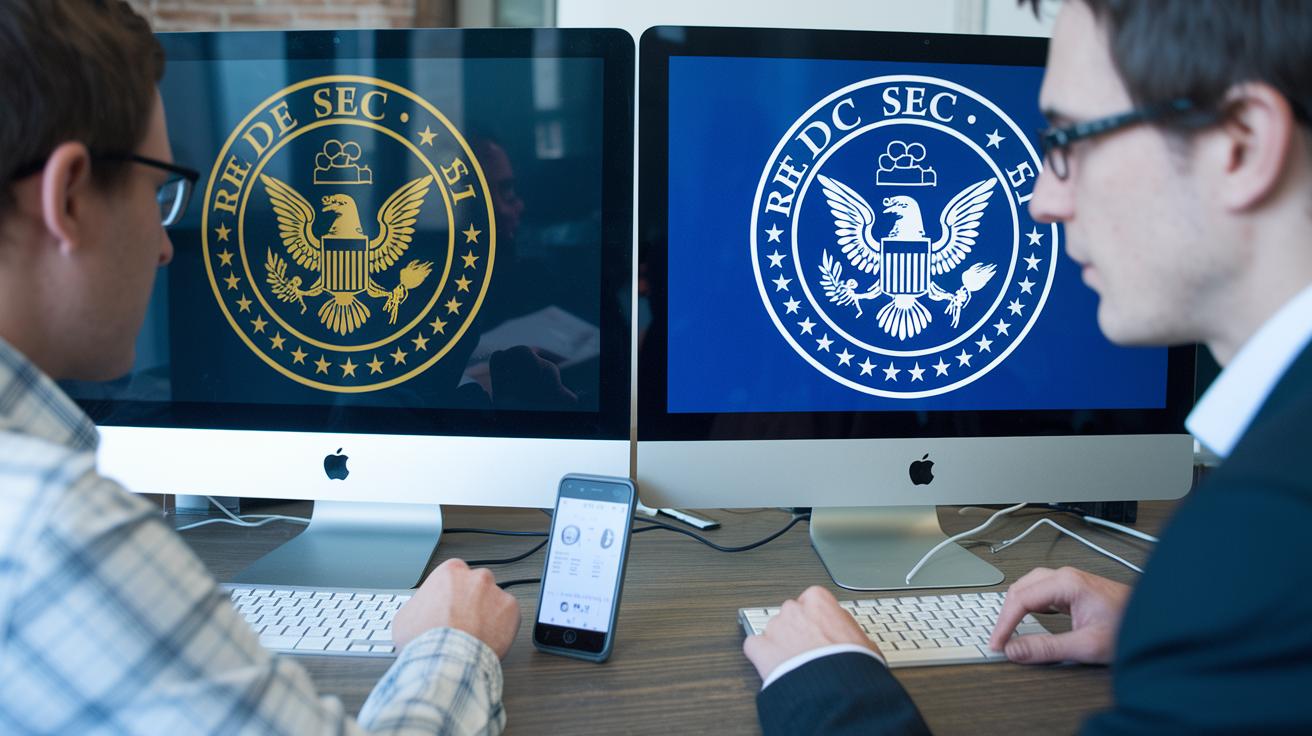
The world of digital assets is shifting fast with new ideas and reforms emerging all the time. New leadership and changing market needs are driving updates in how cryptocurrencies are managed. Have you ever noticed how a small change in who enforces the rules can make a huge difference? It’s like finding a hidden tool that completely alters your strategy.
Shift from SEC to CFTC Enforcement
There are hints that the SEC might ease back, letting the CFTC take a stronger role in regulation. A new SEC chair is leaning toward treating crypto more like a commodity than a security, which could be a game changer. Think of it like a relay race where the baton is passed to an agency that many believe is better equipped to handle complex trading activities and keep the market steady.
Federal and State Legislative Proposals
Meanwhile, lawmakers at both the federal and state levels are proposing new bills aimed at tighter regulations and clearer reporting. These ideas echo international frameworks such as MiCA, bringing fresh concepts into our legal mix. In California, for instance, the upcoming Digital Financial Assets Law backed by new registration and auditing rules, set for 2026, could completely reshape how local businesses manage digital assets.
All these changes could impact exchanges, individual investors, and innovators, sparking a wave of adjustments in how digital assets are traded and managed.
Final Words
In the action, the blog post broke down global and U.S. crypto regulation, compared international models, and explained how compliance, tax policies, and emerging trends affect our everyday financial moves. It offered insights on everything from identity checks to filing the right forms. Clear guidelines and real-life examples made it easier to grasp the steps behind protecting your investments. Understanding the cryptocurrency legal landscape can be empowering, opening the door to more confident and positive market decisions.
FAQ
What is the cryptocurrency legal landscape PDF?
The cryptocurrency legal landscape PDF provides an overview of global regulatory measures, covering investor protection, anti–money laundering practices, and tax compliance, which guide how crypto assets are managed.
What does the cryptocurrency legal landscape for 2021 and 2022 show?
The cryptocurrency legal landscape for 2021 and 2022 shows yearly updates in regulatory rules and enforcement practices. It outlines evolving compliance standards, market stability efforts, and enhanced transparency.
What are cryptocurrency laws by state?
The cryptocurrency laws by state explain the differences in regulations across U.S. jurisdictions. They cover state-specific licensing, compliance procedures, and tax reporting requirements for crypto activities.
How are cryptocurrency regulations around the world structured?
The cryptocurrency regulations around the world are structured differently, with some countries allowing controlled use under strict rules and others imposing bans. They focus on transparency, fraud prevention, and anti–money laundering.
Is cryptocurrency legal in the USA?
The legality of cryptocurrency in the USA is confirmed, with layered federal and state regulations. These rules safeguard investors, prevent fraud, and ensure proper tax and compliance practices.
Should cryptocurrency be regulated by the government?
The debate over whether cryptocurrency should be regulated by the government centers on protecting investors and maintaining market integrity. Government regulation is seen as a way to curb fraud and standardize practices.


