Ever wonder if firm rules can really protect your money in the wild west of crypto? When traders stick to clear guidelines, crypto exchanges get safer and more reliable, which builds trust and keeps the market steady.
It all starts with simple checks and easy reports that stop risky moves before they happen. In this article, we look at how strong rules meet global standards, keep bad actors out, and boost confidence for every trader stepping into digital markets.
Stick with us as we explore why solid regulation truly powers trader confidence.
Core Principles of Crypto Exchange Regulation
When you dive into crypto exchanges, you quickly learn that strict rules keep everything safe and trustworthy. Operators and traders must stick to these rules so that the platforms remain secure, which is really important when risks are always around, especially on big centralized sites.
The rules are clear: crypto exchanges must meet global standards to prevent money laundering and terrorism financing. This means using simple but advanced know-your-customer checks. For instance, if someone deposits or withdraws $10,000 or more, FinCEN requires detailed reports. These steps are non-negotiable to keep the market honest.
There are a few more big points. Exchanges need to follow the Travel Rule for transfers over $1,000 and must quickly report any suspicious activity, usually within 30 days. They also have to keep all their paperwork neat and ready for any audit. All these moves help prevent fraud and make digital money transactions clear and open.
In truth, these rules work together to protect investors and keep the whole market steady. By following solid compliance and safety practices, exchanges build trust, which in turn reassures every trader. Isn't it nice to know that every step is taken to keep things secure?
Global Comparisons: Jurisdictional Approaches to Crypto Exchange Regulation

Around the world, each market sets its own rules for keeping an eye on digital assets. In some places, crypto is even accepted as legal money, while in others, trading and mining face strict limits. This mix of approaches reflects how each country balances growth ambitions with managing risks. Regulators tend to follow FATF advice, but with more cross-border transactions than ever, keeping up with the rules gets trickier. Curious for more details? Check out this comparison of crypto regulations globally.
| Country/Region | Regulatory Approach | Key Requirements | Status |
|---|---|---|---|
| El Salvador | Legal tender adoption | Minimal regulation and local guidelines | Operational |
| China | Banned trading and mining | Strict enforcement with technological blocks | Prohibited |
| European Union | Comprehensive, FATF-aligned regulation | KYC, AML mandates, and secure reporting | Active regulation |
| India | Evolving regulatory framework | Cross-border monitoring and potential licensing | Under development |
Managing transactions that cross borders creates its own set of challenges. Different national laws and priorities make it hard to have one uniform rulebook. Regulators really need to work together to harmonize standards, close compliance gaps, and deal with the unique challenges each market faces. This patchwork of oversight offers both strength and hurdles in keeping digital asset activities safe and transparent.
US Crypto Exchange Regulation: Federal and State Oversight
The U.S. crypto market is in good hands with many federal groups keeping an eye on it. These agencies, like the SEC, CFTC, FinCEN, IRS, DOJ, the Federal Reserve, FDIC, and BIS, all have their own jobs. They may work in overlapping ways, but together they help keep exchanges honest, work to squash fraud, and make sure investors are protected. And hey, ever notice how a small tweak in roles can change everything? For example, there’s talk of reshuffling duties between the SEC and CFTC under the new SEC chair, Paul Atkins. It’s all part of a set-up that tries to keep things clear and fair.
Federal Oversight Agencies
The SEC is the main player when it comes to setting rules and nipping market abuses in the bud. Meanwhile, the CFTC focuses on things like derivatives trading and keeping the market steady. And don’t forget about FinCEN, the IRS, and the DOJ. They’re like the watchdogs for financial crimes and keeping an eye on money laundering. On the other hand, the Federal Reserve and FDIC work hard to keep our overall financial system stable. These folks don’t just watch, they inspect regularly and hand out fines when needed. One surprising case even saw a major exchange hit with big penalties that forced them to completely redo their security setup.
State-Level Regulations
At the state level, things get more colorful as rules differ from one state to the next. For instance, California’s new Digital Financial Assets Law, coming into play on July 1, 2026, will require digital asset operators to get a state license from the Department of Financial Protection and Innovation. And it doesn’t stop there, places like the District of Columbia and Puerto Rico have their own unique rules that add a special twist to the overall picture.
All this patchwork can be tricky for operators who work in multiple states. Different rules can make it harder to stay on top of all the requirements, adding an extra layer of complexity to running a crypto exchange.
Key Licensing and Compliance Requirements for Crypto Exchanges

Crypto exchanges start off by making sure they get the proper license. They sign up with local regulators to show they can safely manage digital assets. This step lays the groundwork for a secure platform where traders feel at ease knowing their money is protected. It’s like putting the first brick in a sturdy digital safety wall.
- Regulatory registration
- AML/CFT program deployment
- KYC implementation
- Transaction monitoring
- CTR and SAR reporting
- Audit documentation maintenance
Once they have their license, exchanges stick to a strict routine to stay in line with regulations. Think of it like a regular car check-up that helps catch little issues before they become big problems. Routine security audits act as friendly reminders that ensure all systems are running smoothly, just like a well-tuned engine on the trading floor.
Regulators usually set up detailed inspection schedules, reviewing both digital and offline records to keep fraud in check. This careful, ongoing review means that small glitches can be fixed quickly before they grow serious. With these constant checks, exchanges not only meet the basic licensing, monitoring, and reporting rules, but also build trust among traders by showing everyone that every detail is handled with care.
Enforcement Updates and Oversight Challenges in Crypto Exchanges
Recent actions by regulators have shone a bright light on crypto exchanges when they stray from the rules. Some have even faced SEC fines for breaking securities laws, proving that even trusted platforms can get caught up in strict oversight. Regulators like FinCEN and the DOJ are stepping up their game, chasing down platforms that aren’t playing by the book. One case even brought such heavy penalties that the exchange had to completely rework its security measures. This all reminds us that having smart fraud prevention steps, like using risk-based SAR thresholds and automated monitoring, is key to keeping the market safe.
And there’s more. Regulators are now zeroing in on some long-standing issues like weak IP blocking and the tricky business of catching layered transactions. Recent updates aim to plug these gaps by pushing exchanges to tighten up their internal checks. New rules include better training for staff and regular security audits, ensuring that any emerging risks are caught early. In truth, this approach not only speeds up risk detection but also reassures traders that someone’s always watching over the market.
Security Protocols and Operational Risk Management under Regulatory Standards
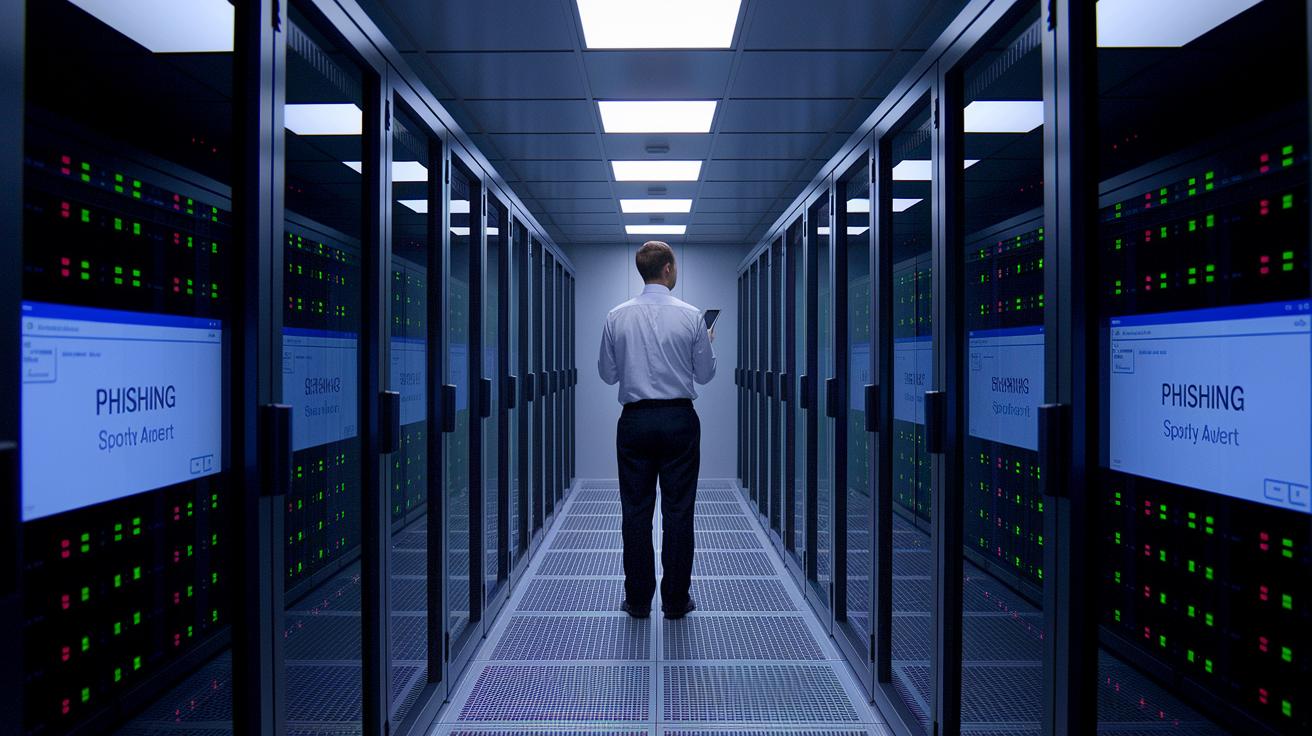
Regular security checks often reveal hidden weak spots that could mess up daily operations. Our team gets hands-on training sessions, think simulated phishing tests and real-time threat drills, designed to fine-tune their knack for spotting anything off. For instance, during one phishing simulation, an employee saw a fake login prompt and immediately flagged it, stopping what could have been a serious breach.
Crypto exchanges take extra care with sensitive data. It’s not just about locking away private keys, deposit addresses, and API keys; these platforms also use end-to-end encryption and multi-factor authentication. So when a step pops up saying, "Enter a code sent to your phone," it really cuts down the chances of unauthorized access.
Keeping both online and offline records is key for staying compliant and managing risks proactively. Detailed logs, paired with tactics like blocking certain IP addresses, help filter out tricky transactions from risky sources. One case showed an exchange using automated IP geolocation to fend off activities from sanctioned regions, proving that smart strategies can work hand-in-hand with regular audits.
Emerging Trends and Future Directions in Crypto Exchange Regulation
A surge of fresh ideas is changing the digital asset landscape. One proposal suggests setting up a strategic bitcoin reserve using seized assets. The goal? To help ease national debt pressures while boosting trust among traders. And there’s a strong push for consumer protections similar to those in traditional banking, a move that could allow digital exchanges to become a regular part of our everyday lives. Imagine if traders’ funds were as secure as deposits in a bank. That kind of reassurance might really light a fire under crypto enthusiasts.
Regulators around the world are gearing up for some big shifts. Groups like FATF and FSB are updating their global guidelines to keep up with a fast-evolving market. Over in the U.S., changes in oversight are stirring talk of a reshuffle between the SEC and CFTC, especially with new leadership at the helm. And then there are plans for unified reporting standards and quicker rule adjustments. All of these changes point to a more agile system that could make overseeing international markets a lot smoother.
Right now, early signs hint that these reforms might tighten regulations and bring more transparency to the market. Traders could soon see clearer rules and a steadier market environment. This, in turn, might mean less risk and more confidence when dealing with crypto exchanges.
Final Words
In the action, we broke down core principles and compared global and US oversight, sharing how compliance measures, licensing obligations, and security protocols play crucial roles in shaping safe trade environments.
We also uncovered enforcement updates and future trends that balance operational risk with consumer protections.
These insights on crypto exchange regulation help simplify complex issues, encouraging informed decisions and a positive shift toward a more secure financial system.
FAQ
What does the SEC approved crypto list mean and what does SEC crypto regulation cover?
The SEC approved crypto list refers to digital assets that have met required regulatory standards. SEC crypto regulation covers rules and oversight that help ensure transparency, investor protection, and proper compliance in the digital asset market.
What is the SEC crypto Task Force and who are its members?
The SEC crypto Task Force consists of regulatory experts and industry professionals who review and address digital asset issues. Its members come from backgrounds such as law enforcement and finance to strengthen compliance and safety.
What do SEC crypto news today and crypto regulation news report?
SEC crypto news today and broader crypto regulation news report on enforcement actions, policy changes, and updates in digital asset oversight. They highlight new developments intended to improve market stability and investor security.
What role does the Securities and Exchange Commission play in crypto?
The Securities and Exchange Commission monitors crypto-related securities to maintain market integrity, ensure compliance with disclosure rules, and protect investors by enforcing established regulatory standards.
Are crypto exchanges regulated in the USA and how are they overseen?
Crypto exchanges in the USA are regulated by both federal and state authorities. They must follow licensing, know-your-customer, and reporting guidelines to help maintain transparency and safeguard investor interests.
What crypto exchange does not report to the IRS?
Some smaller or less formal platforms may not report to the IRS routinely; however, most exchanges are required to comply with tax reporting regulations. It is wise to verify a platform’s compliance before transacting.


