Can a 200-page bill really shape the future of crypto? On May 30, 2024, the House approved a bill that clears up the confusing rules about digital assets. This move might let businesses and investors work with less worry.
With clear guidelines and strict rules to keep funds separate, the bill offers hope for a steadier market. While some critics worry about potential risks, many see it as a promising step toward better oversight and a boost in confidence in the crypto world.
Overview of the House Crypto Bill
On May 30, 2024, the House approved a lengthy 200-page crypto bill. Its main aim is to clear up the confusing rules around digital assets, making it easier for businesses and investors to navigate the system without worry.
The new law sets up clear guidelines to decide whether the SEC or CFTC should oversee digital assets. Essentially, the CFTC now has power over cash and spot-market digital commodity deals that run on decentralized blockchains. And here’s something important: the bill also stops digital commodity exchanges from trading with themselves and makes sure they keep their own funds separate from customer money, with just a few small exceptions.
| Feature | Detail |
|---|---|
| Date | May 30, 2024 |
| Length | 200 pages |
| Committees | House Financial Services, House Agriculture |
| Vote Outcome | Bipartisan support in key committees |
Ultimately, the goal here is to cut through the fog of compliance worries, set firm oversight boundaries, and protect investors, all while creating a more organized framework for digital assets.
Legislative Background of the House Crypto Bill and Committee Votes
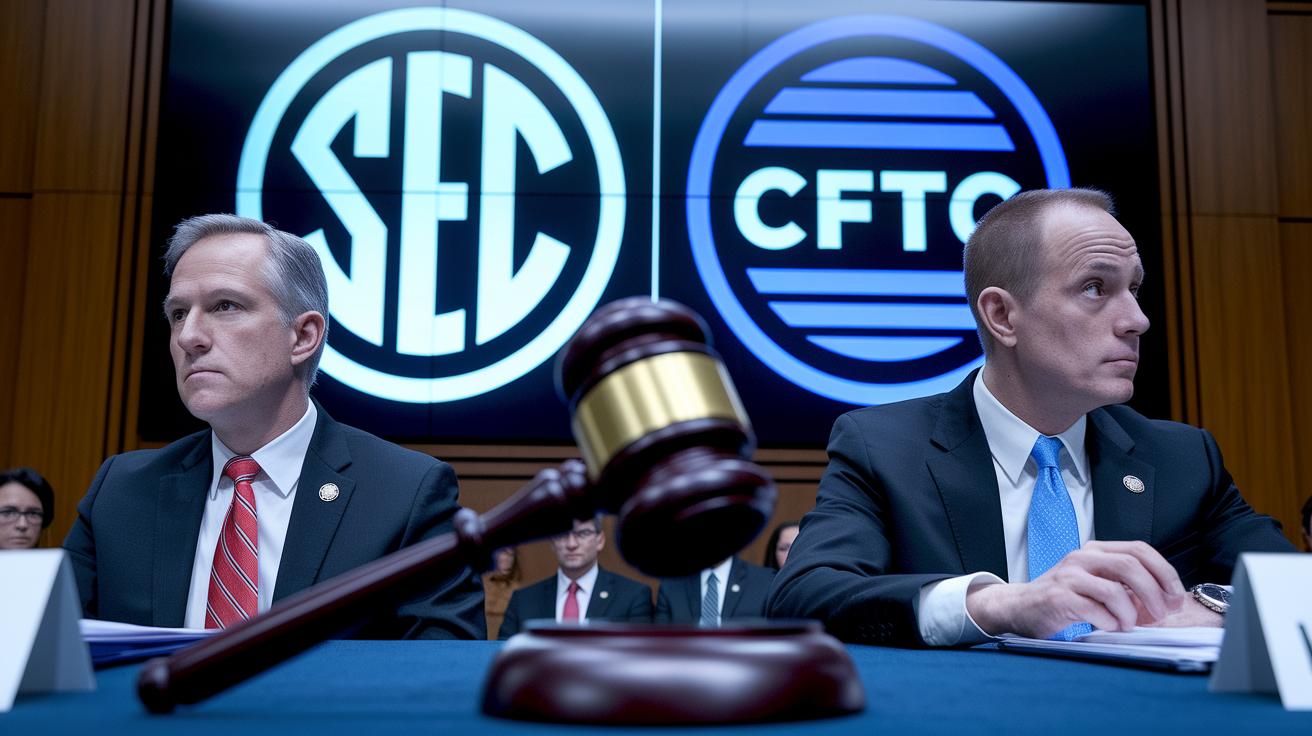
Back in July 2023, the bill made its way into the committees with a straightforward and decisive set of votes. The House Financial Services Committee gave their nod with all the Republicans and six Democrats in favor, and the House Agriculture Committee passed it without a hitch. This strong, early bipartisan support set the stage nicely for the bill as it moved on to wider discussions.
As the bill advanced, some top financial voices raised concerns. SEC Chair Gary Gensler wasn't shy about criticizing the proposal, warning that it might expose investors to more risks. Ranking Member Maxine Waters also pointed out that the bill could fall short when it comes to protecting investor interests. Their comments highlighted a worry that while the bill aims to clear up market confusion, it might not have enough safeguards in place for those investing in a fast-changing digital economy.
Meanwhile, the Senate showed a more reserved vibe. Senate Banking Chair Brown mentioned there wasn’t much enthusiasm for introducing additional digital asset rules. At the same time, Sen. Warren brought up important points about anti-money laundering measures, suggesting that future Senate talks might need to dig deeper into these issues. This cautious stance from the Senate adds another twist to the overall legislative journey of the bill.
Key Provisions of the House Crypto Bill and Regulatory Impact
The latest bill has sparked a positive vibe in the market. Sure, some parts echo past guidelines, but now it hints at changes that might shape the future. The goal is to boost lasting confidence and unlock new opportunities, beyond just following today's rules.
Take token criteria, for instance. They give investors a clearer picture of asset risks, making it easier for digital asset businesses to decide where to put their money. Think of it like sorting apples by size to get the best mix; clear token rules help balance risk and reward.
Another focus is on expanding oversight for decentralized digital commodities. This could lead to fresh, innovative ideas while keeping investor worries in check. And then there’s a prohibition on self-trading aimed at avoiding conflicts and building trust by keeping trading straightforward.
There's also a rule about keeping customer funds separate from operating money. This might mean platforms face higher costs at first, but it encourages safer investment practices. Plus, with less uncertainty in the picture, exchanges and investors might see more steady market practices over time.
Exchanges may need to change how they operate, which could raise compliance costs in the short run. But many see these shifts as a step toward building long-term trust and a stable trading environment. One expert even said, "This move pushes us to focus on the market's future health rather than just ticking off immediate regulatory boxes." As businesses adjust their operations to meet these new rules, overall market confidence could get a nice boost, leading to a deeper and more sustained optimism among investors.
House Crypto Bill Oversight Jurisdiction: SEC vs CFTC Debate

SEC Position
SEC Chair Gary Gensler is concerned that giving too much control to the CFTC could put investors at risk. He worries that if the CFTC takes on a broader role, their rules might not be as strict as needed to keep investors safe in our fast-changing markets. In a recent statement, Gensler mentioned that while he welcomes innovation, a lack of tight oversight can lead to more market instability. He believes we need a stronger regulatory setup to protect everyday investors from potential losses.
CFTC Position
Meanwhile, leaders at the CFTC see the bill as a chance to clear up rule definitions for digital commodities. They point out that having clear guidelines, especially for decentralized token markets, is really important. The CFTC argues that knowing exactly where each agency’s authority lies makes the market more predictable and less confusing. Imagine it like sorting out a messy locker; when everything is labeled, it’s easier to find what you need. This clarity, they believe, will boost confidence among traders and digital asset platforms.
Industry Reaction
Opinions in the industry are mixed. Some exchange operators and trading platforms are excited because well-defined oversight could set clear expectations and help stabilize their operations. Others, however, worry that having two different agencies in charge might create gaps and inconsistencies, which could be exploited. This blend of hope and caution shows that while the bill might improve market practices, investors and industry players are keeping a close eye on how these new rules will work out once they’re put into action.
Political Dynamics and Future Outlook for the House Crypto Bill
With the November 2024 elections on the horizon, many are watching closely to see how political shifts might shape the future of the crypto bill. The changing party balance could mean big changes in how digital asset rules are set. It’s a bit like watching a high-stakes game, where each vote might tip the scales toward bold reform or keep things on a more careful path.
Chairman McHenry is trying a practical approach by looking to include crypto language in a year-end spending or reform package. Think of it as adding that one special spice to a dish that already has a lot of the right flavors. This move suggests that many lawmakers view the digital asset market as a key part of our overall financial picture.
But there are still bumps on the road in the Senate. Some senators, like Sen. Warren, are pushing back, mainly over anti-money laundering issues. They’re saying that while a clearer set of rules is good, we can’t lose sight of the safeguards that keep our markets safe. It’s a reminder that even when progress seems near, there are always details to fine-tune.
Looking into the future, no one can say for sure when the bill will pass. If the political winds turn favorable, it might happen fast. Otherwise, disagreements could slow things down. As the debate continues, many are curious to see if clear rules for the crypto market will eventually win out over the sticking points.
House Crypto Bill in International Regulatory Context

Scraped sources don’t give us much on worldwide crypto rules, which leaves the international side of the House crypto bill a bit blurry. U.S. lawmakers are busy tidying up how digital assets are overseen at home, but the bill’s place on the global stage isn’t crystal clear. It’s a reminder that we need to look at how similar rules have shaped up around the world.
Looking beyond U.S. borders can be really eye-opening. In the European Union, they focus on keeping consumers safe and making financial rules clear as day. Over in the United Kingdom, there’s a mix of strict rules and flexible policies for digital assets. And then, in the Asia-Pacific region, the spotlight is on tough anti-money laundering measures and careful market checks. For a closer look at these different approaches, see the comparison of crypto regulations globally.
This global view not only helps us understand the challenges ahead but also sparks hope that blending the best ideas from around the world with U.S. reforms could really strengthen the crypto market.
Final Words
in the action, we saw how the recent house crypto bill tried to clear up digital asset regulation. The blog post outlined its timing, the shifts in oversight, and key provisions designed to improve market clarity while raising investor protection debates.
We also touched on differing views from the SEC and CFTC and the political dynamics ahead. The overall tone is upbeat, reflecting thoughtful steps toward informed financial decision-making with the house crypto bill.
FAQ
What will a new crypto bill do?
The new crypto bill aims to reduce uncertainty in digital asset markets by setting clear oversight rules and safety measures, assigning token classification duties to either the SEC or CFTC based on asset type.
Has the GENIUS Act passed the house?
The GENIUS Act is not part of the current crypto bill focus, and available reports do not indicate that the act has passed, as lawmakers concentrate on digital asset regulation.
What is the new crypto law 2025?
The term “new crypto law 2025” refers to upcoming legislation designed to establish clear rules for token classification, trading activities, and market safety, offering a predictable framework for digital assets.
What are the three crypto bills in Congress?
The three crypto bills in Congress tackle market clarity, investor protection, and regulatory roles. They work to set consistent criteria for digital assets while outlining oversight responsibilities and safe trading practices.


