
Ever wonder if clear rules might brighten crypto trading? On May 30, 2024, lawmakers passed a 200-page bill filled with strict guidelines for digital assets. Now, the CFTC steps in, treating decentralized tokens almost like everyday items.
This means exchanges can’t trade for themselves anymore, and customer funds stay separate from company money. The idea is to cut through all the confusion and build more trust among investors.
Let’s take a closer look at how this fresh update is reshaping the crypto scene.
Legislative Update: Crypto Bill Passed by House and Key Provisions
On May 30, 2024, the House approved a 200-page crypto bill aimed at cutting regulatory confusion. This new law clearly defines which agency should oversee digital assets. Basically, if a digital asset runs on a decentralized blockchain, the Commodity Futures Trading Commission (CFTC) gets to act like they’re in charge, treating these assets much like commodities. The law even gives the CFTC control over cash and spot-market transactions involving these digital commodities.
One interesting part of the bill is its treatment of conflicts of interest. Digital commodity exchanges are now barred from trading for their own accounts, at least until the CFTC decides on any exceptions. This step is meant to keep the market fair and boost trust among investors.
The law also requires that any platform registered with the CFTC keeps customer money separate from the company’s own funds. However, customers can choose to waive this separation under certain conditions. This mix of rules and flexibility is designed to strengthen investor protection.
Before mainstream digital assets, the idea of regulated digital trading platforms was uncharted; now, clear guidelines are set to transform this market. In truth, these changes help define clear borders for digital currencies, address investor worries, and pave the way for a more organized trading environment.
Regulatory Context and Oversight Changes in the Crypto Bill

The updated digital asset law is shaking things up in the crypto world. It clearly splits the job of overseeing digital assets between two main agencies: the Commodity Futures Trading Commission (CFTC) and the Securities and Exchange Commission (SEC).
For digital assets built on decentralized blockchains, the CFTC treats them like common commodities. This means the CFTC now exclusively handles key spot-market transactions. On the other side, tokens that meet the Howey test, as a way to check if something is a security, stay under SEC control.
Digital commodity exchanges also face new rules. They can no longer trade for themselves, a step aimed at cutting down market bias. That said, the CFTC might allow some specific exemptions down the road. Plus, if a platform is registered with the CFTC, it must keep customer funds separate from its own. This rule gives users more control since they can opt out under certain conditions.
Below is a quick side-by-side look at how the two agencies split their roles:
| Authority | Oversight Scope | Key Provisions |
|---|---|---|
| CFTC | Treats decentralized digital assets as commodities and handles cash/spot-market transactions exclusively | Bans self-trading by exchanges and requires customer funds to be kept separate with an opt-out option |
| SEC | Covers tokens that meet the Howey test for securities | Maintains oversight for tokens that fall under established securities criteria |
This clear split in oversight is expected to boost confidence in the market and make it easier for everyone to follow the rules as the world of digital assets continues to evolve.
Political Process and Vote Breakdown for the Crypto Bill Passed
The path for this crypto law was quite a story, with key committees stepping in and showing strong support across party lines. In July 2023, the House Financial Services Committee gave the green light with every Republican and six Democrats saying yes. Meanwhile, the House Agriculture Committee also backed it, which showed that different groups were working together.
On May 30, 2024, the full House gave its final approval to the bill. Members from both parties voted for it. This move was all about clearing up doubts in the digital asset market and putting rules in place to protect investors.
Throughout the process, not everyone agreed. SEC Chair Gary Gensler raised red flags, worrying that the bill might bring risks to investors and the markets. On the other hand, CFTC Chair Rostin Behnam was more upbeat about the changes, believing that the clear rules and adjustments had been a good move after talks with House Democrats.
| Committee | Support Details |
|---|---|
| House Financial Services Committee | Unanimous Republican support, six Democrats in favor |
| House Agriculture Committee | Unanimous approval |
In the end, the journey of this bill shows a careful effort to protect market interests while still pushing for innovation. It was a balancing act that brought lots of voices to the table.
Senate Resistance and Future Timeline for the Crypto Bill
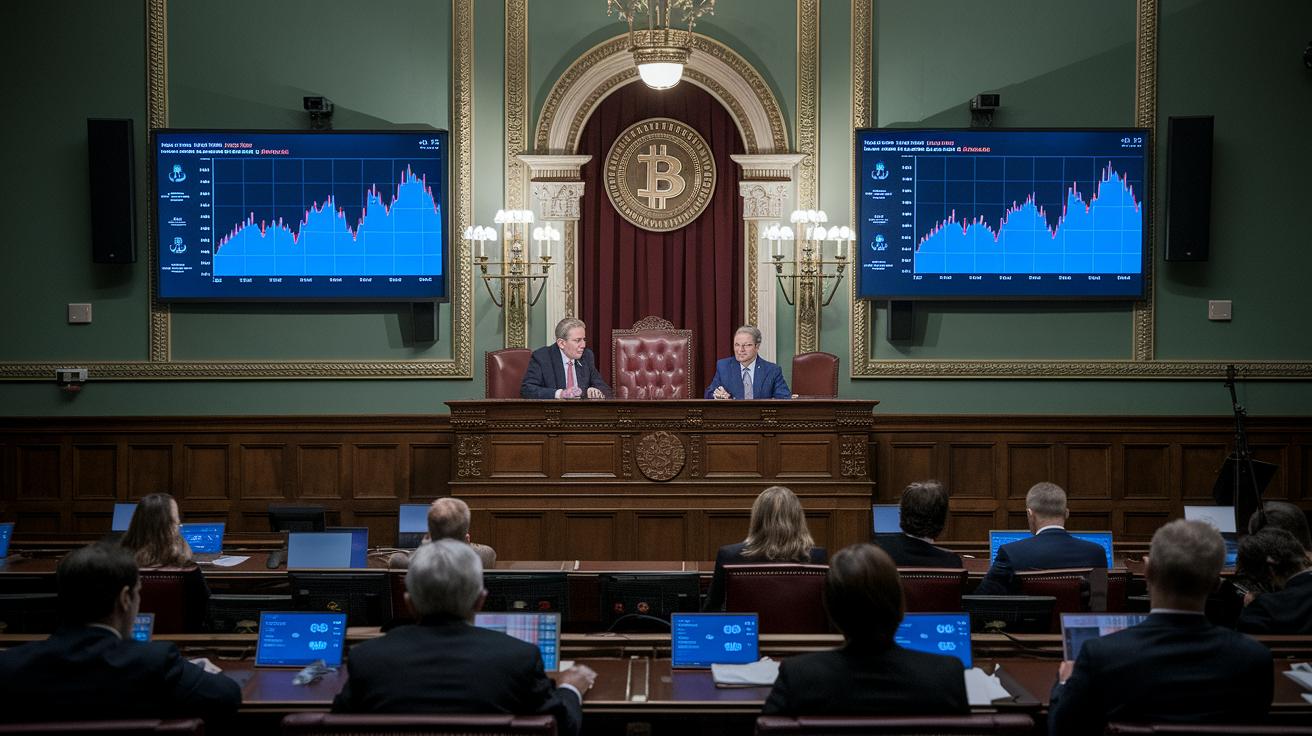
The Senate is a major stumbling block in the journey to update our crypto rules. Top senators like Sherrod Brown and Elizabeth Warren have spoken out against the big changes proposed for digital assets. Their strong objections could put the bill on hold for the entire 118th Congress, pushing its start way back. It feels like there’s a tug-of-war in those Senate halls, traditional caution on one side and a push for new ideas on the other. Ever wonder how these different views on protecting investors and keeping markets free might eventually meet in the middle?
Looking ahead, the bill could see a twist if it gets wrapped into a big year-end spending package steered by House Financial Services Chair Patrick McHenry. This move would bundle it with other legislative ideas, likely pushing its priority further down the line in the Senate. Plus, with the November 2024 elections right around the corner, a shift in the Senate’s makeup might open the door for more back-and-forth negotiations across party lines. Could new Senate dynamics pave the way for a balanced approach to regulating digital assets that satisfies both reform advocates and the more cautious lawmakers? Only time and some good bipartisan conversations will tell.
Expert Analysis and Industry Response to the Crypto Bill Passed
Experts are calling this new crypto bill a real game changer. You know how confusing digital assets can be? Now, with more defined rules, big players might finally feel comfortable stepping in. One expert mentioned, "Investors might finally feel safe enough to bring more capital into the market now that rules are in place." It's a careful mix of keeping investors safe while still opening up opportunities for growth. Many major exchanges and industry groups are already drawing up compliance plans as they wait for the CFTC to roll out detailed regulations.
Investor protections like separating customer funds and restrictions on self-trading should help boost confidence. Still, some parts are waiting for more clarity from upcoming CFTC rules, and everyone in the industry is watching that closely. Here’s a quick look at some key points:
| Aspect | Insight |
|---|---|
| Market Liquidity | More institutional involvement could mean smoother, deeper markets. |
| Investor Protection | Rules like fund segregation and self-trading bans aim to increase trust. |
Even with these positive signs, not everyone is completely on board. SEC Chair Gary Gensler is cautioning about risks that could hurt investors, while CFTC Chair Rostin Behnam emphasizes the need for clear standards. This split shows that the conversation about balancing investor safety with innovation is just getting started.
Final Words
In the action of legislative changes, this piece explored how a crypto bill passed sets new rules for digital assets. We broke down key provisions, explained the roles of SEC versus CFTC, and recapped the detailed vote breakdown. We also touched on Senate resistance and shared expert views on market impact and investor protection. These insights provide a clear view of emerging financial regulations. A renewed focus on improved oversight brings promise for a more balanced and forward-thinking financial environment.
FAQ
Is the crypto bill passed?
The crypto bill is passed by the House on May 30, 2024 with bipartisan support. Its key provisions now move forward for further review, marking an important step toward reducing uncertainty in digital asset regulation.
Is crypto going to be regulated in the USA?
The crypto bill sets up a new framework in the USA where the SEC handles tokens as securities and the CFTC oversees decentralized digital assets and spot transactions, promising clearer oversight and enhanced investor protection.
What does the crypto bill mean?
The crypto bill means major reforms by clearly defining the roles of both the SEC and CFTC, establishing rules on conflict-of-interest and fund segregation on platforms, and reducing regulatory uncertainty for digital assets.
What does the GENIUS Act mean for crypto?
The GENIUS Act means a targeted effort to shape digital asset markets by providing clearer regulatory guidelines and customer safeguards, with its full impact unfolding as rulemaking and legislative discussions progress.


