Ever wondered about putting your money into countries that are growing fast? Emerging market index funds let you join booming economies without having to pick individual stocks. With just one investment, you’re sharing in the growth of many quickly advancing nations, all while keeping your strategy smart and spread out. In this post, we’re going to explain how these funds work, check out some performance numbers, and chat about why they might be a clever way to aim for strong returns.
Understanding Emerging Markets Index Funds

Imagine tapping into the energy of fast-growing economies with just one investment. Emerging markets index funds let you do that by bundling together stocks from countries that are booming. They follow a well-known list, like the MSCI Emerging Markets index, which keeps track of about 1,203 companies across 24 countries (as of 30/06/2025). This list covers roughly 85% of each nation’s available stocks, so you're getting a big slice of what these markets have to offer, kind of like buying a mixed bag of your favorite candies instead of picking them one by one.
These funds work by constantly adjusting their holdings to match the index, which means instead of choosing individual stocks, the manager makes sure your investment stays in sync with the overall market vibe. It’s a smart way to spread out your money, keep costs low, and always stay connected to the pulse of emerging markets. And hey, isn’t it nice to know your money is softly humming along with some of the fastest-growing economies out there?
Performance Metrics and Historical Trends in EM Index Funds

Emerging markets index funds are showing some pretty interesting numbers that many investors find hard to ignore. The latest data, as of 07.08.25 in EUR, doesn’t just highlight basic returns, it also factors in dividends that are counted at the end of each month, making comparisons between MSCI EM funds and their MSCI World counterparts much clearer. Think of it like checking the season stats of your favorite sports team, where every point and play adds up to the final score.
Investors use these historical return figures to track trends over different time frames and pick the best time to invest. It’s a bit like spotting a pattern in the rhythm of a game, which helps in making choices that best fit your goals.
| Period | MSCI EM (EUR) | MSCI World (EUR) |
|---|---|---|
| 1-year | +8.2% | +6.5% |
| 3-year | +5.4% p.a. | +4.8% p.a. |
| 5-year | +7.1% p.a. | +5.9% p.a. |
These figures suggest that emerging markets can sometimes score higher growth rates compared to global equity funds over various time periods. But remember, dividends and the exact timing when these numbers are measured play a big role. With dividends included at month-end and carefully chosen benchmark dates, investors can get a well-rounded snapshot of market trends that helps in making smart, strategic portfolio decisions.
Cost Structures: Expense Ratios of Emerging Markets ETFs

When you look at MSCI EM ETFs, you'll find their expense ratios typically range from about 0.14% to 0.66% each year. These fees, which are a small slice of your total investment, cover the cost of managing the fund. It’s a pretty simple setup, especially since passive funds just follow an index without lots of trading.
On the flip side, actively managed mutual funds usually ask for much higher fees. Why? They do a lot more buying, selling, and research, which naturally bumps up the costs. Over time, those higher costs can really add up and eat into your returns.
Even if the fee difference seems small, it matters a lot in the long run. Lower fees let more of your money work for you, keeping more gains in your pocket. In simple terms, emerging markets ETFs offer a cost edge that might make them a smart pick if you’re planning to invest over a longer period.
Assessing Risk in Emerging Markets Index Investing

When you invest in emerging markets, one big worry is currency risk. A change in exchange rates can really affect how much profit you actually get when you swap your money back into your own currency. Imagine checking your account and feeling a bit shocked because, even though your stocks did well, a sudden drop in the local currency shaved off some of those gains.
Political and legal issues are also major players here. Changes in government policies or even unexpected unrest can shake up the market in no time. It’s a bit like watching your favorite sports game where one surprise decision can change the whole play. Suddenly, a small change in the rules can make everyone a bit nervous about investing.
There’s also the problem of liquidity. In some emerging markets, trading isn’t as smooth as it is in well-established ones. Think about trying to leave a busy store during a huge sale because there aren’t enough open registers. When it comes to selling your investments quickly, things can get delayed and sometimes even cost you extra.
Then, there’s the wild ride of volatility. Stocks in emerging markets can swing up and down like a roller coaster that suddenly takes a steep dive. These rapid shifts mean you have to be ready, both mentally and with a smart plan, to hold on during the ups and downs.
index funds emerging markets: Thriving Returns Ahead

When you compare emerging market funds with those from developed markets, you see that emerging market funds can offer faster growth, but they come with sharper ups and downs. Think of it like a roller coaster ride, thrilling peaks can be paired with steep drops. Investors often use tools like standard deviation and Sharpe ratios (which help measure risk and return) to understand these moves. In emerging markets, numbers can swing widely, meaning big gains in good times and sharper falls when conditions shift.
Adding emerging markets to your portfolio isn’t just about chasing high returns; it’s also about building a safety net. When you mix investments from different parts of the world, any stress in one area might be softened by steadier performance from another. This blend can reduce losses during market dips and keep your overall investments more stable over time. Many people find that a well-diversified mix, including emerging markets, helps balance the excitement and the risk. It's a smart way to aim for growth while keeping things smooth overall.
Allocation Strategies for Emerging Markets Index Exposure

Spreading your investments across different emerging markets can really help balance risk and boost potential gains. Think of it like not putting all your eggs in one basket, this way, you get to enjoy the ups without being too hurt by any single market dip.
One simple method is to follow the market-cap weighted approach, where your money automatically follows the size of each market. But if you want to avoid one country from having too much influence, you might prefer an equal-weight strategy that gives every emerging market the same chance. And for those feeling a bit adventurous, tilting your allocation towards frontier markets can tap into smaller, promising areas with room to grow.
Regularly rebalancing your portfolio, whether quarterly or annually, is like tuning your instrument as market conditions change. This practical mix of strategies not only grabs emerging opportunities but also helps keep your portfolio on track. Have you ever noticed how a small change here and there can set you on a better course?
Index Funds Emerging Markets: Thriving Returns Ahead
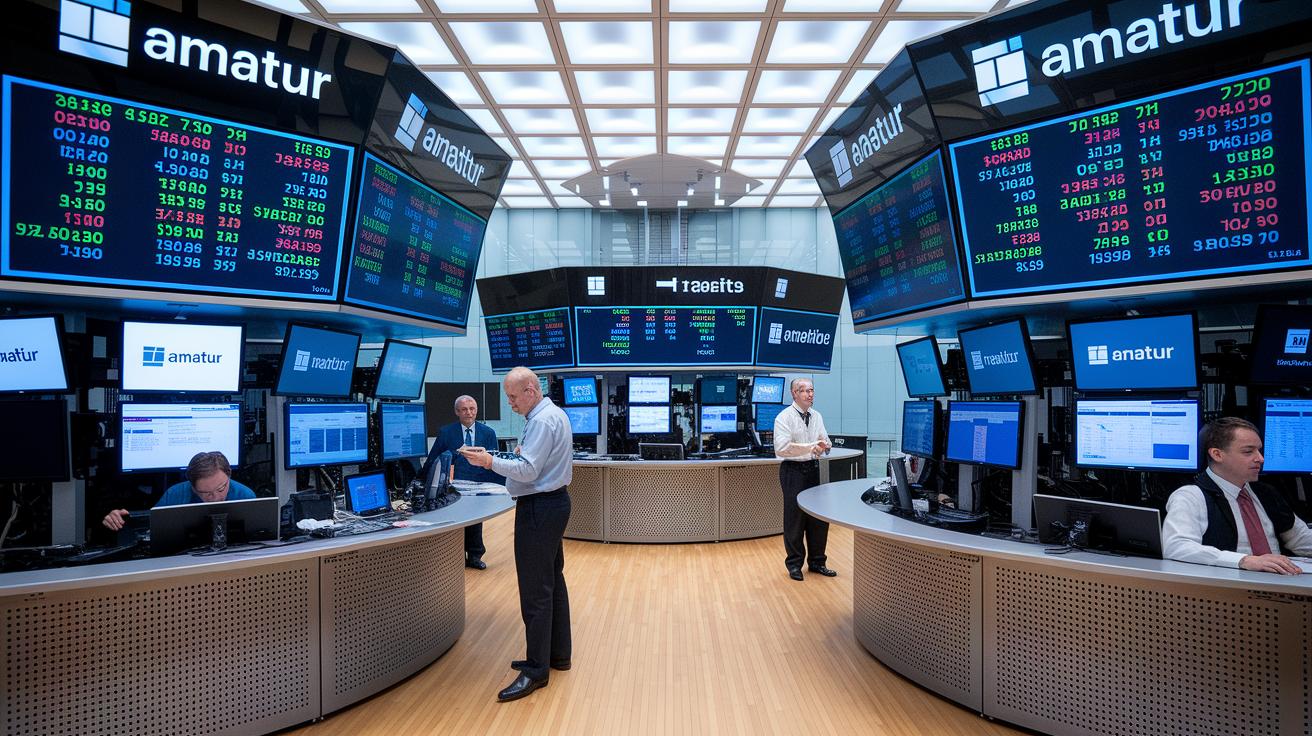
Emerging markets index funds have been turning heads thanks to their solid one-year growth, sizable fund assets, and low fees. As of 31.07.25, these funds are compared by looking at return percentages, total expense ratios, and their asset sizes in euros. Let’s take a closer look at a few top picks that offer a friendly balance of low costs and promising returns.
Starting with the iShares MSCI Emerging Markets ETF (EEM), this fund sports a total expense ratio of 0.66%, a one-year return of about 8.2%, and roughly EUR 30 billion in assets. Have you ever noticed how the energy of a busy trading floor reflects the pulse of a market? That’s what EEM captures so well every day.
Next up is the Vanguard FTSE Emerging Markets ETF (VWO). With a TER of just 0.41% and a one-year return near 8.0%, this fund holds around EUR 25 billion in assets. It’s a favorite for many because it combines cost efficiency with a broad slice of the market.
Then there’s the Xtrackers MSCI Emerging Markets ETF (DBEM). This fund impresses with a low TER of about 0.40%, a one-year return around 7.9%, and nearly EUR 15 billion in assets. Its lower fee structure makes it a smart choice if you’re keeping an eye on costs without sacrificing performance.
The SPDR Portfolio Emerging Markets ETF (SPEM) is another solid option. It offers a TER of approximately 0.40%, a one-year growth rate of about 7.8%, and holds close to EUR 8 billion in assets. Its steady performance adds a reliable option to consider.
Finally, the Invesco FTSE RAFI Emerging Markets ETF (PXH) comes in with a TER of roughly 0.50%, a one-year return of around 8.3%, and it manages nearly EUR 5 billion. This fund serves investors seeking a balanced, growth-oriented approach.
When you compare these funds, simple factors like low fees, strong year-on-year returns, and impressive asset sizes guide you to smart exposure in emerging markets. Here’s a quick look at the key details:
| Fund | Total Expense Ratio (TER) | 1-Year Return | Asset Size (EUR) |
|---|---|---|---|
| iShares MSCI Emerging Markets ETF (EEM) | 0.66% | 8.2% | ~30 billion |
| Vanguard FTSE Emerging Markets ETF (VWO) | 0.41% | 8.0% | ~25 billion |
| Xtrackers MSCI Emerging Markets ETF (DBEM) | 0.40% | 7.9% | ~
Final WordsIn the action, we broke down the basics of emerging markets index funds, explained how benchmarks like MSCI guide fund construction, and reviewed performance metrics. We tackled cost structures, risk factors, and compared emerging markets with developed ones. We also shared practical allocation tips and showcased top fund picks that can boost a diverse portfolio. All these insights work together to help you understand and navigate the exciting world of index funds emerging markets. Keep exploring and refining your strategy for a brighter financial future. FAQWhat are some top emerging markets index funds?The top emerging markets index funds track performance across developing economies using benchmarks like the MSCI Emerging Markets. These funds are highlighted by community reviews and ratings from sources such as Morningstar. Which emerging markets index fund does Vanguard offer?The Vanguard emerging market index fund provides broad exposure to developing economies by replicating established benchmarks. It is known for offering cost-effective diversification for investors seeking international growth. What is considered the best emerging markets index fund?The best emerging markets index fund varies by investor goals, including factors like expense ratios, tracking accuracy, and historical returns. Analysts and investors often rely on ratings and performance reviews to decide. Does Fidelity offer emerging markets index funds?Fidelity offers emerging markets exposure within its range of index funds. Their funds provide diversification alongside other options like U.S. bonds or large-cap growth, allowing investors to balance international and domestic holdings. What emerging market-related funds does Fidelity provide?Fidelity’s lineup includes diverse options such as the Fidelity International Index Fund and Fidelity Total Market Index Fund, offering investors tailored choices for both emerging and overall market exposure.  More like this |


