Have you ever wondered if your digital wallet is truly secure? Stablecoins protect your money with trusted tech standards, kind of like a vault with several layers of locks. In this piece, we’re talking about how strong encryption and smart contract checks work together to keep hackers at bay.
We’ll also look at how both on-chain measures (that happen directly on the blockchain) and off-chain checks (outside the blockchain) are backed by regular audits. This helps keep your digital coins steady even when the market gets a bit unpredictable.
Think of this as a friendly walkthrough of the main protocols that make stablecoins a safe haven in a sometimes risky digital world.
Core Security Protocols for Stablecoin Trust
Stablecoins are digital currencies that maintain a 1:1 value with a fiat currency or commodity, which helps protect against the wild swings you might see with coins like Bitcoin or Ethereum. Most stablecoin activity, about 90%, is managed by central teams, so having strong security protocols is key to keeping their value steady and trusted. Teams use secure crypto methods that cover both on-chain and off-chain processes, making sure every transaction and reserve detail is locked down with advanced encryption and authentication.
On the blockchain side, consensus checks work hand in hand with off-chain reviews to confirm that the digital reserve always matches its real-world backing. Smart contracts are regularly examined and compared with external audits to catch any unusual activity. It’s like having several layers of safety: if one part slips, a backup is already in place to keep the system stable.
There’s also a solid governance structure keeping a close eye on these technical standards. Experts routinely look for weaknesses, whether it’s smart contract flaws, breaches in custodial security, or algorithm hiccups. They run practice scenarios to prepare for sudden market shifts, ensuring that the coin stays steady even when the market gets a bit wild.
Finally, these secure crypto methods not only defend current operations but also lay the groundwork for future tech upgrades. By constantly cross-checking, auditing, and adding extra layers of defense, stablecoins can promise the reliability and trust that users depend on every day.
Encryption and Cryptography in Stablecoin Security Measures
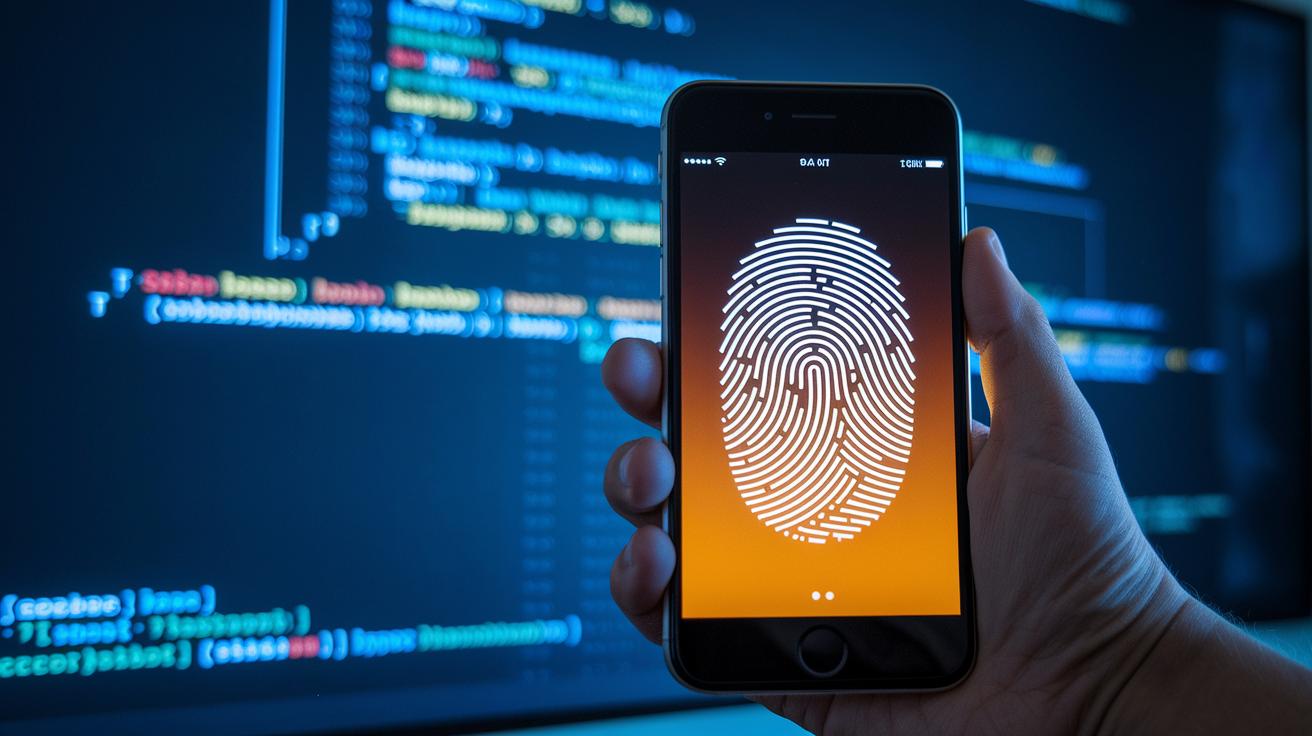
When you send a stablecoin, it uses trusted encryption methods like AES-256 to lock up every detail, just like a high-security safe for your money. And to make sure each transaction is truly yours, stablecoins apply elliptic-curve digital signatures with ECDSA, think of it as a digital fingerprint that proves a transfer is real.
Off the blockchain, reserve data is tucked away in locked, encrypted databases that only the right folks can peek into. Just like a car needs regular oil changes, these systems get timely updates of their cryptographic tools to fend off fresh cyber threats. Plus, tamper-evident hashing acts like an alarm system, instantly flagging any unauthorized changes.
By mixing layered security on the blockchain with extra safety off it, stablecoins keep both their transactions and backing reserves in tip-top shape, even when market conditions get a bit wild. Experts agree that these methods aren’t a one-and-done deal; they require ongoing tweaks and updates to stay reliable, ensuring our financial setup remains strong and trustworthy.
Smart Contract Audits and Vulnerability Scanning for Stablecoins
Decentralized stablecoins run on smart contracts. These contracts can sometimes have bugs, like sneaky reentrancy issues, number errors (where values go too high or too low), or even weak access controls. Teams dig deep into every line of code to spot these flaws early. One developer even said, "A careful code review revealed a tiny bug that, if ignored, could have left the contract open to attacks."
So, what do they do next? They use advanced tools that crunch the numbers. These formal verification tools check the contract's logic with math, while other programs scan the code for odd behavior. Imagine it as having a digital eye that catches things a human might miss. Plus, there are systems that watch live operations, alerting teams if something unexpected happens.
Then, the process gets an extra layer of safety. Independent auditors, people not involved in the original coding, take a close look and can spot subtle errors. Bug bounty programs and simulated attacks test the contract just like real hackers would. This means any gaps get patched up fast. Developers also stick to defensive coding practices throughout the project, making sure each contract is built to last.
Regular code reviews stay at the heart of keeping smart contracts secure. By combining automated checks with human oversight, stablecoin platforms create a safe space that protects assets and earns lasting trust.
Compliance Frameworks and Proof-of-Reserves in Stablecoin Security

Fiat-backed stablecoins like USDC and USDT keep their value steady by relying on everyday bank deposits and U.S. Treasury bills. The teams behind these coins run live, regular audits, imagine checking your bank account every hour, to prove that each digital token is truly backed by a dollar. It’s a real-world check that reassures users.
On the flip side, tokens backed by tangible assets, such as PAXG, depend on certifications from LBMA-approved vaults. This means you can clearly see that there’s actual gold supporting each token. A third-party audit now and then helps catch any hiccups quickly, keeping everything transparent and trustworthy.
Building trust is all about showing that every step is secure. Regulators require strict AML and KYC checks to stop any misrepresentation of these reserves. Picture a compliance team using an audit checklist to verify that every transaction is safe and logged for review. It’s a method that boosts stability and reassures everyone involved.
Real-world compliance isn’t just about ticking boxes, it combines technical reviews and regular audits to form a solid safety net. Tools like live dashboards displaying audit metrics offer peace of mind, confirming that the system is both reliable and secure. This careful attention ensures that market participants can trust that the assets behind stablecoins are always safe.
Off-Chain Custodial Safeguards and Reserve Management in Stablecoins
When it comes to keeping stablecoins safe, the process is like having a secure vault for your money. Issuers put their cash reserves in bank accounts that are protected by the FDIC, while commodities are stored in vaults approved by the LBMA. Digital assets are handled with extra care, using multi-signature wallets and special hardware security modules that follow strict cold storage rules. Regular audits, both internal assessments and independent checks, ensure that every token is backed by real, tangible assets, guarding against any unauthorized minting or theft.
Key systems take care of private keys and safeguard sensitive data. Think of these systems as having a lock and key to manage who can access important information. Chain-of-custody checks are also in place and play a vital role in tracking asset movements. One market expert said it best: “Meticulous adherence to cold storage guidelines and frequent chain-of-custody evaluations are the backbone of stablecoin collateral integrity.” And just like you’d want extra security at home, insurance policies provide an added shield, working hand-in-hand with strong internal controls and rigorous audits to build trust in the whole setup.
Even when digital assets aren’t being actively traded on the blockchain, these off-chain measures keep them secure. The strategy involves a mix of comprehensive cold storage rules, proven backup processes, and layered key management. Regular checks of deposit reserves add another level of confidence, making sure that both custodial setups and the underlying systems stand firm against threats. In short, stablecoin issuers can rely on these practices to maintain strong security and dependability for their digital assets.
Real-Time Monitoring and Incident Response for Stablecoin Safety

Think of real-time monitoring as an ever-alert guard watching over stablecoins. It keeps tabs on both on-chain and off-chain activity, scoring risk levels and spotting anything unusual. For instance, if there’s a sudden spike in transactions at 2 a.m., an alert sounds off, prompting experts to take a closer look.
These setups are supported by strong intrusion detection tools that check every process and data transfer. SIEM systems, which gather security logs from cloud networks and digital infrastructures, create a clear picture of overall system health. Imagine a dashboard that suddenly flashes red as data points stray from the norm, that’s the signal for immediate breach response planning.
And then there’s the dedicated 24/7 incident response team. These professionals are always on standby to coordinate emergency action. Whether it’s a potential hack attempt or a minor flaw in the system, they jump in to isolate and resolve the issue right away.
By blending continuous real-time anomaly detection with detailed security logging and a solid intrusion detection framework, stablecoins keep their promise of reliability. This multi-layered strategy ensures that any threat is met with precise action, reducing disruptions and reinforcing the trust you can place in these digital assets.
Emerging Threat Mitigation and Future-Proofing Stablecoin Security
Stablecoin platforms are getting tougher by adding smart threat checks into their daily routines. One analyst even said, "Adversary drills are like fire drills for software – they show what’s weak before real trouble begins." This method builds a solid strength into the very heart of stablecoin security.
Teams run real-life practice drills, economic stress tests, and targeted attack simulations. These exercises mimic intense scenarios that could shake a coin’s balance, like when TerraUSD lost billions in May 2022. By testing these harsh conditions, experts can fine-tune how they respond to incidents and make the system even sturdier.
Regular updates keep defenses on their toes. When new threat details pop up from around the globe, systems learn fast and adjust. Frequent stress tests also confirm that every part of the network is ready for unexpected challenges. In short, using these forward-thinking practices helps reduce risks and makes sure stablecoins stay strong against future security challenges.
Final Words
In the action, the discussion walked through smart encryption, vigilant contract audits, robust compliance frameworks, off-chain custodial safeguards, and real-time monitoring to keep assets secure. Each step builds a solid foundation against vulnerabilities, laying out clear, practical strategies for both technical and regulatory challenges. These stablecoin security measures create a resilient system ready to respond to emerging threats. It's a confident stride toward a safer, more transparent financial world.
FAQ
What regulatory uncertainty exists for staking rewards and what liquidity concerns might you face when staking your tokens?
The key points are that vague regulatory policies can create risk regarding reward structures, and tokens may be locked up, limiting quick access to funds during shifts in the market.
What is true when staking a crypto-asset like Ethereum?
Staking Ethereum means you lock up your tokens to help keep the network secure and earn rewards, but you also risk price swings and potential penalties if performance issues occur.
What risks should be considered when staking assets on a proof-of-stake network?
Staking on a proof-of-stake network involves potential regulatory uncertainty, reduced liquidity due to lock-up periods, and technical vulnerabilities that might affect overall returns and security.
Why use blockchains other than Ethereum for staking?
Choosing blockchains beyond Ethereum can offer alternatives like lower fees and different security approaches, though each network has its own performance and risk profile to weigh carefully.
Will stablecoins change in value?
Stablecoins are engineered to maintain a steady value by pegging to fiat currency, so while minor fluctuations can occur under extreme conditions, they generally remain stable.
Do stablecoins have security risks?
Stablecoins face risks such as smart contract flaws, custodial errors, and regulatory challenges, which can impact reserve integrity and transaction security despite robust protective measures.
How are stablecoins regulated in the US?
US regulators implement measures like AML/KYC protocols, routine audits, and reserve verifications, ensuring that stablecoins maintain a reliable 1:1 backing with traditional assets.
What are the essential cybersecurity measures?
Core cybersecurity steps include physical protection, network defenses, encryption of data, strong user authentication, and strict access controls that together help secure digital resources.
What are the four types of stablecoins?
Stablecoins generally come in fiat-backed, crypto-backed, commodity-backed, and algorithmic forms, with each type using a different method to maintain price stability.
Are USDC, XRP, Dogecoin, TRON, Litecoin, and Bitcoin Cash stablecoins?
Among these, only USDC is a stablecoin with a fixed peg to fiat currency; the others are traditional cryptocurrencies whose values shift based on market dynamics.


