Have you ever stopped to wonder what makes a stablecoin stay steady? Think of it like a safety harness for your money. Stablecoin collateralization means that each coin is backed by real assets, like cash or other cryptocurrencies. In other words, there's a genuine, tangible reserve supporting every coin, which helps lower risk and boost confidence in digital payments.
Imagine it like building a strong foundation under a sturdy house. These solid reserves help connect traditional finance with the digital realm, keeping trust at the heart of every transaction.
stablecoin collateralization: resilient backing for trust
Collateralized stablecoins get their value from real, tangible assets. Every coin is backed by reserves like cash or cryptocurrencies, which helps keep its value steady. Unlike these, algorithmic stablecoins depend on smart contracts that tweak the coin supply based on market demand. So when the price tops its target, the system creates more coins. This method is very different from how USDT or USDC work, where each token is matched 1:1 with a U.S. dollar.
By design, collateralized stablecoins offer a predictable value, cutting down on risks from sudden market shifts. Think of it like a safety net, each coin is directly tied to a real asset. This backing makes them more stable, even during turbulent times. And when users see such clear asset protection, they feel comfortable using these coins for international deals where lower conversion fees and less exposure to exchange rate swings are a bonus.
Plus, thanks to on-chain methods, anyone can check that the reserves are solid. Some systems even keep extra assets, sometimes over 100% of what’s needed, to cushion against quick price changes. This extra layer of security makes collateralized stablecoins attractive for both everyday payments and global transfers. With growing interest in central bank digital currencies, there’s a hint that future regulations might tighten up and mix even smoother with traditional finance.
In short, the strong backing of these stablecoins builds trust and paves the way for broader use by blending traditional assets with today’s digital innovations.
Common Collateral Types in Stablecoin Collateralization

Collateral is the backbone that keeps stablecoins solid and reliable. It acts like a safety net, made from different types of assets that offer their own mix of clarity, ease of conversion (liquidity), and risk. Some stablecoins use regular money like USD or EUR for steady support. Others lean on digital tokens such as ETH or BTC and often need extra backing, kind of an extra cushion, to handle any sudden drops.
Then you have pools that mix several crypto tokens together, spreading out the risk. And, interestingly, there’s also asset backing with things like gold. This shows that even non-digital items can add a stable touch in the digital world.
Below is a simple HTML table that lays out these four key collateral types with examples, their liquidity profiles, and risk considerations:
| Collateral Type | Examples | Liquidity Profile | Risk Considerations |
|---|---|---|---|
| Fiat Currency | USD, EUR (USDT, USDC) | High liquidity due to regulated bank accounts | Subject to regulatory changes and conversion risks |
| Single Crypto Tokens | ETH, BTC | Moderate liquidity; market-dependent trading volume | High volatility; overcollateralization required |
| Multi-Asset Crypto Baskets | Diversified crypto tokens | Varied liquidity; benefit from diversification | Complex market dynamics can obscure individual asset risks |
| Commodity Backing | Gold | Generally stable but may lag in liquidity compared to digital assets | Storage, audit challenges, and response time concerns |
Even a quick look at these options shows that balancing speed of liquidity with risk management is key. It’s all about finding the right mix to suit different financial needs.
Overcollateralization Strategies and Crypto Reserve Ratios in Stablecoin Collateralization
Crypto-backed stablecoins usually keep more backing than the number of tokens they issue. In other words, issuers set a reserve ratio above 100% so there’s extra value behind every token created. That extra cushion helps protect against sudden drops in market prices.
Sometimes, a fixed backup isn’t enough. So, systems now use dynamic reserve scaling. They tap into real-time price data via smart contracts and price oracles. If an asset’s value dips, the system can quickly bump up the collateral ratio to keep things steady.
There’s also a built-in safety net. When the reserve drops below a certain threshold, assets are automatically sold off to rebalance the system. This approach ties together asset stability and on-chain debt management so that even in volatile moments, the backing remains strong.
These methods don’t just support token stability, they build trust by staying a step ahead of risks. Ever notice how a tiny shift in numbers can trigger a chain of safety moves? It’s a smart way of keeping value secure in unpredictable markets.
Audit and Risk Management Protocols for Stablecoin Collateralization

Let’s talk about why solid audit frameworks are absolutely key to keeping stablecoins backed. Issuers depend on monthly checks by independent third parties to confirm their fiat reserves, and they also use on-chain proof-of-reserves with Merkle trees, a smart, visual way to verify data. Off-chain bank reconciliations paired with real-time on-chain balance checks work together to create a strong, trustless verification process. In plain terms, every token is fully backed by quality reserves, giving users that much-needed peace of mind.
Automated risk management is another essential piece of the puzzle. Dedicated dashboards keep an eye on collateral values in real time, sounding off with alerts or even triggering liquidations when things start to skew. Regular updates in the form of secure asset ratios add a layer of transparency, reassuring token holders and regulators alike. It’s a blend of smart automation and continuous monitoring, building a solid foundation of trust in every transaction.
Today, continuous monitoring and routine audits aren’t just best practices; they’ve become industry standards. Robust risk metrics let anyone involved track shifts in collateral valuations as they happen. Frequent reporting and automated notifications help nip potential issues in the bud, ensuring that trust remains at the heart of every interaction. In short, all these measures work together to boost transparency and safeguard your investments.
Regulatory Frameworks Impacting Stablecoin Collateralization
U.S. Regulatory Landscape
In the United States, stablecoins are treated a lot like money-market funds, which means their issuers have to keep strict reserve ratios and follow firm capital rules. This setup ensures that every coin has a trustworthy backing. Regulators check in often, even requiring regular financial reviews to be sure there’s enough solid reserve. It’s all about building and keeping user trust.
EU MiCA Requirements
Across Europe, the MiCA framework lays out clear rules for holding reserves. Providers need to keep their collateral safe and undergo regular audits, often every month, to confirm that their backing assets remain sound. Public disclosures are a must, so everyone can see how healthy these digital assets are. This open approach makes it easier to track and trust the system.
Asia-Pacific Sandboxes
In the Asia-Pacific region, regulators are experimenting with new ideas through pilot programs known as sandboxes. These tests allow for creative oversight solutions while still meeting established reserve standards. The goal is to gather real-time feedback that helps fine-tune how stablecoins are backed, especially in a market that can shift quickly.
Comparative Benchmarks and Case Studies in Stablecoin Collateralization
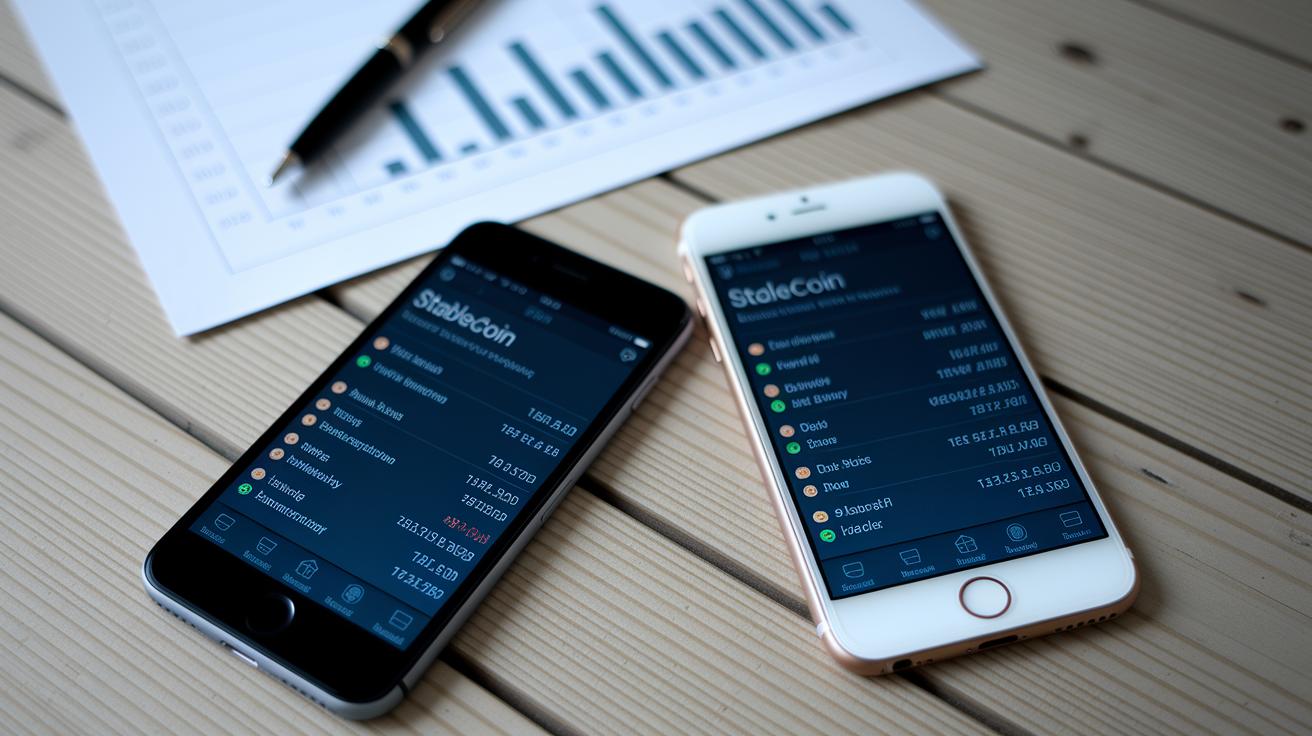
Let’s take a look at how three popular stablecoins handle their backing. The table below breaks down each coin’s collateral method, reserve amount, audit check-ups, and regulatory oversight.
| Stablecoin | Collateral Type | Reserve Ratio | Audit Frequency | Regulatory Status |
|---|---|---|---|---|
| USDT | Fiat-backed (USD reserves) | ~100% | Monthly attestations | Informal attestations |
| USDC | Fiat-backed (segregated dollar accounts) | ~100% | Monthly audits | NY State trust license |
| DAI | Multi-crypto overcollateralization | ~150%+ | Continuous on-chain | Decentralized framework |
USDT keeps it straightforward. Each token pairs with a U.S. dollar, and while it gets monthly attestations, these checks aren’t tightly regulated. It’s like having a friendly nod of approval each month rather than a full checkup.
USDC, however, works with segregated dollar accounts so every token is backed up just right. With monthly audits and a license from New York State, it builds a stronger layer of trust and clarity for its users.
DAI has a different vibe. It uses a mix of different cryptocurrencies and overcollateralizes, often holding 150% or more in safety. If things get shaky, automatic auctions help keep its ratio in line. This decentralized approach means no single boss is overseeing it, adding a cool twist to its design.
Each of these methods offers a unique way to manage stability in a sometimes unpredictable financial world.
Emerging Trends in Stablecoin Collateralization and Asset-Stability Mechanisms
Hybrid models that blend collateral with smart, algorithm-driven supply adjustments are catching on fast. Issuers are now backing tokens with real assets while also letting computer-driven systems tweak supply as market conditions change. Think of it like hitting a pause button during a stressful moment; circuit breaker mechanisms stop redemptions when things get tough, helping to slow down any wild, sudden shifts.
Recent research is shining a light on dynamic evaluation methods that check collateral levels in real time. Developers are trying out systems that continuously monitor digital asset security. If the market takes a turn for the worse, these automated liquidity pools step in to absorb shocks, sort of like bumpers on a car, smoothing out rough price movements. Meanwhile, tests with central bank digital currency pilots are mixing on-chain backing with traditional reserve management, merging old-school stability with cutting-edge blockchain tech.
This mix of hard assets and algorithm-driven supply control looks set to shape the future of stablecoin collateralization. By combining reliable backing with smart automation, the system is built to stand strong even when the market feels under pressure.
Final Words
In the action, our discussion shed light on how collateralized stablecoins work. We looked at real-world examples, explored collateral types and overcollateralization methods, and examined audit and regulatory protocols. Each section paints a clear picture, from fiat-backed tokens to crypto reserves with dynamic scaling measures. Market trends and case studies confirmed that clear mechanisms maintain trust. Stablecoin collateralization remains a reliable tool for secure transfers, and ongoing innovations are paving the way for even safer, more transparent digital asset support. Cheers to empowered decision-making in finance.
FAQ
What does a stablecoin collateralization chart show?
A stablecoin collateralization chart shows how different stablecoins are backed by various assets—fiat currency, crypto tokens, or commodities—to ensure each token maintains its pegged value.
What are some examples of stablecoins and where can I find a stablecoin list?
Stablecoin examples include Tether (USDT), USD Coin (USDC), and DAI. They use fiat or crypto reserves to support their values, and lists often detail these assets and their collateral types.
How do stablecoins differ from Bitcoin?
Stablecoins aim to maintain a stable value, typically pegged to assets like the U.S. dollar, while Bitcoin is known for its high price fluctuations and lack of a fixed value peg.
What is Tether stablecoin?
Tether stablecoin (USDT) is designed to maintain a 1:1 peg with the U.S. dollar, backed by reserves which help keep its value stable during market fluctuations.
What are the two types of stablecoins?
There are two main kinds: collateralized stablecoins, which are backed by reserves such as fiat or crypto, and algorithmic stablecoins, which adjust supply through smart contracts.
Is Bitcoin a stablecoin?
Bitcoin is not a stablecoin because it does not have a value peg and experiences significant price volatility, unlike stablecoins designed for price stability.
What is a Stablecoin ETF?
A Stablecoin ETF is an exchange-traded fund that holds stablecoins, providing investors with an easier, regulated way to access digital assets that are designed to maintain a stable value.
How are stablecoins collateralized?
Stablecoins are collateralized by holding assets—like fiat currency, cryptocurrencies, or commodities—as reserves, ensuring each token is supported by enough backing to maintain a stable price.
What is the collateral backing of stablecoins?
The collateral backing of stablecoins can include fiat currencies like the U.S. dollar, cryptocurrencies such as Bitcoin or Ethereum, or a diversified mix, all intended to secure the token’s value.
What is an over-collateralized stablecoin?
An over-collateralized stablecoin holds reserves that exceed the total value of its issued tokens, offering extra protection against market volatility through a surplus of backing assets.
Is USDC fully collateralized?
USDC is fully collateralized, with each token backed 1:1 by U.S. dollar reserves held in regulated bank accounts and subject to regular audits to ensure transparency and stability.


