Have you ever wondered if digital money can be as reliable as the cash in your wallet? Coinbase stablecoins bring that peace of mind, almost like holding a familiar banknote with a modern twist. Each coin is backed one-for-one by U.S. dollars, ensuring it always keeps its value.
Traders and businesses love them for smooth, steady transactions, and hundreds of billions of dollars flow through these channels each month. This steady bridge between traditional money and crypto innovation builds confidence every day, hasn’t it sparked your curiosity?
Understanding Coinbase Stablecoins: Types, Benefits, and How They Work
Coinbase stablecoins are a type of digital token that always matches the value of the U.S. dollar, imagine it like a banknote given a digital life that holds its worth every single time. They keep things steady because every coin is backed 1:1 by assets kept safe in separate accounts. Over the years, this reliable setup has turned these tokens into a trusted link between traditional money and crypto.
And get this: these stablecoins handle hundreds of billions in trades each month! That impressive figure shows just how much people are leaning into digital payments. Major players include the well-known USD Coin (USDC) along with some promising new tokens that use either fiat collateral or smart algorithms. In less than a decade, what started as a crypto curiosity has become a backbone for daily transactions.
Why should you care? For traders, stablecoins provide a safe and steady option that makes it easier to navigate wild market swings. Merchants enjoy quick, low-fee payments around the clock using Coinbase Payments. And for developers, tools like OnchainKit take away a lot of the headache of building blockchain apps, making integration smooth and user-friendly. It's a neat, all-around solution that brings traditional finance and digital innovation together.
Coinbase USDC Analysis: The Leading Stablecoin Option on Coinbase
USDC on Coinbase really sets itself apart by being fully backed by U.S. dollar reserves stored in strictly regulated banks. Every single USDC coin is matched 1:1 with a real dollar, and independent audits check these reserves to make sure everything is in order. In 2022, stablecoins saw incredible growth, processing $30 trillion in settlements, which is three times what was seen the year before. This big jump shows that people trust digital currency more than ever, and it highlights how such currencies have become essential for moving money around the world. It’s a bit like having a transparent record that always confirms USDC’s solid backing.
USDC isn’t just about solid financial backing, it’s also a key part of powering Coinbase’s payment setup. Coinbase has built a wallet-native USDC checkout that’s fast and low-cost for both merchants and customers. And no matter which digital wallet you prefer, be it Coinbase Wallet, MetaMask, or Phantom, you can count on smooth and secure transactions. This wide compatibility means that using USDC feels reliable and practical, even as market trends keep changing.
Backing, Peg Maintenance, and Security of Coinbase Stablecoins
Coinbase stablecoins are built on a rock-solid base, with reserves kept safe in separate U.S. bank accounts. Each token is backed one-to-one by real money, and independent experts check these funds regularly, kind of like an artist making sure every brushstroke is perfect. This vigilant approach, paired with constant monitoring, helps keep each coin’s value steady.
Security is a top priority at Coinbase. They use strong measures like institutional-grade custody and solid encryption to protect your assets. Multi-factor authentication adds another layer of safety so that only you can access your account, while scam-prevention tools work hard to guard everyone from fraud. It’s similar to a bank vault that’s not only secure but also continuously watched over.
Coinbase also makes sure to follow U.S. rules to the letter. They stick to clear guidelines and share regular audit reports, which show exactly how tokens are backed and maintained. This openness builds trust by letting you see that every detail, from managing reserves to securing transactions, is handled with honesty and care.
Using and Acquiring Stablecoins on Coinbase: Step-by-Step Guide
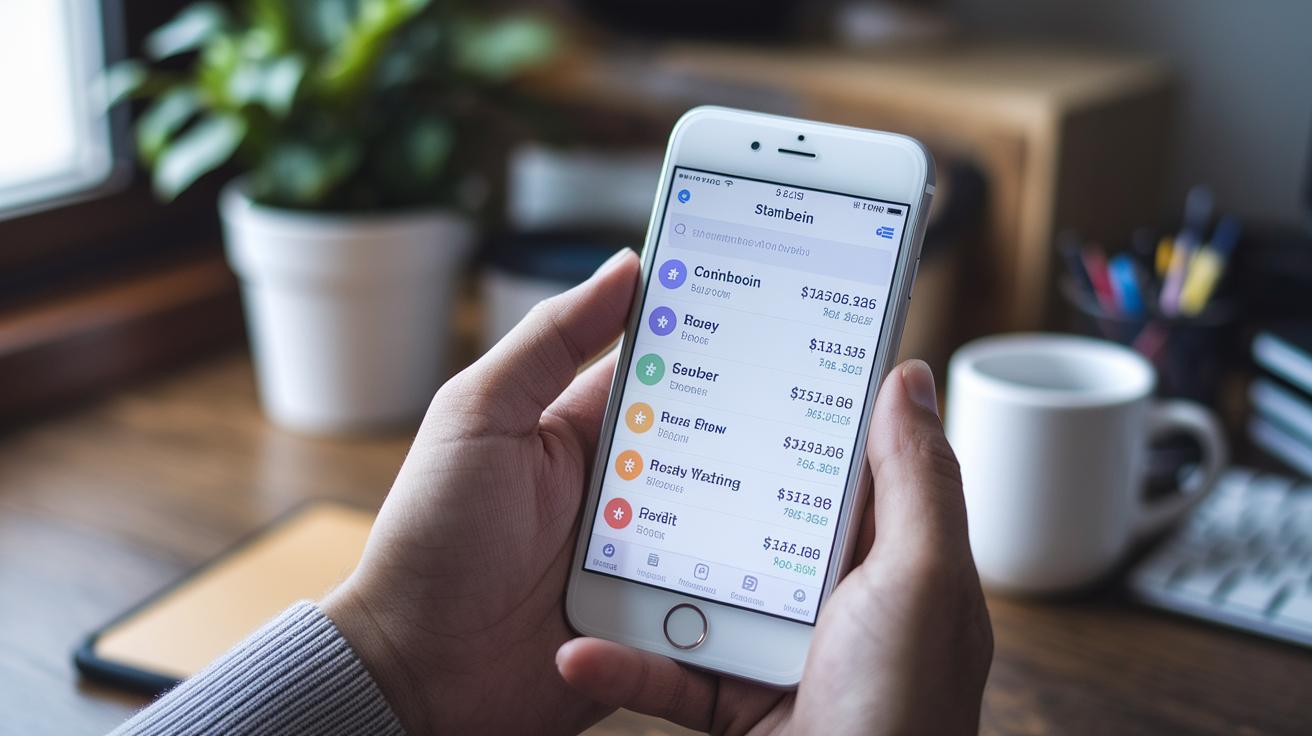
First, set up your Coinbase account and finish the quick verification. It’s as easy as using a bank transfer, debit card, or even a wire transfer to fund your account. Once everything’s ready, head to the stablecoin purchase section on the website, mobile app, or Coinbase Wallet. Imagine, "I just made my first deposit and buying stablecoins felt as smooth as a tap on my screen!" This process is designed to get you started without any annoying hurdles.
Next, pick the stablecoin you want, say USDC or another fiat-backed token. Coinbase’s clean layout even shows you competitive APYs in the rewards dashboard so you can decide if you want to stake eligible tokens. And if you’re a developer, the OnchainKit APIs let you add stablecoin transfers into your decentralized apps without digging into all that blockchain jargon. Picture it like this: "I set up a recurring stake on my coins while my app handled the transactions!"
Finally, always keep security in mind. Update your passwords regularly, use two-factor authentication, and store recovery keys in a safe, offline spot, kind of like treating your private keys as a cherished family heirloom. Taking these steps not only protects your stablecoin investments on Coinbase but also builds your long-term financial confidence.
Market Trends and Future Outlook for Coinbase Stablecoins
Coinbase stablecoins have been on a roll lately. They grew by 54% over the past year, and now more than 161 million people around the globe are holding these tokens. It’s like watching digital money earn its keep, people are starting to trust a currency that sticks closely to the value of regular money. This surge shows a clear move toward steadier and more reliable digital assets.
Every month, trading for these tokens is hitting hundreds of billions of dollars. And it’s not just everyday users getting involved; about 81% of small and midsize businesses that know about crypto are planning to adopt stablecoins. Even big names like Fortune 500 companies have shown triple the interest in recent times. This buzz from both retail buyers and big companies is pushing digital payments right into the heart of mainstream finance.
Looking ahead, the future for Coinbase stablecoins looks really promising. With ongoing upgrades in security and smoother transfers between wallets, these tokens are becoming easier for everyone to use. As more businesses start taking stablecoin payments, expect benefits like lower fees and clearer transaction records. In short, this growing market is building strong financial confidence and reshaping how money moves in our connected world.
Final Words
In the action, we unpacked how Coinbase stablecoins work, their fiat-peg mechanism, robust security measures, and audited collateral structure. We checked out the major tokens like USDC and saw how they power low-fee payments and staking benefits. We also brightened our view of the market trends, showing solid volume growth and expanding business interest. All these insights make coinbase stablecoins a sturdy option for secure, informed financial decisions.
FAQ
Coinbase stablecoins list
The Coinbase stablecoins list includes USDC and other tokens pegged to fiat currencies, offering users digital assets that maintain a steady value similar to the U.S. dollar.
Best Coinbase stablecoins
The best Coinbase stablecoins are those with strong backing and transparency, like USDC, which is widely trusted for its secure 1:1 peg with the U.S. dollar.
Stablecoins list
The stablecoins list on Coinbase features tokens designed to hold a consistent value by linking their worth to fiat currencies, providing ease and reliability in trading.
Examples of stablecoins
Examples of stablecoins include USDC, which is a fiat-backed token, alongside other similar tokens that seek to mirror the value of traditional currencies.
Stablecoin meaning
The stablecoin meaning is that these are crypto tokens engineered to keep a constant value by pegging them to assets like the U.S. dollar, reducing price swings.
What are two types of stablecoins
The two types of stablecoins are fiat-backed tokens, such as USDC, and algorithmic tokens that use smart contracts to manage and maintain their value.
How to buy stablecoins
How to buy stablecoins involves funding your Coinbase account using bank transfers, debit cards, or wires, then selecting and purchasing tokens like USDC directly in the app.
Is XRP a stablecoin
No, XRP is not a stablecoin because its value varies over time and does not have a consistent peg to a fiat currency.
Does Coinbase have a stablecoin?
Yes, Coinbase offers stablecoins such as USDC, which are designed to maintain a 1:1 relationship with the U.S. dollar for added predictability.
What is the top 5 stablecoin?
USDC is often ranked among the top stablecoins thanks to its robust backing, compliance standards, and wide acceptance in digital transactions.
Will Ripple stablecoin be available on Coinbase?
Ripple’s XRP remains a conventionally traded token and is not available in a stablecoin format on Coinbase.
What is the 12% yield on Coinbase USDC?
This yield refers to a promotional staking reward offered on select stablecoin options, allowing users to earn a return on their USDC holdings.


