Ever wondered if the market’s early moves can shape the entire day? Traders often keep an eye on signals coming from U.S. and Asian stock indexes right before the market opens.
These early hints, like small gains in S&P 500, Nasdaq, and Nikkei futures, offer a peek into a possible change in mood. It’s like noticing the first light of dawn and knowing the day might be sunny.
This post breaks down those early signals and explains what they might mean for your trading strategy. Curious to see if these early shifts could guide your moves? Let’s dive in and explore together.
Pre-Market Global Stock Futures Preview
Overnight moves in both U.S. and Asian futures are hinting at a bright start for the day. U.S. indexes like the S&P 500 and Nasdaq are climbing based on fresh pre-market numbers, while Asian indexes such as the Nikkei 225 and Hang Seng are also on the rise, looking forward to new economic news.
Traders are watching these changes closely. They’re checking live charts that show real-time profit and loss, giving them a quick snapshot of the market’s mood.
| Index | Change |
|---|---|
| S&P 500 futures | +15.5 points (+0.45%) |
| Nasdaq futures | +22.0 points (+0.70%) |
| Dow futures | +110.0 points (+0.35%) |
| FTSE 100 futures | +25.0 points (+0.60%) |
| DAX futures | +60.0 points (+0.75%) |
| Nikkei 225 futures | +140.0 points (+0.80%) |
| Hang Seng futures | +105.0 points (+0.50%) |
These upward trends aren’t just numbers on a screen. They offer a friendly nudge to adjust short-term trading plans. Live index updates give traders the chance to spot market momentum quickly, whether it’s setting stop losses or seizing fast profit opportunities. Watching these early moves helps investors fine-tune their risk and stay agile as the trading day unfolds.
Regional Futures Analysis: U.S., Europe & Asia
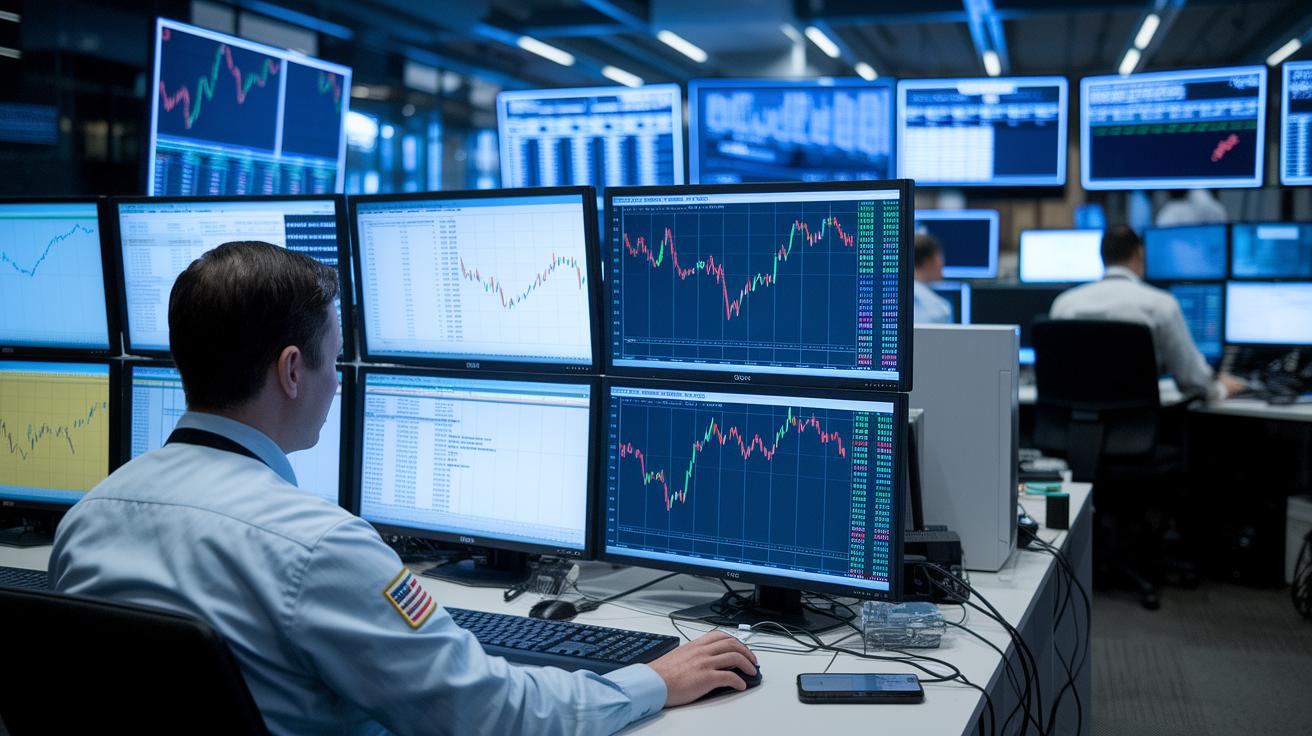
The U.S. E-mini S&P and Nasdaq futures are on a steady upward swing. If you check the charts, you'll spot fresh volume bursts and new support zones hinting at a possible breakout. And when you mix in short-term momentum signals, it adds an extra layer of insight driven by recent market chatter and selective news events.
Europe Futures
Over in Europe, futures like the Euro Stoxx 50, FTSE 100, and DAX are inching up moderately. The charts show clear resistance points that traders are eyeing. Recent policy tweaks and rate shifts have sparked technical setups that could change market vibes if key levels are surpassed, making these indices stand out from earlier overviews.
Asia Futures
In Asia, futures such as the Nikkei 225, Hang Seng, and ASX 200 are reacting to local policy changes. You might notice moving average convergences and other chart signals that catch the eye. Fresh domestic economic data is adding its own twist, meaning even a small news item could sway momentum, adding more layers to what we saw in previous forecasts.
| Region | Benchmark Futures | Overnight Change |
|---|---|---|
| U.S. | E-mini S&P | +15.5 points |
| Europe | FTSE 100 | +25.0 points |
| Asia | Hang Seng | +105.0 points |
global stock markets futures: Optimistic Pre-market Moves
When you fire up your trading terminal, you see charts with familiar tools like RSI, MACD, and the 20-day moving average. These handy tools give traders a quick peek at how the market is feeling before the day gets rolling. They help spot early hints of a shift in momentum. Imagine noticing your car's engine revving hard before you hit the freeway, it might be a sign to slow down a bit.
When indicators and prices disagree, it might be the market secretly whispering a reversal. Here are a few clues to keep an eye on:
- Divergence signals – Watch for differences between price movement and what the RSI or MACD are saying.
- Support/resistance in futures charts – Keep track of levels where prices have previously battled for footing.
- Volume-based confirmation – Look for spikes in trading volume that back up current moves.
- Option-implied volatility – Scan the option chain for hints about future price wobbles.
These signals are easy to integrate into your pre-market setup using the terminal’s charting tools. Adjust your stop-loss or fine-tune your entry based on what you see, so you’re all set for those quick moves when trading kicks off.
Macroeconomic & Geopolitical Drivers in Futures Markets
Traders are keeping a close eye on the U.S. CPI numbers and recent Fed comments as they get set for the trading day. Inflation data just came in while Powell confirmed a pause on rate changes. This news makes traders adjust their positions, mixing a note of optimism with a dash of caution.
- Powell’s hold on rates gives S&P futures a steady feel.
- China’s hints at oil purchases could boost energy-linked futures, hinting at a shift in commodity markets.
- Tesla’s robotaxi announcement is stirring up interest in tech futures, suggesting fresh growth.
- Reports of Israeli stocks rallying during Middle East ceasefire talks add a spark of hope to regional futures, easing geopolitical worries.
- And Trump’s comments on a full ceasefire between Israel and Iran might bring calmer market vibes across the globe.
These signals don’t work in isolation. U.S. economic trends set a base tone, while global events mix things up, affecting traders’ risk appetites. When live economic alerts pop up on a trading terminal, they let traders quickly tweak their strategies, whether that’s setting stop losses or arranging short-term trade setups.
Staying in tune with market news and economic calendar alerts gives traders near real-time clues to find the right moments for entering or exiting index futures. It’s not about one piece of data but about blending all these signals to shape a smart trading plan for the day ahead.
Strategies & Risk Management for Global Futures Trading
Balancing your trades can feel a bit like planning a road trip, you need to know exactly how much fuel (or in this case, money) you're willing to risk. When you get clear on your risk, it’s easier to keep your trading portfolio steady. Tools like margin calculators show you, in a snap, how much leverage is safe to use. And a quick payoff analysis helps you pick the right position size based on your own comfort with risk. This practical, no-nonsense approach works great for traders who face market ups and downs head on.
- Momentum breakout entries – Watch for clear price moves that hint futures might speed up.
- Spread trades across regional futures – Mix your trades in different markets to even out any wild swings.
- Hedging with E-mini options – Use options strategies to protect your positions if things turn rough.
- Systematic pre-market order placement – Set your orders before the market opens so you're ready from the get-go.
The advanced trading terminal is like your personal control center. It tracks orders, manages your portfolio, and even handles API-driven trades all in one smooth dashboard. This setup makes it simple to manage positions in real time, turning even complex risk checks into a straightforward process. By using these risk management methods alongside smart tools, you can tweak your strategy throughout the trading day with confidence.
Tools & Platforms for Real-Time Futures Monitoring
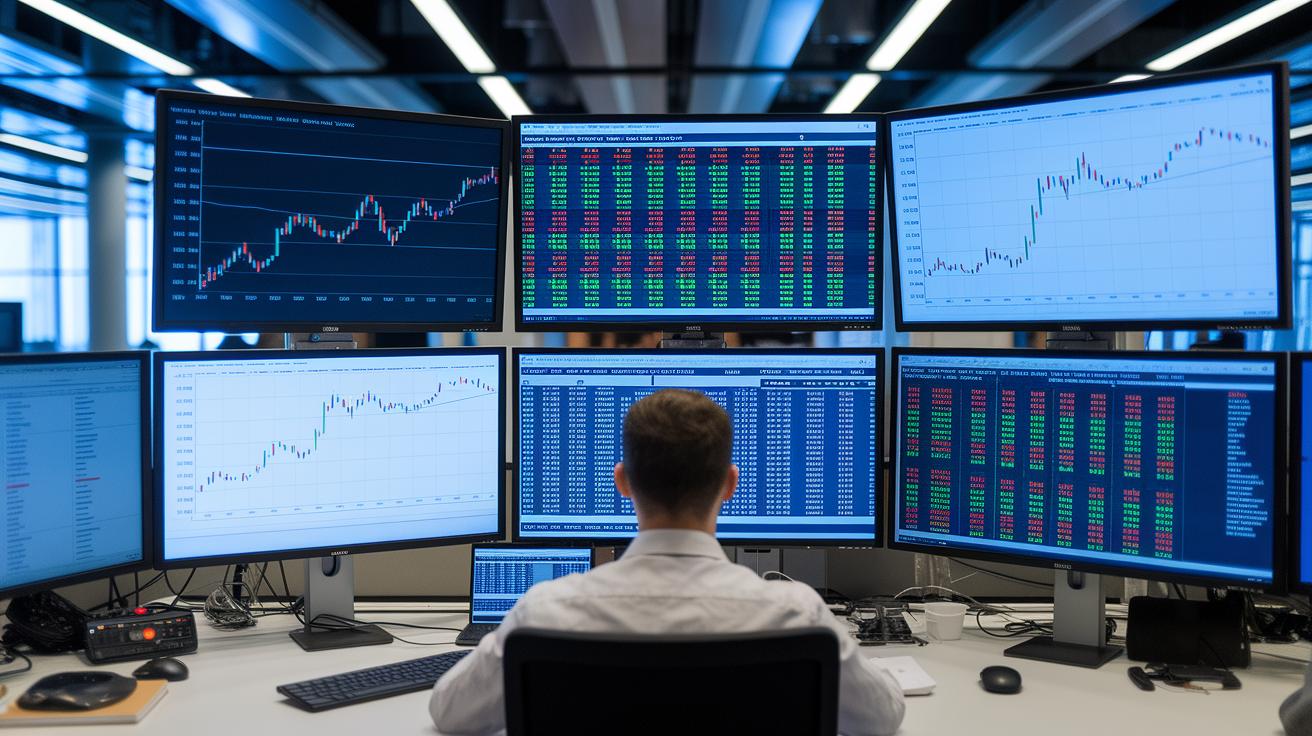
Traders often use different platforms to keep up with how quickly markets change. One choice is a broker terminal that puts together charts, live news, and order tracking in one handy dashboard. Then there’s an independent analytics service that focuses on detailed charting, custom watchlists, and real-time alerts, perfect if you love diving deep into visuals over just speed. And if you’re tech-savvy, an API-first solution gives you programmable access, automated trading, and dashboards you can tailor just for you. Each platform offers its own perks, letting you find the right blend for keeping up with real-time market shifts and varied trading insights.
| Platform | Key Features | Asset Coverage | API Support |
|---|---|---|---|
| Broker Terminal | Consolidated charts, live news, order tracking | Stocks, ETFs, futures | Limited |
| Independent Analytics | Advanced charting, watchlists, real-time alerts | Global markets | None |
| API-First Solution | Automated trading, custom dashboards | Multiple asset classes | Full |
It’s all about choosing tools that fit how you work and trade. If you need a lot of customization and programmatic trading, the API-first route might be your best bet. But if you prefer an all-in-one look, then a broker terminal or independent analytics service could be the way to go.
Final Words
In the action, we explored real-time market moves and pre-market data for major indices, showing how live index updates and key trends influence trading decisions. We covered technical signals, risk strategies, and platform tools that help translate macroeconomic events into actionable daily strategies. The discussion provided clear insights into global stock markets futures and practical tactics for smart trade management. Keep an eye on these signals as they guide you toward a more confident and informed trading approach.
FAQ
Q: What do global stock markets futures for tomorrow indicate?
A: Global stock markets futures for tomorrow indicate early expectations for market openings based on overnight developments and trend signals from key indices.
Q: How are global stock markets futures tracked in real time?
A: Global stock markets futures tracked in real time deliver live pricing, performance metrics, and instant updates, letting traders quickly adjust their strategies before the open.
Q: What does a global stock markets futures chart reveal?
A: A global stock markets futures chart reveals visual trends, price movements, and percentage changes, helping you spot momentum and gauge market sentiment clearly.
Q: Where can I find global stock markets futures updates on major sites?
A: Global stock markets futures updates appear on popular platforms like Yahoo and CNN, where live data, charts, and market commentary keep you informed.
Q: How do Nasdaq futures help understand market trends?
A: Nasdaq futures help you gauge future movements in tech-driven indices by reflecting investor sentiment and potential shifts in the technology sector.
Q: Is the futures market open and what does it mean for stock index futures?
A: The futures market is generally open around the clock, which means stock index futures continuously reflect global economic news and help traders plan around the ongoing data flow.
Q: What are the next equity index futures and what do they imply for the market?
A: The next equity index futures imply upcoming moves in major indices by offering early clues about market directions, assisting traders in short-term decision-making.


