Have you ever wondered if your money could help build a better community? Putting funds into local projects can spark positive changes, like creating more affordable housing or boosting small businesses.
Think of community investment as a way to mix profit with purpose. This strategy not only helps improve neighborhoods but can also bring you financial rewards. It turns every dollar into a tool for both economic growth and local progress.
Let’s break it down: by investing in projects close to home, you’re making your money work twice as hard, helping your community thrive while potentially earning gains.
Key community investment strategies for social impact and sustainable growth
Community investment strategies mix making money with doing good for people. By putting funds into local projects, like the 154-unit affordable housing in Morganville or the 82-unit project in Moorestown, these investments help meet essential housing needs while also aiming for financial returns. It’s like turning dollars into a tool that builds better neighborhoods.
This approach really hits two birds with one stone. Think about it: funds fuel local projects with real energy, and smart funding methods, like those used in a pioneering townhome project in Haddonfield, create new ways to boost both the economy and the community. In truth, community investments open doors to fresh money sources that keep reinvesting in neighborhood projects, paving the way for steady, long-term development and a brighter future for residents.
- Local capital mobilization initiatives
- Public-private partnership structures
- Community asset-building programs
- Case study–led investment models
- Sustainable finance mechanisms
These strategies do more than just fill a bank account, they kick-start a cycle of growth and resilience. By aligning economic plans with community needs, they not only improve housing and infrastructure but also support ongoing social projects, helping communities thrive now and in the years to come.
Mobilizing local capital with community reinvestment models

Public-private partnerships for infrastructure
City governments and developers join forces using shared funding models that smooth out red tape and secure money quickly. For example, the Moorestown project used flexible rules to pull together $9 million in HMFA funds, showing that when public insight meets private cash, everyone wins.
Community reinvestment trusts
Local deposits can be pooled through trust structures that let communities invest their own savings in housing and business projects. It’s like having a community savings jar that fuels local growth, similar to what happened with affordable leasing in Morganville, tailored to serve everyday needs rather than just echoing past examples.
Local capital development initiatives
By using tools like municipal bonds, revolving loan funds, and state grants, communities build a steady stream of local capital. When investors and local leaders come together in this way, they create a reliable funding source that not only bumps up cash reserves but also supports long-term, sustainable community growth.
Community investment strategies fuel local growth
Local groups and residents are rolling up their sleeves and putting money and ideas to work right in their neighborhoods. They’re launching small fundraising drives and sharing ownership in key community projects, picture a cozy neighborhood bake sale where every dollar adds up to something big.
Nonprofit partners are also in the mix, teaming up with local leaders to pick projects that really hit home. They offer trusted advice so that the money goes to projects making a real difference. It’s like having a knowledgeable friend who guides you toward the best opportunities.
Even more, residents get to have a say in where the money goes. Simple methods like community voting and regular check-ins mean that local voices directly shape the most important projects. This way, every bit of investment creates a ripple effect of benefits throughout the neighborhood.
Sustainable community finance and socially responsible local investing
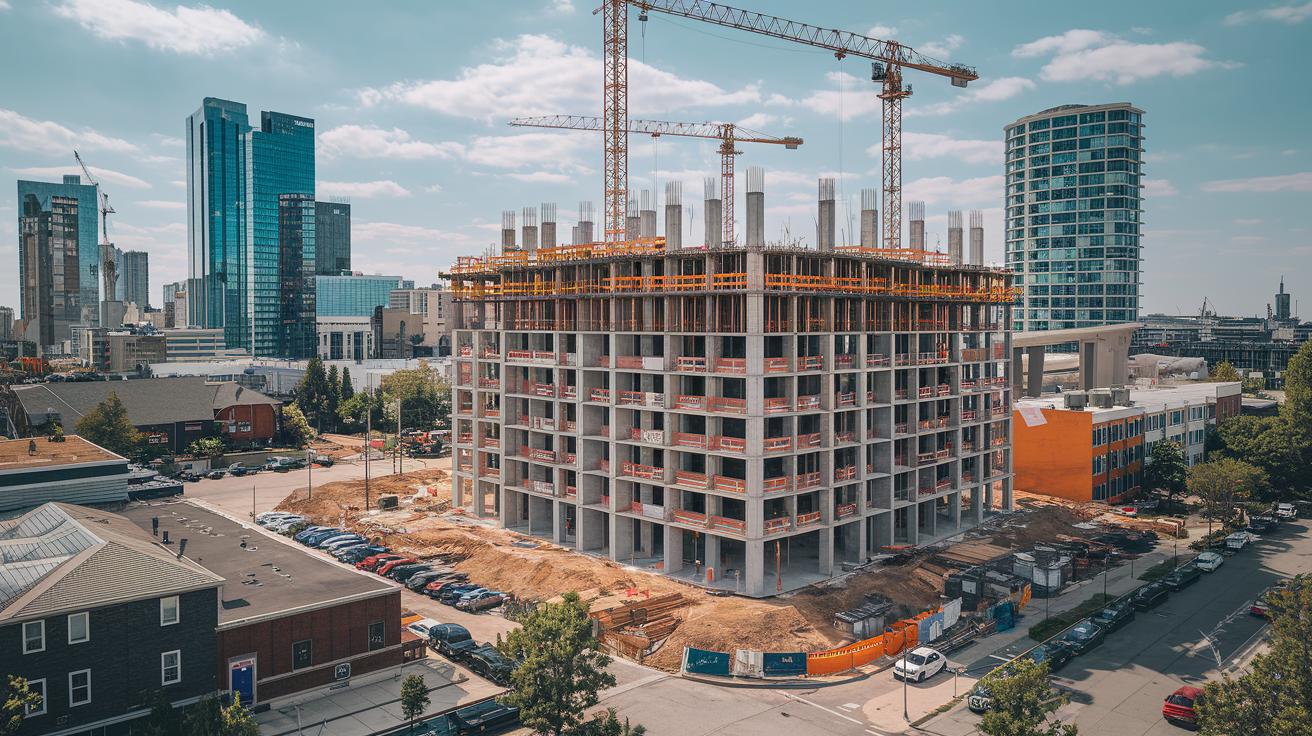
Green bonds, CDFIs, and social impact funds are practical tools for putting money into projects that benefit both local communities and investors. Green bonds help pay for eco-friendly buildings, energy upgrades, and cleaner technology, all while making sure environmental gains go hand in hand with fiscal goals. CDFIs lend a trusted hand by getting funds into areas that traditional banks might overlook, and social impact funds invest in projects meant to boost community well-being. It’s like putting your money exactly where it counts.
Mixing residential and commercial investments can really strengthen a local economy over time. Take CIS’s recent projects: a 300,000 square foot warehouse expansion, a $31 million warehouse buy, a 98-unit oceanfront apartment sale near Asbury Park, and a 295-unit development in Wood-Ridge. Combining housing with commercial ventures creates multiple income streams and spreads risk, all while meeting community needs. It shows that smart investing isn’t just about returns but also about making a real difference in neighborhoods.
Case studies showcasing strategic local investments
Let’s take a look at some real examples of local projects making a real difference in neighborhoods. Each project brings together different funding methods and timelines to help create a stronger community. Picture this: a community turning a 169-unit building into a lively, thriving neighborhood, much like the Portside II project in Elizabeth.
| Project | Location | Units | Funding Source | Groundbreaking Year |
|---|---|---|---|---|
| Hoboken Senior Affordable Housing | Hoboken | Unknown | Public/Private Collaboration | 2025 |
| Morganville Affordable Leasing | Morganville | 154 | Local Investment | N/A |
| Moorestown 82-Unit Development | Moorestown | 82 | $9 Million HMFA | N/A |
| Haddonfield Townhome Community | Haddonfield | 20 | Community Funds | N/A |
| Monmouth County Senior Complex | Monmouth County | 93 | Local and Resilient Financing | N/A |
| Portside II Rehabilitation | Elizabeth | 169 | HOPE VI Initiative | 2006 |
Each one of these projects shows that mixing funding types – from public funds and private investments to local community cash – can work wonders. Whether it’s Hoboken’s upcoming senior housing project or the earlier Portside II rehabilitation, they all prove that pooling resources and ideas can spark neighborhood growth. It’s like piecing together a puzzle; every little part, from small townhomes to bigger redevelopment programs, adds strength and resilience to the community.
Performance metrics and community impact evaluation

CIS keeps a close eye on the numbers to steer its investments. They look at how much capital they put to work, count each unit delivered, and track where every dollar comes from. For example, one project hit over 90 percent occupancy in its first 12 months. That’s a clear sign their plans work. They also check returns by looking at rental income and how quickly projects start making a difference. It’s like ticking boxes on a checklist: funds, units, and timelines all come together to signal smart economic planning.
But it’s not just about the figures. CIS also values the stories behind these numbers. Resident feedback plays a big part. Imagine a community member saying, “My neighborhood feels more connected now because of these projects.” Local business growth and new partnerships add another layer. They show that these investments do more than boost profits, they help build a thriving community. Through regular surveys and community assessments, CIS makes sure every project supports both financial success and a vibrant local neighborhood.
Action steps for investors in neighborhood wealth planning
If you're an investor looking to make a real impact on local neighborhood wealth, there are several smart, hands-on moves you can take. Research from successful CIS projects shows that using tax-credit programs and teaming up with nonprofits really works. These steps help you keep cash flowing and make sure the right projects get backed.
First off, take a good look at local market trends and what the community needs. Investors have seen how community-driven projects, those broken into manageable phases with clear planning, build lasting social benefits. It’s like a ripple in a pond; thoughtful actions today can spark positive change across the neighborhood later on.
- Do a local market analysis and map out key community players
- Connect with town leaders and nonprofit partners
- Combine different types of funding, think grants, loans, tax credits
- Try out a small project first to see how things work
- Set up systems to track how things are going and gather feedback
Looking forward, following these steps can lay a solid foundation for more neighborhood growth. Investors who stick to this plan do more than just back local development, they help create lively, thriving communities. By focusing on what each community truly needs and keeping an eye on progress, every project can add to a local economy that's both strong and vibrant.
Potential risks and mitigation in community investment portfolios

Community investment projects can sometimes run into bumps along the way. For example, they might face long approval periods, extra regulatory checks, or even unexpected changes in leasing prices, especially in popular oceanfront spots like Asbury Park. This can lead to funding challenges and market swings that throw project plans into disarray. So, it’s smart to build in extra time and keep the lines of communication open with local officials.
One good strategy is to spread your investments across different projects and funding sources. Doing so is a bit like not putting all your eggs in one basket, it helps cushion the impact if one area faces a setback. By keeping project schedules flexible and forging strong relationships with community partners, you create a safety net that can absorb market fluctuations. In truth, this proactive approach not only helps deal with budget gaps and delays but also builds a more resilient, stable neighborhood over the long haul.
Final Words
In the action, the article highlighted key steps such as local capital mobilization, grassroots funding, and sustainable community finance. It showcased real-life project examples and practical action plans that empower local investments.
These community investment strategies offer a bridge between financial returns and social benefits. They also provide actionable insights for investors ready to boost neighborhood growth and strengthen local economies. The journey ahead looks promising and full of potential for lasting impact.
FAQ
What are community investment strategies in Lawrenceville, NJ?
Community investment strategies in Lawrenceville, NJ combine local funds with social goals to support affordable housing and neighborhood growth through public-private partnerships and active local engagement.
What do reviews say about Community Investment Strategies?
Reviews indicate that Community Investment Strategies delivers strong, community-driven projects by blending financial returns with local benefits, earning praise for effective project management and sustainable community development.
How can I connect with Community Investment Strategies and CIS Management on LinkedIn?
Community Investment Strategies and CIS Management maintain active LinkedIn pages that offer updates on project milestones, industry insights, and community-focused initiatives for interested followers.
What services do CIS Management and its property management offer?
CIS Management oversees the operations of community projects, offering comprehensive property management that ensures high-quality housing, proactive maintenance, and responsive local support.
What are some key residential projects from Community Investment Strategies?
Projects like Toms River Crescent, Windsor Crescent, Heritage Village at Ocean, Heritage Village At Seabreeze, Heritage Village at Oakhurst, and The Place at Plainsboro Apartments showcase CIS’s commitment to accessible, community-oriented housing developments.


