
Ever wonder if just a few numbers could tell us how strong our economy really is? When you hear about GDP growth, unemployment rates, and rising retail sales, it’s like getting a quick peek at our system’s pulse, just like checking your heartbeat to see if everything’s running smoothly.
Let’s break it down together. These numbers are known as leading, coincident, and lagging indicators. In simple terms, imagine them as hints that help us understand what’s happening now, what might come next, and what has already passed. Have you ever noticed how a small change in one of these numbers can make a big difference?
Understanding these clues isn’t just about crunching figures, it helps us see the bigger picture of our economy and what it means for all of us.
Key Economic Indicators: Economy Shows Strength
Economic indicators are like little snapshots that tell us how our economy is doing. They give a quick look at things like how much stuff is being made, how many people have jobs, the way prices are shifting, what’s happening in factories, and how much money consumers are spending.
We group these signals into three types. Leading indicators offer early clues about future changes. Coincident indicators show what's happening right now, and lagging indicators confirm trends after they've taken shape.
- GDP: This shows the total value of goods and services produced. Think of it as a snapshot of the economy’s overall size.
- Unemployment Rate: This tells us what percentage of people are actively looking for work, giving us a feel for the labor market.
- Inflation Indexes: These track how prices are changing day by day to help us see shifts in the cost of living.
- Industrial Production: This measures how much output factories are churning out, which hints at the manufacturing sector's health.
- Retail Sales: This monitors consumer spending patterns, a major driver of economic activity.
Tracking these numbers regularly is important for everyone, from government decision-makers trying to adjust policies to investors spotting opportunities and managing risks. It’s like checking your pulse to know if everything is running smoothly.
GDP Growth Measurement as a Core Economic Indicator

GDP is like the heartbeat of an economy, it adds up all goods and services made over a set period. This number helps us understand how well the economy is doing and guides decisions for policies and investments. In 2023, real GDP jumped by 3.1%, the quickest bounce-back among G7 nations after the pandemic.
Real vs. Nominal GDP
Real GDP takes inflation into account, so it shows changes in how much we can actually buy. Imagine if prices rise but production stays the same, the basic numbers might hint at growth, but our buying power hasn’t really improved. By adjusting for these changes, real GDP gives a truer picture of how the economy is truly performing over time.
Calculation Methods and Data Sources
To figure out GDP, the Bureau of Economic Analysis uses three main methods. First, there’s the output approach, which adds up the value created by different industries, from factories to service sectors. Next, the expenditure approach totals spending from consumers, businesses, and the government, shedding light on what drives demand. Lastly, the income approach sums incomes from wages and profits, showing the benefits flowing to workers and companies. These figures are updated every quarter, so we get fresh insights into shifts and trends.
All this growth in GDP isn’t just a number, it reflects more money in people’s pockets and stronger buying power. It shows an economy that’s not just growing but also holding strong against challenges.
Economic Inflation Gauges and Price Stability Measures
The Consumer Price Index shows us how general prices are rising for people living in cities. Every month, the Bureau of Labor Statistics gathers prices on everyday items to give us a glimpse into cost trends. So when you see a quick jump in CPI numbers, it means that regular goods are costing more, which can really pinch household budgets.
The Personal Consumption Expenditures index is another way to track inflation. Created by the Bureau of Economic Analysis, it covers a wider range of spending and even adjusts for changes in shopping habits over time. This broader look helps us understand the full picture of rising prices.
Central banks keep a close watch on both the CPI and the PCE. When these numbers surge, policy makers might raise interest rates to slow down spending and keep prices stable. But if inflation stays low or starts dropping, they could lower rates to encourage borrowing and spending. This careful balancing act is key to maintaining price stability and a healthy economy.
Economic Employment Rate Statistics and Labor Market Dynamics
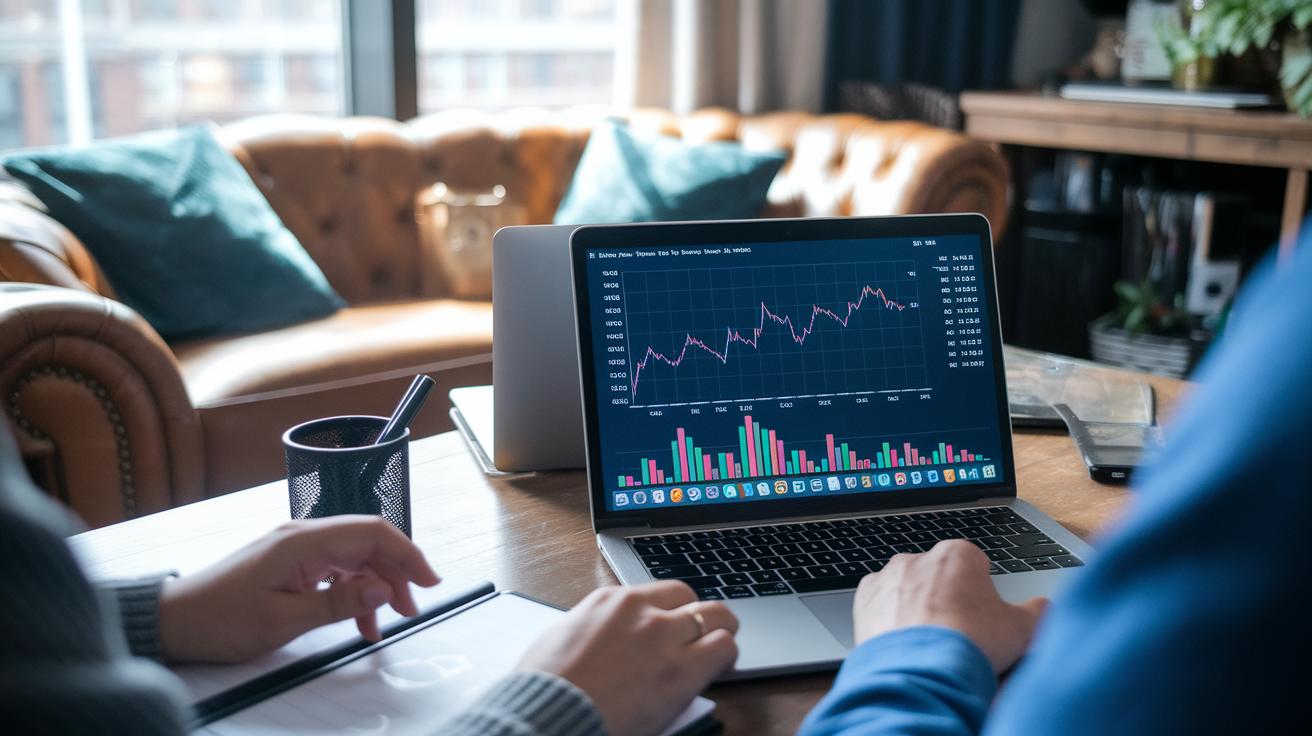
The labor market is like a steady pulse that lets us know how the economy is feeling. Every month, fresh numbers give us clues about hiring trends and wage updates that shape the bigger picture.
Unemployment Rate Trends
The monthly figures from the Bureau of Labor Statistics show that the national unemployment rate has stayed impressively low, consistently under 4% since December 2021. This steady performance tells us the job market is doing quite well. When you dig a bit deeper, you'll notice that groups like Black and disabled workers have reached record-low unemployment rates, suggesting that the rebound is becoming more inclusive.
Payroll and Job Growth Data
Data on nonfarm payrolls paints a clear picture of job creation. Nearly 22 million jobs that vanished during the COVID-19 downturn made a comeback by June 2022. Then by January 2024, an extra 5 million jobs were added, exceeding pre-pandemic expectations by about 2.7 million. These figures show just how resilient the job market can be, even when times are tough.
Wage growth that beats inflation has been a key factor, too. When workers see real gains in their earnings, their purchasing power increases, boosting consumer spending and fueling a healthy overall economy. Isn't it fascinating how a little extra on a paycheck can ripple out into stronger economic activity?
Economic Consumer Spending Patterns and Retail Sales Evidence
Consumer spending is the powerhouse behind roughly two-thirds of the U.S. economy. It shows what people are willing to pay for everyday stuff and helps fuel growth. Analysts track these spending trends by looking at income and outlays in reports like Personal Income and Outlays. This tells us whether consumers feel confident enough to spend more, which in turn helps businesses keep moving forward.
Retail sales give us another clear snapshot by zooming into specific spending areas. The Census Bureau breaks down what people buy in various sectors, so we can see exactly where the money is going each cycle. Rising real wages, money earned after adjusting for inflation, boost buying power, meaning that even as prices go up, higher incomes help keep demand strong. When people choose to spend more or less, it directly impacts both neighborhood shops and large retail chains.
| Sector | Key Detail |
|---|---|
| Department stores | Everyday shopping centers where bulk purchases happen |
| Auto dealers | Indicators of durable goods demand through car purchases and financing |
| Furniture | High-cost items that reflect confidence in home improvements |
| Food services | Daily spending that keeps overall consumption lively |
Intriguing, isn’t it? Each shift in spending is like a small ripple in a vast ocean, touching every part of the economy in a very human way.
Economic Industrial Production Analysis and Manufacturing Output Data
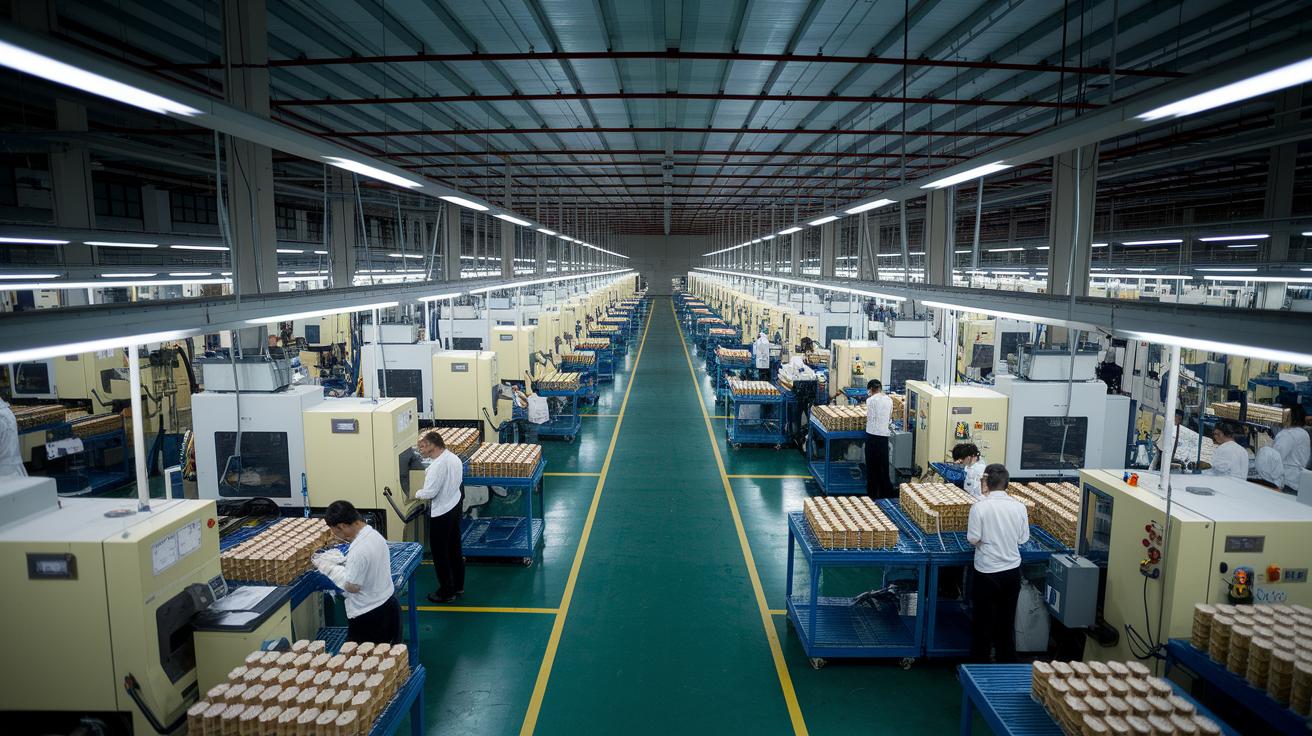
The Federal Reserve’s Industrial Production Index is like a pulse check on our factories, mines, and utilities. It tells us how much these key sectors are producing. Every time it gets released, it gives us a quick look at how busy industries are, like showing manufacturing output numbers and hints at capacity use. Lately, we’ve seen private manufacturing spending go up, thanks to moves like the Infrastructure Investment and Jobs Act. These figures help policymakers figure out if factories are running at full tilt or if things are slowing down, hinting whether the market is heating up or cooling off.
Regular updates from this index keep us in the loop about shifts in production. When capacity utilization is high, it means factories are humming along efficiently. But if these numbers dip, it might mean growth is easing a bit. Recent moves, including the CHIPS and Science Act, have given a boost to manufacturing activity, underscoring just how useful this output data is when trying to read economic cycles. These insights really help guide timely decisions in the economy.
Economic Trade Balance Figures and Global Market Comparisons
The U.S. trade balance shows the difference between what the country sells to others and what it buys. Recent Census data reveals that the U.S. has a consistent goods deficit, about $X billion, but it balances part of that with a surplus in services like insurance, finance, and tourism. In simple terms, although America buys more physical products than it sells, it makes up for some of that loss with extra service income. This mix can even affect the value of the dollar and hints at a cautious outlook for domestic growth.
When we look at other countries, we see a variety of trends. Some nations might struggle with deficits in both goods and services, while others post a strong surplus in goods. These differences give us important clues about each country’s competitive standing and help explain how global trade flows shape overall economic health. Isn’t it fascinating how different trade balances can tell such unique stories about economic strength?
Leading, Coincident, and Lagging Economic Indicators as Market Measures
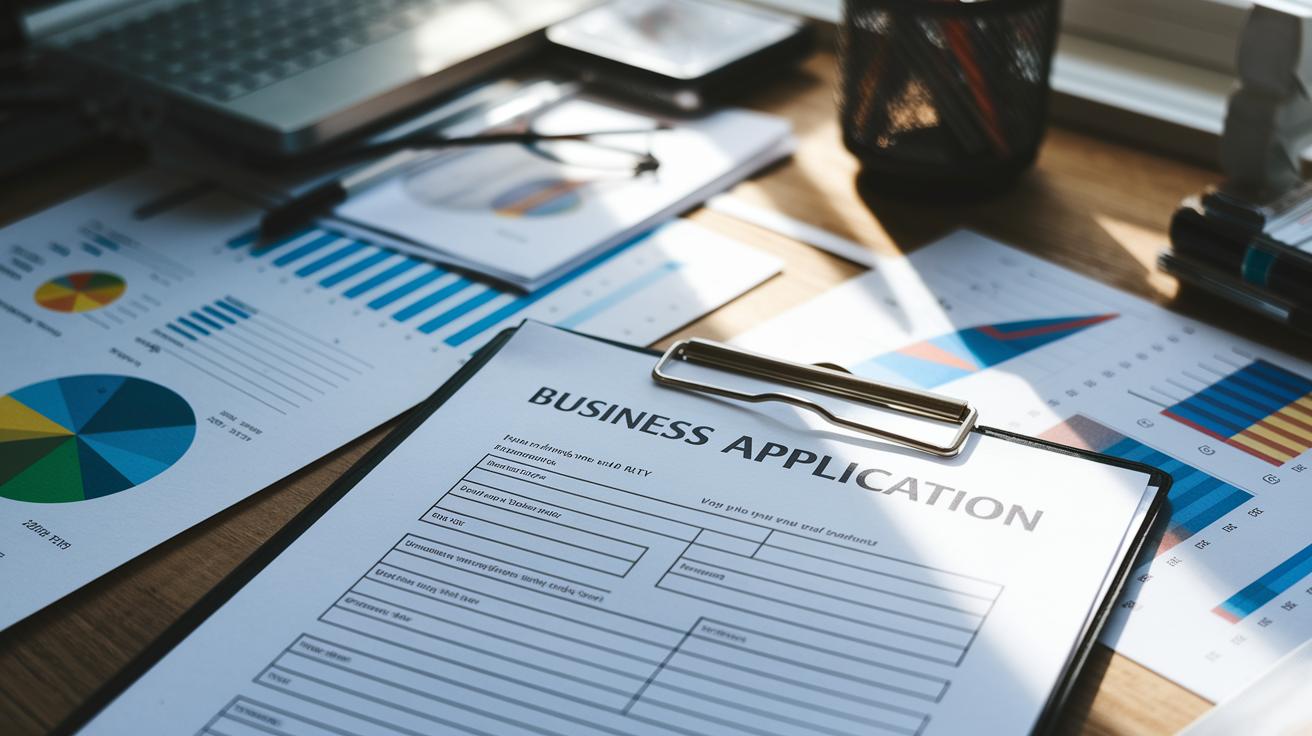
We already chatted about how timing plays a role with these indicators. In real life, mixing them together can really help guide our financial moves. For instance, when the economy is bouncing back from a slowdown, a jump in new business applications (a leading indicator that signals what might come next) can hint that job numbers will soon climb too. Later on, when consumer prices settle (a lagging indicator that confirms these trends), you see that the trend was in motion all along.
In fact, back in the spring of 2020, a short spike in new business licenses hinted at a faster recovery, which was later confirmed by a boost in employment figures. This clear connection helps analysts spot market shifts, adjust investment approaches, and tweak policy responses as conditions change, much like noticing an unexpected rise in tech stocks that could mark a broader economic rebound.
By combining these different types of indicators, we create a dynamic picture that goes well beyond simple definitions. It gives us practical, real-world insight into how market trends truly work.
| Indicator Type | Example Indicators |
|---|---|
| Leading | Stock market performance, new business applications |
| Coincident | GDP, unemployment rate |
| Lagging | CPI, interest rate changes |
Final Words
In the action, we saw economic indicators shine a light on our economy. The article broke down simple measures like GDP, inflation, employment shifts, consumer spending, industrial output, and trade balances to show how numbers turn into clear signals.
Each section made these ideas relatable, explaining how data informs market trends and guides choices. It’s a reminder that checking key economic indicators can help shape smart financial moves and keep us on track for a brighter tomorrow.
FAQ
What are the key economic indicators and examples?
The key economic indicators include GDP, unemployment rate, inflation indexes like CPI, industrial production, and retail sales. These indicators help measure output, labor market health, price levels, production, and consumer spending.
How can I access current economic indicator data?
The current economic indicator data is offered by agencies such as the Bureau of Economic Analysis and the Bureau of Labor Statistics. Their reports and downloadable PDFs provide frequent updates on economic conditions.


