What are economic indicators? Think of them as quick snapshots that show how our economy is doing, just like you might check a thermometer to see if you have a fever.
These simple numbers are gathered from surveys, records, and official reports, giving you a real-time look at the trends. They guide investors and business owners, helping them decide whether to heat things up or cool them down. In short, this article will walk you through what these indicators are and why they matter for keeping track of our economic pulse.
What are Economic Indicators: Clear Overview
Think of an economic indicator as a handy number that shows how our economy is doing, kind of like checking your temperature with a thermometer. These figures can tell us if things are heating up or cooling down. They’re collected using surveys, censuses, or official records by government bodies, universities, or other groups.
When you notice that consumer spending rises steadily, it’s like a snapshot of the economy gaining energy. These numbers help spot trends, confirm patterns from the past, or show where we currently stand. It’s pretty similar to how a pilot relies on instruments to navigate through different weather conditions.
Investors, policy makers, and business owners use these indicators to make smarter decisions. For example, a company might look at a monthly unemployment report to decide if it’s the right time to grow their operations. In truth, these metrics act as simple tools that guide us through the ups and downs of economic life.
Types of Economic Indicators Explained

Economic indicators come in three main types, and each one helps us see how the economy works from a different perspective. They show us hints about what might happen, what’s occurring right now, and what has already happened. By looking at these indicators, analysts can get a good sense of the overall health of the economy.
Leading Economic Indicators
Leading indicators act like early warning signs for future changes in the economy. They include things like jobless claims and consumer surveys, where people share their thoughts about spending and personal finances. For example, if consumer confidence suddenly drops, it might mean that spending could slow down soon, just like spotting dark clouds before a rainstorm.
Coincident Economic Indicators
Coincident indicators give us a real-time snapshot of the economy. They track data points like industrial output, personal income, and retail sales. These numbers tell us exactly what is happening right now, whether things are active or a bit sluggish. It’s like taking a snapshot of the economy at a single moment in time.
Lagging Economic Indicators
Lagging indicators help confirm trends that have already happened. They look back at things like GDP and unemployment rates to show us the outcomes of earlier economic shifts. For instance, if GDP growth slows and unemployment goes up, it confirms that an economic downturn was occurring.
| Type | Timing | Examples |
|---|---|---|
| Leading | Predict future movements | Consumer confidence, jobless claims |
| Coincident | Reflect current conditions | Industrial output, retail sales |
| Lagging | Confirm past trends | GDP, unemployment rates |
Key Economic Indicator Samples and Their Insights
Ever wondered how we get a quick read on a country's economic health? There are eight key indicators that work like friendly signposts, giving us a clear idea of market shifts and overall stability.
- GDP looks at the energy of an economy by measuring all the goods and services produced, adjusted for inflation. Think of it as checking the pulse of a giant, busy machine.
- The Consumer Price Index (CPI) keeps tabs on how prices for everyday items change over time. When prices steadily tick up, it’s a bit like noticing your grocery bill slowly rising.
- The Producer Price Index (PPI) shows us the average price producers receive at the wholesale level. It can offer early hints about trends that might eventually affect what you pay in stores.
- The Unemployment Rate, updated every month by the BLS, tells the story of job gains and losses. It serves as a clear snapshot of the job market, much like checking a small business report.
- The Consumer Confidence Index gauges how households feel about the economy and their personal financial situation. A sudden change here might suggest shifts in how people plan to spend or save.
- Retail Sales data offers a window into consumer spending habits across various sectors, acting as a trusty guide to overall business performance and market mood.
- Housing Starts count how many new residential building projects kick off each month. If builders are busy, it could be a sign that economic growth is on the horizon.
- Federal Interest Rates, set by the Federal Reserve, determine borrowing costs for consumers and businesses. These rates shape everything from home loans to business investments, influencing the overall economic vibe.
Each of these indicators plays a crucial role in guiding investors and decision makers. Whether it’s a shift in GDP or the Unemployment Rate signaling a need for policy tweaks, or changes in Retail Sales hinting at a new consumer trend, these numbers help us decide when the economy is heating up or cooling down. Isn't it fascinating how a few key figures can tell such a big story about our financial future?
How Economic Indicators Are Measured and Collected
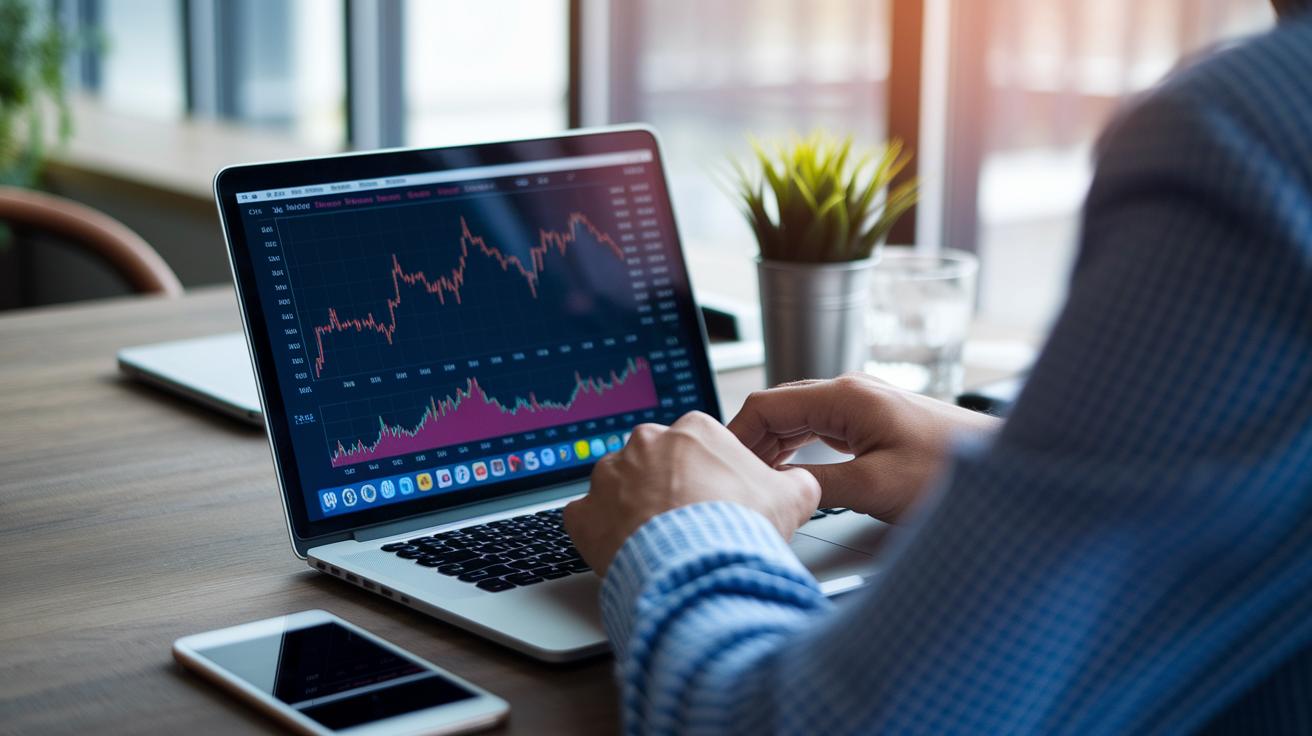
Both government agencies and private organizations roll up their sleeves to collect economic data using a mix of hands-on methods. They rely on surveys, censuses, and administrative records. For instance, surveys like those behind the PMI ask businesses about production and new orders to capture real-time insights. Censuses serve up broad snapshots of the economy at intervals, while administrative records offer an ongoing look at economic transactions. Together, these methods help paint an accurate picture of the economy’s health.
Different indicators are measured in different ways. The Consumer Price Index, for example, uses a basket of goods and services, kind of like keeping track of your regular shopping list, to monitor price changes over time. Meanwhile, GDP numbers come from adding up expenditures or incomes to cover all production in the economy. Monthly and quarterly reports, along with seasonal tweaks and periodic updates, keep this data fresh and reliable, giving everyone a steady view of how the nation’s economy is performing.
Using Economic Indicators for Forecasting and Analysis
Economists often use tried-and-true models to predict changes in our economy. They mix different pieces of data using methods like time-series regression, which simply means they watch how numbers change over time. These models dig into past data to spot new patterns and confirm familiar trends.
For example, if consumer confidence slips just a bit today, it might be a sign that growth will slow down in the near future. It’s a bit like noticing a small drop in temperature before the weather really shifts. With these insights, professionals can estimate GDP growth, assess the risk of a slump, and plan ahead using solid, data-backed facts.
Another handy tool is the use of dashboards and visualization techniques that show economic indicators in real time. Imagine your car’s dashboard, where you can quickly check your speed, fuel level, and engine temperature all at once. Similarly, these financial dashboards pull together numbers on industrial output, jobless claims, and retail sales into one clear view. This snapshot helps decision makers get a fast, clear picture of how the economy is doing and spot early warning signals. When all these data points align, they offer a strong guide for adjusting investment strategies and policy choices, making it easier to navigate through the ups and downs of economic shifts.
Interpreting Economic Indicators: Best Practices and Pitfalls
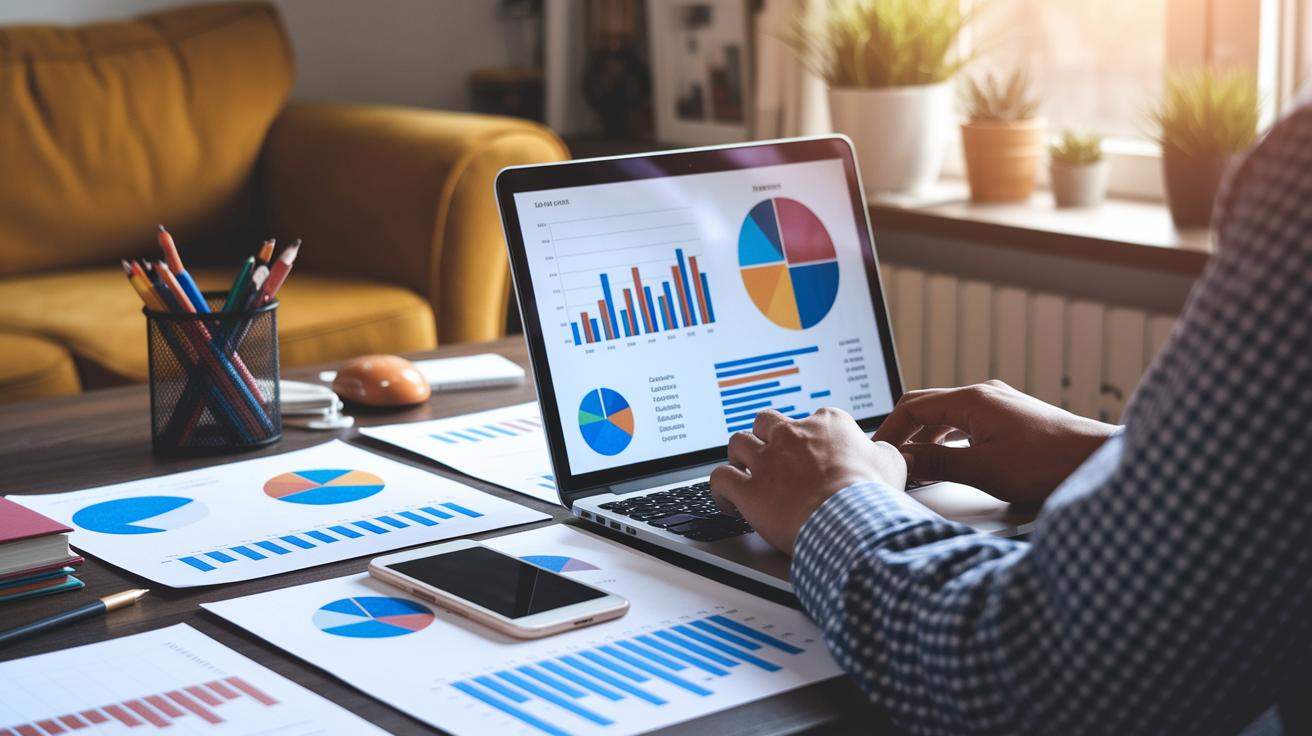
When you’re looking at economic indicators, it helps to gather information from different corners. Instead of trusting just one number, try checking several sources together, it’s like piecing together a puzzle. Notice regular patterns, like seasonal changes, which can show if a shift is just part of the usual cycle or something more serious. And don’t forget to watch for updates after initial reports, as these revisions can tweak earlier figures. By lining up many indicators, you get a clearer view of long-term trends and can see how today’s numbers might shape tomorrow’s economy. For example, looking at a mix of job data, retail sales, and inflation gives you a fuller picture of how the economy is doing.
Some traps to avoid include getting too worked up about one indicator or mistaking a connection between two numbers as a cause-and-effect relationship. It’s easy to jump to quick conclusions when you see one offbeat reading, but short-term bumps in numbers might not tell the whole story. Also, missing the broader context or big market shifts could lead to rash decisions. So, keep checking a range of metrics over time and dig into what’s really behind any changes. This thoughtful, balanced view helps you steer clear of mistakes and understand the economy a bit better.
Final Words
In the action, this article broke down what are economic indicators, from a clear definition and their types to real examples, collection methods, and forecasting uses. We unpacked how each metric helps shape smart financial decisions and supports effective strategies. Our discussion shows these tools light the way for practical insights in today’s market. Let these insights fuel your next smart move as you keep learning and stay ahead in a dynamic market.
FAQ
What do you mean by economic indicators and why are they important?
Economic indicators are data points that reveal the state of an economy. They help experts and decision-makers track trends, guide policies, and make informed investment and business choices.
What are economic indicators used for?
Economic indicators are used as tools to assess economic health. They assist in spotting trends, confirming market cycles, and supporting policy decisions by providing measurable insights into economic performance.
Can you provide some examples of economic indicators including the big three?
Economic indicator examples include GDP, CPI, and the unemployment rate, which many see as the big three. Other common examples are retail sales, consumer confidence, and housing starts.
What are the 5 key economic indicators or top 5 economic factors?
Five key indicators often mentioned are GDP, CPI, the unemployment rate, consumer confidence, and retail sales. These measures offer valuable insight into production, price stability, labor trends, sentiment, and spending patterns.
What are the 3 most important economic indicators?
Many experts point to GDP, CPI, and the unemployment rate as the three most important economic indicators. They provide a clear snapshot of a nation’s economic output, price changes, and labor market performance.
Where can I find resources like economic indicators in PDF format?
Resources in PDF format are typically available on government websites and research institutions. These reports compile detailed economic data, making it easier for readers to review and analyze key indicators.


