
Have you ever wondered if the stock market is like a lively pulse driving our economy? Think of it as a bustling market where money meets fresh ideas, sparking growth and innovation.
In simple terms, stocks and bonds help fund everything from local community projects to cutting-edge tech developments. It’s really just the exchange of cash for opportunities.
Curious yet? Let’s dig in to see how these financial moves can brighten the future for everyone.
Capital Markets Fundamentals: Definition and Key Functions
Capital markets are like busy marketplaces where companies and governments go to raise money by selling stocks, bonds, or even commodities. It’s a meeting spot for those with extra cash and those needing funds to grow, launch new projects, or keep things running. Picture a lively bazaar where resources swap hands, sparking a future filled with promise.
These markets do something really important: they move money from savers to businesses and government projects. That flow of cash helps build roads, power tech advances, and even fund community developments. So if a company plans to roll out a new idea or a government wants to launch a major project, options like stocks and bonds provide many paths for investing. In short, capital markets make sure money is put where it can make the most difference.
Primary vs. Secondary Capital Markets: Issuance Mechanisms and Trading Dynamics
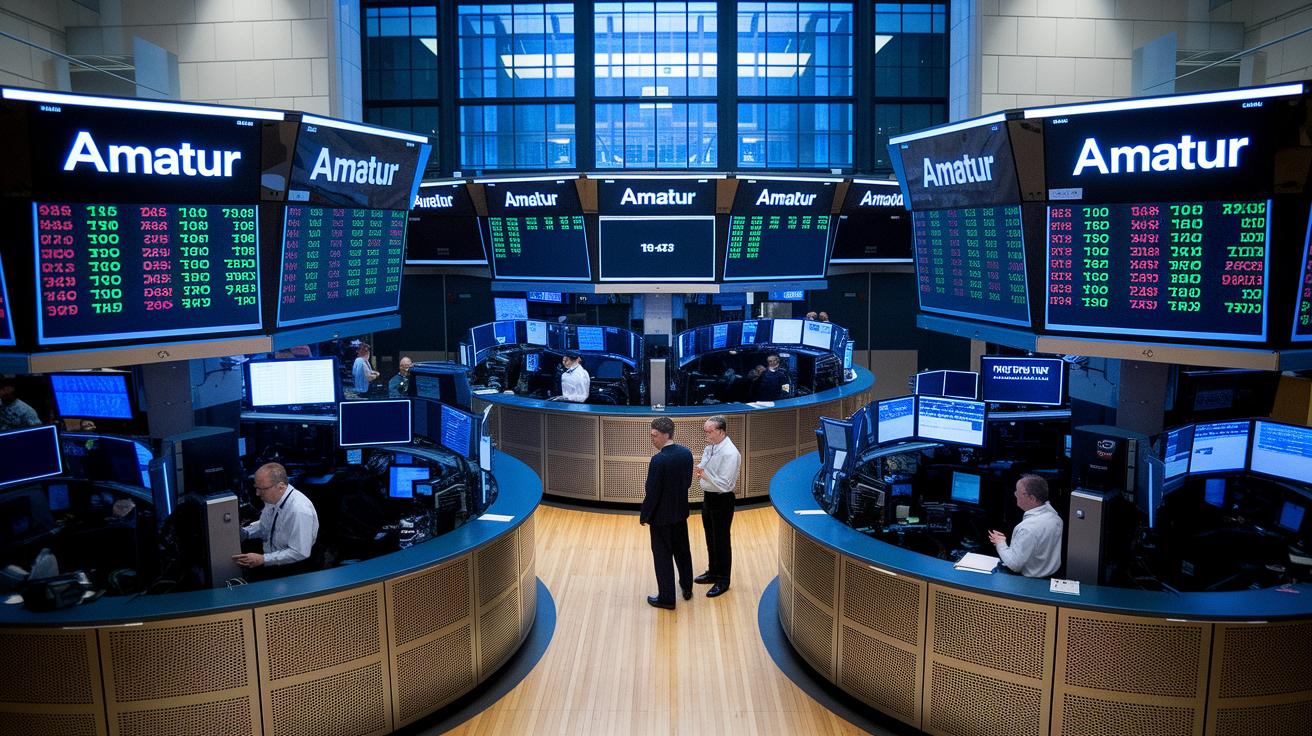
In the primary market, companies get money by selling new stocks or bonds. They do this through processes like IPOs or private placements, and each sale comes with a detailed prospectus and strict paperwork. This setup mostly attracts big investors and institutions looking to add fresh cash to their operations. It’s a clear and structured way for firms to kick off their growth while setting firm rules on pricing and distribution from the start.
| Feature | Primary Market | Secondary Market |
|---|---|---|
| Capital Raising Method | Selling new securities through IPOs and private placements | Trading securities that are already in circulation |
| Investor Base | Mostly big, institutional investors | A mix of both institutional and everyday retail investors |
| Pricing Mechanism | Set by the underwriters and regulations | Determined by supply and demand in the market |
| Regulatory Requirements | Strict disclosures and regulatory filings | Ongoing market transparency and oversight |
On the flip side, the secondary market is a lively space where already-issued securities are bought and sold on exchanges like the NYSE and Nasdaq. This market’s quick movements and real-time pricing help investors respond fast to shifts in the economy and market trends, ensuring that money flows where it’s needed most.
Capital Markets Instruments: Equity, Debt, and Commodity Offerings
Capital markets instruments are the backbone of our financial world. They offer investors many ways to join market growth and manage risks. For example, equity instruments like common and preferred stocks give you a chance to share in a company’s growth and profits. Many people also choose index funds (like in "What is an Index Fund" https://getcenturion.com?p=783) because they mix different stocks for broad market coverage. These tools are popular for those looking for capital gains and long-term growth, while also spreading risk by owning a piece of the company.
Debt products, such as government and corporate bonds, play a key role in financing projects and operations. And then there are commodity contracts, which let investors trade raw materials, a big help for industries managing their costs. Structured products, like mortgage-backed securities, combine different loans into assets you can trade, opening up fresh investment opportunities. On top of that, derivatives like options and futures help hedge against price swings, keeping risk in check. Key instruments traded in the market include:
- stocks
- bonds
- commodities
Each of these tools has its own traits and plays a part in balancing risk and reward. By spreading investments across different assets, investors can enjoy varied cash flow and handle shifting market conditions with more confidence. This wide mix of products keeps fueling a bright financial future by channeling funds into productive areas that drive economic growth, boost innovation, and add stability in our ever-changing market.
Capital Markets Participants: Issuers, Investors, and Intermediaries

Think of the capital markets as a lively marketplace where companies and governments set up shop to raise money. They do this by issuing bonds or stocks to fund projects, expand their operations, or build new infrastructure. Big institutions often step in with major funding, while everyday investors add their own smaller contributions, creating a diverse blend of support for many types of ventures. It’s like watching a bustling fair where every exchange helps boost growth.
Intermediaries, like underwriters, brokers, and exchanges, play the role of friendly guides in this energetic space. They help smooth out the buying and selling process so that money flows efficiently. Investment bankers also pitch in by advising issuers and ensuring everyone follows the rules. Ever noticed how their expertise makes a complex process feel manageable? Cities such as New York, London, Singapore, and Hong Kong are the stages where these activities shine through, backed by solid systems for clearing and settling trades. Trust in these experts gives all market players, from the seasoned pros to individual investors, the confidence to make their moves.
At the end of the day, the collaborative energy of issuers, investors, and intermediaries is what lights up the financial world, driving us toward a bright tomorrow.
Capital Markets Regulation: Frameworks and Compliance Standards
Over in the U.S., the Securities and Exchange Commission makes sure the market stays on track with clear rules about disclosures, detailed prospectus requirements, and anti-fraud measures. And it's not just here, the FCA in the U.K., MAS in Singapore, and SFC in Hong Kong have similar roles in their regions. Think of these guidelines like guardrails that keep trading fair and transparent, shielding investors from deceptive practices.
It might surprise you, but before these standards were in place, market scams were like wild cards that really shook investor trust. With a solid regulatory framework, everyone, from big institutions to individual traders, feels a lot more confident. These rules act like a trusted roadmap, helping companies and financial firms follow clear steps, prevent manipulation, and support secure, efficient trading where all participants feel protected.
Global Capital Markets: Major Centers and International Integration
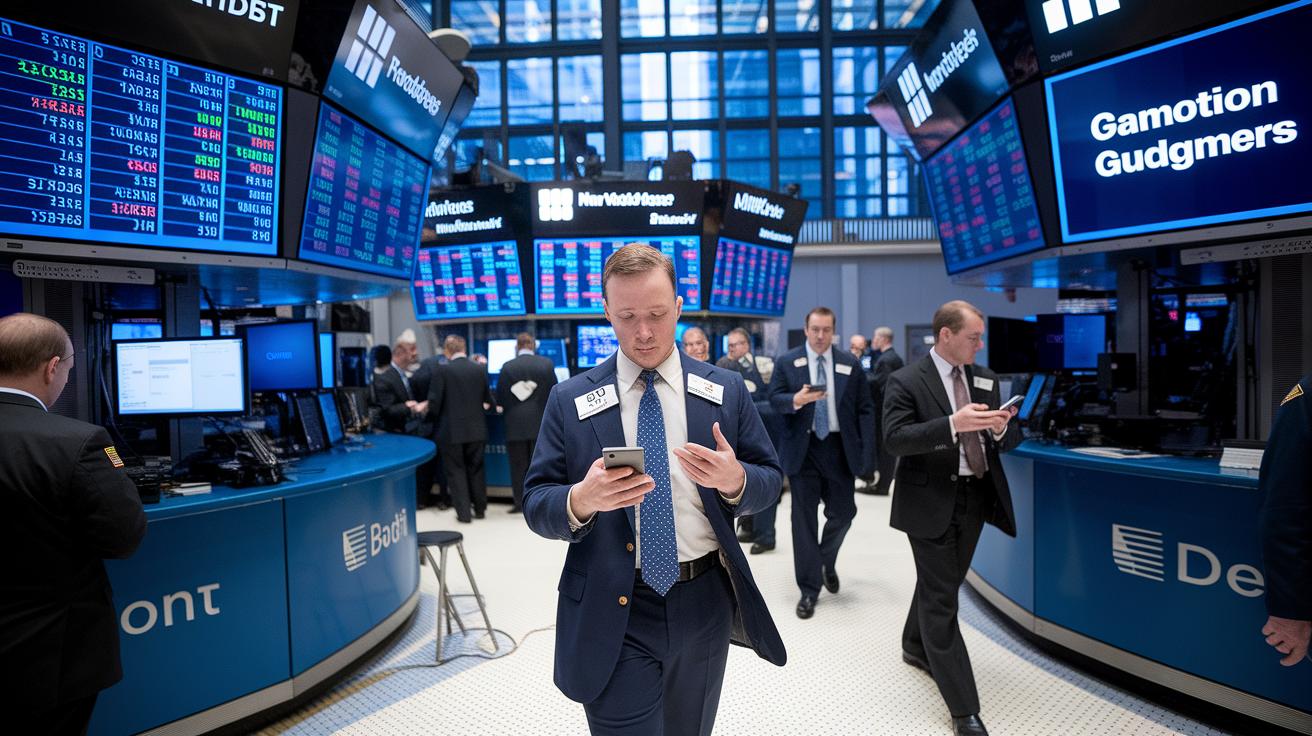
Global capital markets bring together major financial hubs like New York, London, Singapore, and Hong Kong. In these cities, you can see busy trading floors side by side with digital platforms, creating an energy that feels both old-school and modern. Investors from all over the world jump into both face-to-face and online trades, adding to this lively atmosphere.
Modern technology mingles with time-tested trading ways, letting money flow across borders almost effortlessly. This blend of fresh ideas and trusted methods turns these cities into key hotspots for international finance, where funds move smoothly from one market to another. In simple terms, markets act like meeting spots where economic opportunities find the capital needed to kick growth into high gear.
Cross-border capital markets are always evolving. New instruments like ADRs, ETFs, and global index funds make it easier for investors to shift money from one region to another, almost like swapping stories over coffee. With this growing international integration, investments aren’t limited by geography anymore. A small local event can send ripples across the global market.
Every single transaction adds to a dynamic, connected financial world. Here, the strengths of different regions come together to support a broad and resilient market structure, making the entire system robust and flexible.
Capital Markets Trends and Risk Factors: Bond Market Stress and Political Events
Lately, bond markets are feeling the pressure, and investors are noticing it in every ripple across the fixed-income world. Prices can swing like a buzzy traffic light that changes before you know it, and even big plans, like a nearly US$5 billion AI project, can fall apart when a public spat between a U.S. president and a famous billionaire shakes things up. It’s a clear sign that political events can hit deals hard and make everyone wonder if their game plan needs a quick tweak.
Things are moving fast these days, so keeping an eye on risk isn’t just smart, it’s essential. Have you ever seen how one loud announcement can flip market moods almost instantly? Even a short, heated exchange might put major funding on hold, proving that global politics and market moves are closely linked. So, whether you’re an individual investor or part of a big institution, staying alert and managing risks well is the key to riding these ups and downs.
Capital markets Spark a Bright Financial Future

Emerging markets in areas like Asia Pacific, Latin America, and the Middle East are turning heads with their untapped growth. Their booming economies and expanding middle class create a fertile ground for high returns. Sure, these markets sometimes face bumps like lower liquidity and shifting rules, but imagine planting seeds in rich yet unpredictable soil, if you care for them right, the rewards can be huge.
Economic reforms and rising investor interest are powering these regions even as they work to catch up in size with established markets. It’s a bit like watching a sprout push through the soil; the growth is promising, even if the terrain can be tricky.
Meanwhile, developed markets in Western Europe and North America offer a smoother ride. With deep liquidity, stable returns, and set regulations, investing there feels like cruising down a well-lit highway. Long-standing institutions and clear rules make these markets a safe bet when you want reliability and predictability.
Both market types offer something special. Emerging regions tease with fast-paced growth, while developed ones provide the steady stability you need. Together, they build a balanced financial future by blending the thrill of rapid gains with the comfort of time-tested strength.
Final Words
In the action, we explored how capital markets work, from basics to the nuances of primary versus secondary trading. We tracked the steps from raising funds to risk management, each piece adding a layer to our understanding.
We also considered how market centers, regulation, and emerging trends shape investment strategies. Overall, these insights empower smarter decisions in capital markets, leaving us optimistic about tapping potential in every twist and turn.
FAQ
What do you mean by capital markets and can you provide examples?
The term capital markets refers to financial exchanges where companies and governments raise funds by selling long-term assets, like stocks and bonds, which help drive growth and innovation.
What are capital market instruments?
The capital market instruments include stocks, bonds, and commodities that serve as tools for investing and managing risk while providing companies with the funds they need.
What are the main types of capital markets?
The main types of capital markets include the primary market where new securities are issued, the secondary market for trading existing securities, and specialized markets that handle derivatives and structured products.
What is the difference between financial markets and capital markets?
The difference lies in scope: financial markets cover all trading of financial assets, while capital markets specifically focus on long-term securities like stocks and bonds that fund growth over time.
How do capital markets differ from investment banking?
The role of capital markets is to provide a venue for issuing and trading securities, while investment banking focuses on advising companies on raising funds and managing complex financial transactions.
What career opportunities and sectors exist within capital markets, including real estate?
The opportunities in capital markets span roles in trading, underwriting, and advisory services; sectors include traditional finance and real estate, where funds are raised for property investments and development.


