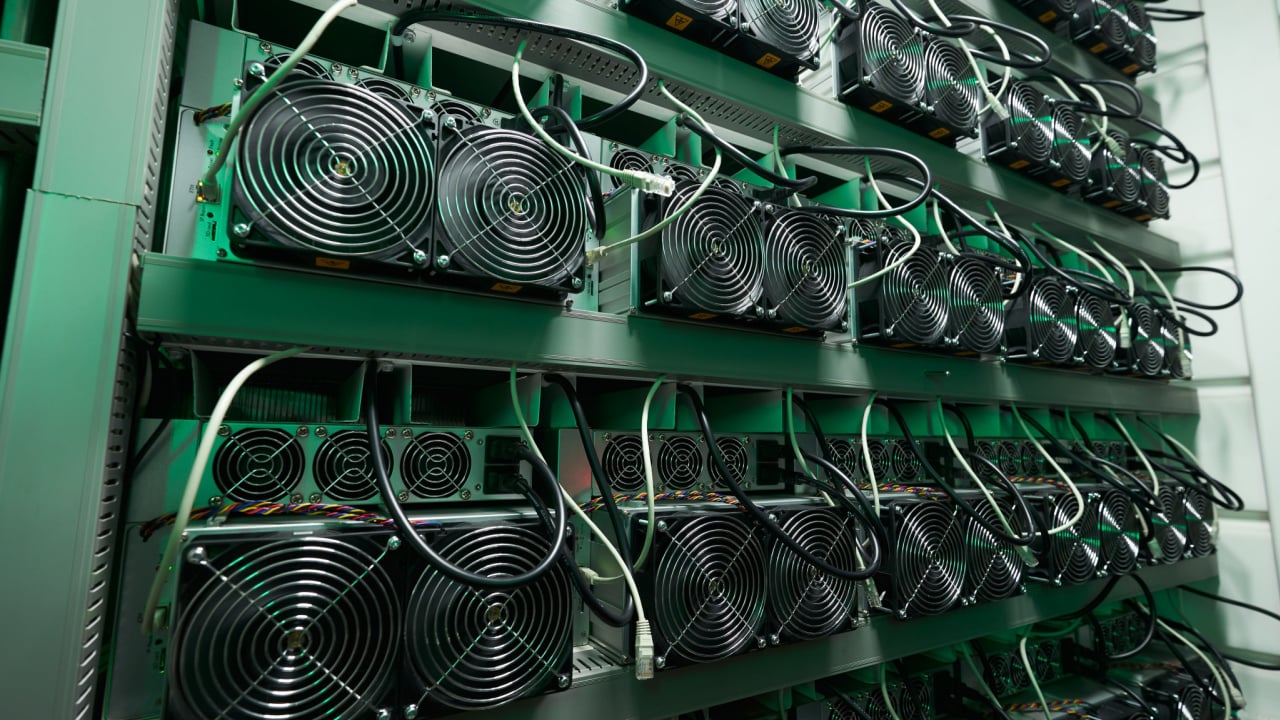
According to a media report, the crypto mining data centre in South Australia will rely primarily on solar-generated electricity. This is a region well-known for its high energy consumption in steel and iron ore mining.
Bitcoin Farm to Mine Cryptocurrency for Solar and Excess Energy In South Australia
The ‘Steel City’ of Whyalla in South Australia has become home to a new crypto mining installation that will run on electricity generated from solar power. Lumos Digital Mining will operate the facility of 5 megawatts. It is responsible for minting Bitcoin, an energy-intensive process that has often been criticized.
ABC, an Australian national television station notes that extraction of the largest cryptocurrency according to market capitalization requires more power at a moment when the world wants to cut down on energy use. It’s echoing criticism often highlighted by mass media around the world.
Local officials see the project for solar-based cryptocurrency mining as an example of how bitcoin can be made more sustainable. Nick Champion from South Australia, State Minister of Trade and Investment made the following comments about the venture:
This is vital for decarbonizing the blockchain industry, which is very energy-intensive. I think it’s the beginning of a new economy out here at Whyalla.
A government official hopes that other data centers will be able to mine cryptocurrency with renewable energy. “There will be demand for blockchain, but also carbon-neutral blockchain so I think we will see more and more facilities like this,” he expects.
This statement was made after the White House Office of Science and Technology Policy recently estimated that global greenhouse gas emissions from cryptocurrency production only comprise 0.3% of total US GDP.
The new crypto farm, according to Lumos Digital Mining representatives, could produce approximately 100 BTC each year depending on available power. Angelo Kondylas indicated that company could sell solar power to others or increase its crypto output in order to make use of surplus energy when there is not enough electricity.
Kondylas mentioned that power generators could suffer significant losses when they shut down during times of low demand. “We are basically like a sponge. We soak up the excess that’s not used,” he explained. He plans to double the facility’s size.
Bitcoin mining on renewable and surplus energy has been gaining traction around the world, with growing investor interest in solar-based coin minting projects in the U.S. and increasing capacity of cryptocurrency farms running on associated petroleum gas (APG) at Russia’s oil fields.
Are you expecting to see cryptocurrency farms that are powered by renewable energies? Please comment below to share your views.

Image creditShutterstock. Pixabay. Wiki Commons
DisclaimerThis information is provided for educational purposes only. It does not constitute an offer, solicitation, or recommendation of any company, products or services. Bitcoin.com is not a provider of investment, tax, legal or accounting advice. This article does not contain any information, products, or advice that can be used to cause or alleged result in any kind of damage.


