
Sponsored
A few months back, an Ethereum enthusiast reached out to KeychainX with a very unique story.
He was a part of the Ethereum pre-sale in 2014 and amassed a fantastic 1000ETH today worth about 4 million USD for a mere 300USD – an astonishing 13000x increase in value.
Alex asked the KeychainX team whether they dealt with wallets that had been damaged. This started the story. Alex thought the wallet might be corrupt or had an error in encryption. He also saved his password in Splash ID. To join the Ethereum token sale, he used Splash ID to save the password and copied it into the presale webpage.
Alex was concerned that there could be language decryption or hiccups when using several systems, such as iPad, mac, and phone.
The password required a lot of deception as it contained a large number of special characters or non ASCII characters. For shorter passwords, it is possible to insert a random character in an arbitrary place. It was almost impossible to do this for a password of nearly 100 characters.
But Alex was pretty sure of the password, so KeychainX “just” had to look up what was wrong. It was also sexual, and KeychainX was able to create the many password variations using explicit sexual language.
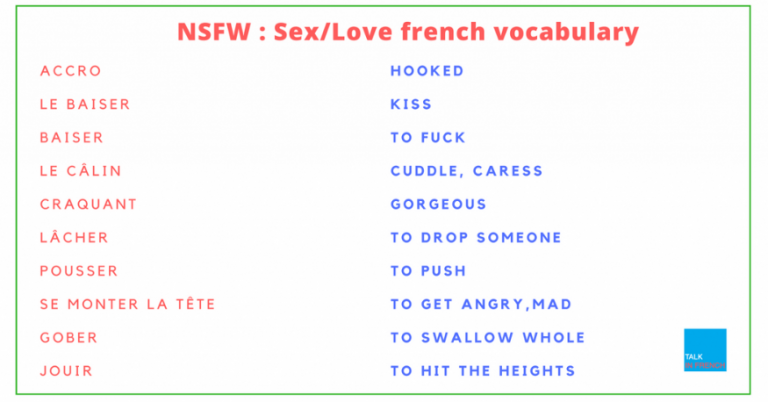 Although the words did not use S/M code words like one of KeychainX’s Hong Kong clients, they contained the words p*ssy and c*ck. The team didn’t realize how far the problem was from them.
The KeychainX team was stubborn and started adding random characters to positions they suspected had potential problems. Sometimes, for example, characters that were not in English would be translated into double characters by the KeychainX team, which would eventually increase the search space dramatically. It did not produce any results.
They went back to the Splash ID source code, and attempted to reverse-engineer it in order to reproduce the problem. Splash ID had many versions and the page didn’t offer open source. No luck.
A few weeks later, KeychainX received a request from a Russian client for a new wallet that used Cyrillic characters. Most of KeychainX’s custom-written tools were written for English or Latin passwords, so the team had to look into an old tool’s source code and look how to translate those to fit into the system.
It gave an idea for Alex’s wallet.
Imagine if his tools and unique characters, which he used to secure his wallet with, could be translated by the encryption software into Cyrillic characters.
Back to the Presale wallet: The team tackled those positions with the exact same strategy as Cyrillic. Boom! Boom!
In general, wallet software could not import the wallet or display the private keys. The password would not be accepted because the special characters fell outside of the code’s boundaries. The team was forced to decrypt the wallet manually to export the private keys using the foreign characters set.
KeychainX attempted to contact Alex several times after moving the funds. But it just kept going to Alex’s answering machine. After moving the funds, KeychainX tried to call Alex several times but it kept going to his answering machine.
It took almost three days before he got back to KeychainX, which was a little nerve-wracking sitting on someone’s 4 million USD without knowing where the person was. Also, the Ethereum price fluctuated quite a bit. The value changed hundreds of thousands each day in both directions.
The team then transferred Alex’s share of the money, wished Alex good fortune and stayed safe and never heard back from Alex again. KeychainX wishes Alex fun with his new, long-lost fortune.
Disclaimer! Robert Rhodin (CEO of KeychainX Crypto Recovery Service) wrote this article. To read more about our company, please visit https://keychainx.io or email the team at keychainx@protonmail.com if you need to talk about password recovery.
This post is sponsored. Find out how you can reach our audience. Read disclaimer below.

Image creditShutterstock. Pixabay. Wiki Commons
DisclaimerThis information is provided for educational purposes only. It does not constitute an offer, solicitation, or recommendation of any company, products or services. Bitcoin.com doesn’t offer investment, tax or legal advice. The author and the company are not responsible for any loss or damage caused by the content or use of any goods, services, or information mentioned in the article.


