SPAC crypto-mergers are on the rise. Companies like Core Scientific Inc. Bakkt, Cipher Mining and others have been a notable example. SAI.TECH (“SAI” or “the Company”) got on the wave of SPAC listings right before SPAC mergers got more difficult. Having gotten officially listed on Nasdaq on May 2nd, SAI is the first “chip heating” concept stock on the exchange, with its CEO & founder Arthur Lee also becoming the youngest Chinese CEO ever listed.
Bitcoin has been one of most sought-after emerging assets over the past few years. But, there are concerns regarding its sustainability due to the growing need for an energy-intensive computing infrastructure. By promoting ESG standard technologies and solutions, SAI, as a global energy-saving bitcoin mining operator and a clean-tech company, is trying to prove to the market that the feasibility and the company’s business model might leads bitcoin mining to a more sustainable future. We sat down with Arthur to talk about the company’s innovative technology.
Q1: First of all, congratulations to SAI on being listed on Nasdaq. Could you briefly introduce SAI to our readers? What’s the inspiration for your innovation?
My inspiration is based on what I see as the two major trends of the early 21st century – sustainable development and decentralized digital network. Sustainable development has been a global goal over the last 20 years. Decentralized cryptocurrency, such as Bitcoin, has seen a surge, heralding the dawn of web 3.0. While the high price of Bitcoin has proven its importance, it has also been criticised for its unsustainable energy use and high utility. It is now a difficult problem to find a solution for the high energy consumption and stable operation of Bitcoin’s network.
SAI was a Bitcoin mining operation and saw the problem in 2019. Since then, SAI has actively sought partnerships with large mining pool operators. We introduced SAIHUB to the market with the help of ViaBTC (a leading crypto mining pool), a cost-efficient way to lower the costs associated with the mining process. SAIHUB 3.0 has been released after three years of work. SAIHUB 3.0, an integrated and decentralized solution that horizontally integrates the power, computing and heating industries in order to create a better and more sustainable infrastructure for Bitcoin mining.
Q2: What can be done to make the Bitcoin mining infrastructure more sustainable? Is SAIHUB a factor?
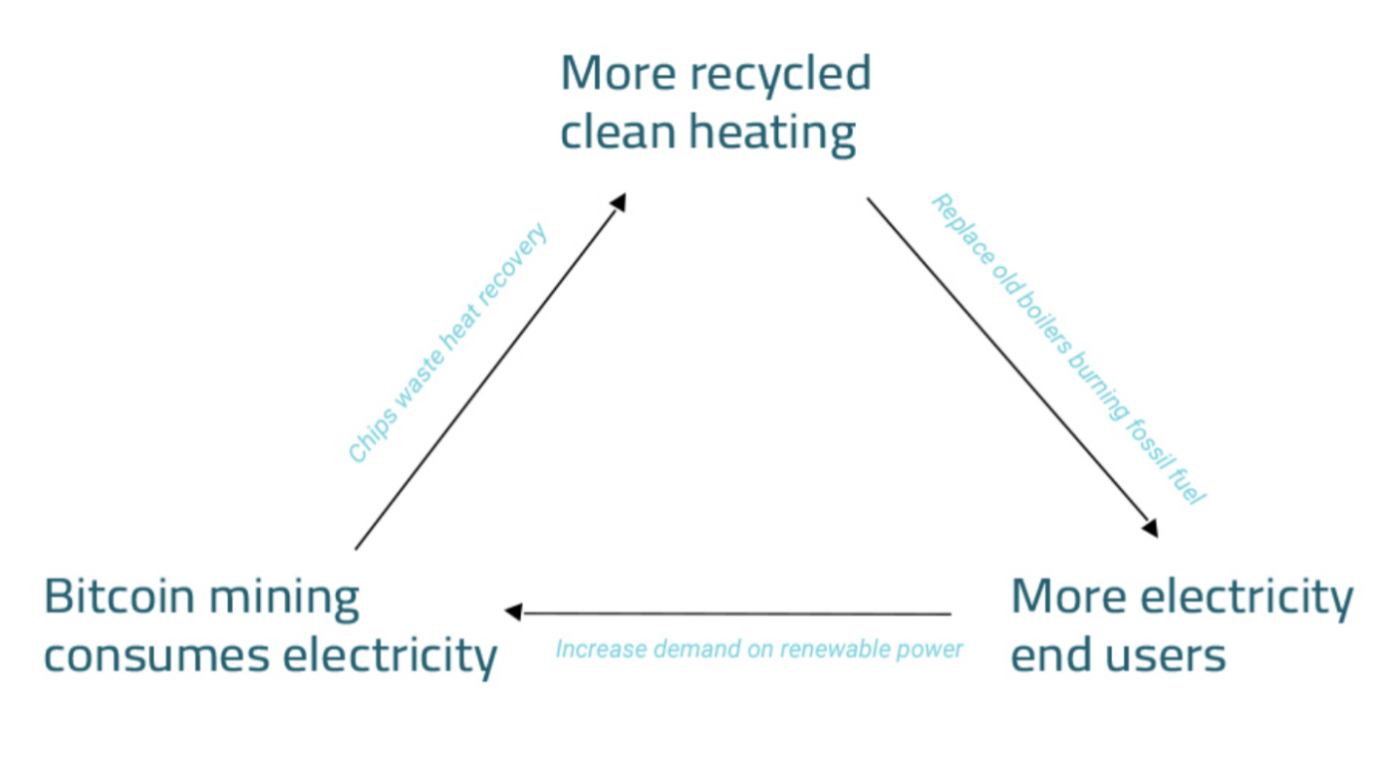
Calculations show that approximately 99% of electricity used by Bitcoin miners is converted to heat energy. This part of the heat energy has been neglected for a long time, so it is referred to as “waste heat.” Instead of using an extra huge amount of electricity to cool data centers, our SAIHUB solution is capturing that waste heat and using it to defray energy use elsewhere.
With the help of SAI’s patented waste heat utilization technology, 90% of the heat generated by the mining process can be recovered and reused into heating sources for various residential, commercial, industrial, and agricultural application scenarios.
Since then, Bitcoin mining’s use of renewable energy has declined significantly. This is due to a variety of factors that have made natural gas and coal more attractive sources of power. This change has made SAI’s mission even more vital.
Q3: Are you able to introduce more SAIHUB solutions? What’s the history behind this solution?
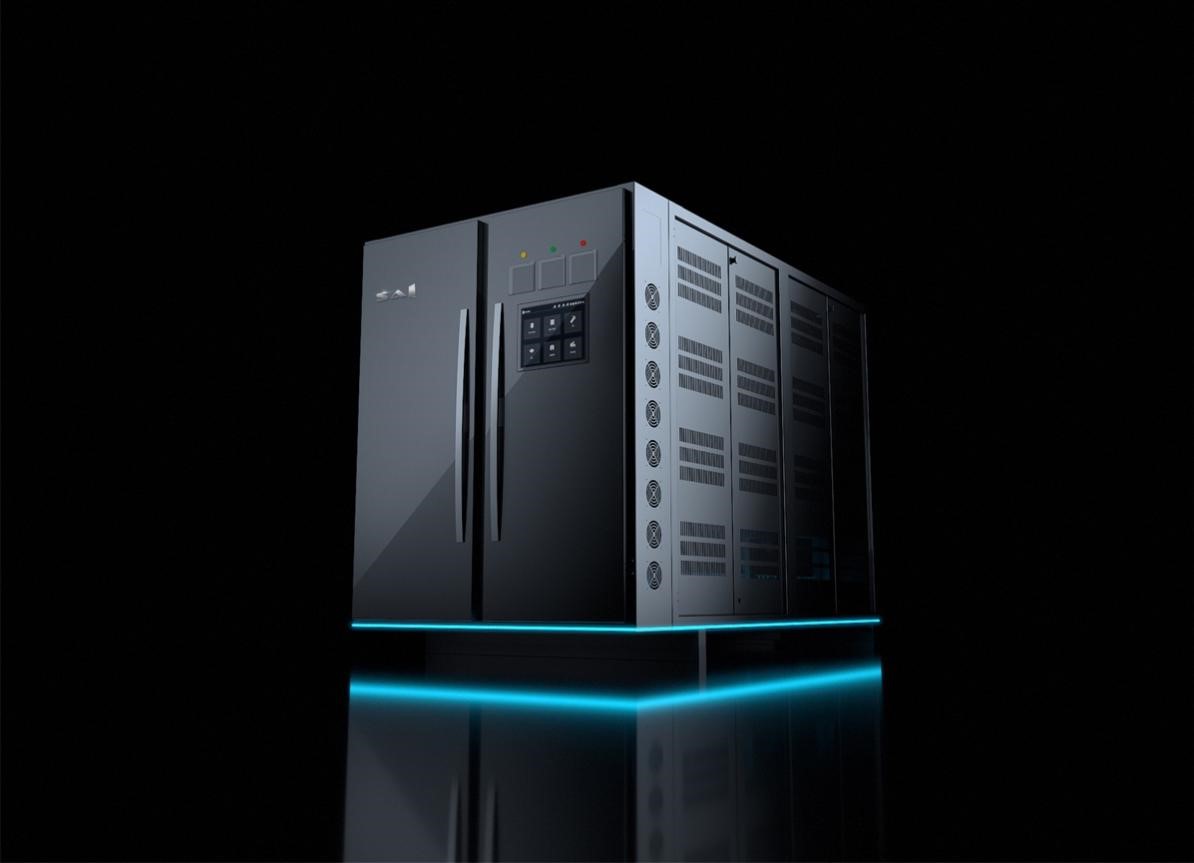
There have been three phases in the development of SAIHUB. SAIHUB was using 16nm chips at the stage 1.0 (2019-2020). With hash rates in the 350T range, it produced 50kw of power. It was possible to use waste heat as a heating source for single-house homes. The SAIHUB 2.0, 2020 – 2021, was a step forward, adopting 7- 8nm chips, with the power for a single SAIHUB being around 250kw and hash rates leaping to 5P. This was enough heat to be used to heat small communities or agricultural greenhouses.
SAI will enter the SAIHUB3.0 stage in 2022. SAIHUB 3.00 lowers the overall cost of mining, which includes heating, electricity, and chip. Our three pilot projects have resulted in the establishment of three clean computing data centres, which covered more than 30,000.m2 of greenhouses, commercial buildings and heating shops.
We are ready to share our liquid cooling technology and our waste heat recovery technology at this point. This will allow us to expand the SAIHUB model and increase the efficiency of our industry with ViaBTC Pool and help promote the smooth transition to the computer industry.
Q4: The partnership with ViaBTC Pool was just mentioned. Please describe this partner more.
ViaBTC is SAIHUB’s strategic partner. ViaBTC was founded in 2016 as an all-encompassing cryptocurrency mining pool and is widely recognized for BTC mining.
The international demand for carbon neutrality grows stronger as global warming increases. Mining PoW-based cryptos such as Bitcoin requires a lot of fossil energy. ViaBTC agrees with our conviction that it is important to promote the development of new energy technologies in order to increase the use of crypto mining energy and decrease its impact on the environment.
Also, ViaBTC has been a partner in our deep and ongoing exchanges regarding SaaS solutions. Future plans include forming partnerships with additional companies working in BTC mining who share our views. We will work together to expand blockchain and speed up the development of Bitcoin.
Q5: SAI made a significant step in the technology market recently by being listed on Nasdaq. What gives SAI an edge in the highly competitive Bitcoin mining market?
Bitcoin is often associated with unsustainable infrastructure and high energy costs. The large amounts of heat generated have always been cause for concern. But few people think of this resource being an asset. That is why SAI stands out. The company boasts a highly qualified team, with extensive field experience.
Although electric heating has a higher cost than traditional fossil energy heating currently, the prices will drop as more carbon taxes and policies are implemented. The cost of heating with natural gas will rise by about 65% compared to electric heating in 2050. This means that heating will become primarily electric. SAIHUB’s long-term advantages over heating systems based on fossil fuels are evident in this instance.
Let’s review the carbon neutrality roadmap committed by the world’s major countries. The deadline has been set by most developed countries including Japan and the United States. The European energy market has been impacted by the Russian-Ukrainian tensions. Along with the dramatic price increases of over 200% in natural gas, the United Kingdom needs to consider using coal as a replacement for its natural gas-powered power plants. Current forecasts suggest that to attain carbon neutrality, the contribution of clean energy may require significant reductions in consumption. Accordingly to these projections, this means that over the next 28 years energy efficiency plans, such as SAIHUB, will have more responsibility. It is both a challenging task and a rare opportunity.


